


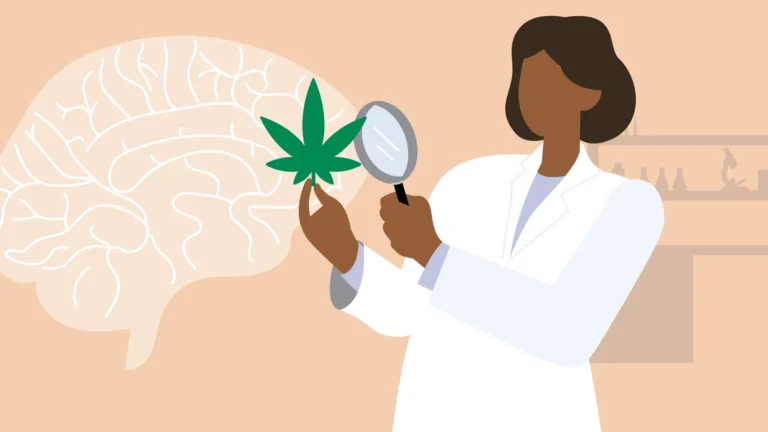
A lot of people reach for cannabis at night hoping it will help them wind down. Some swear by it. Others lie awake for hours, heart racing, wondering what went wrong. The reality is that cannabis and sleep have a genuinely complicated relationship, and the type of cannabis you use matters far more than most casual users realize.
This article breaks down how cannabis interacts with your sleep biology, what the research actually says about THC and CBD, why strain choice is not as simple as indica versus sativa, and how mental health fits into the equation. Whether you are a curious newcomer or someone who has been using cannabis for years without great results, there is useful information here.
How Cannabis Interacts With the Sleeping Brain
Sleep is not a single state. It cycles through distinct phases roughly every 90 minutes, including light sleep, deep slow-wave sleep, and REM sleep. REM is the stage most associated with dreaming, emotional processing, and memory consolidation. Each of these stages serves a specific biological purpose, and disrupting any one of them can leave you feeling worse than if you had simply slept less.
THC, the primary psychoactive compound in cannabis, acts on the endocannabinoid system by binding to CB1 receptors concentrated in the brain. In the short term, THC tends to reduce the time it takes to fall asleep and increases the proportion of slow-wave sleep. That sounds like good news. The catch is that it simultaneously suppresses REM sleep, sometimes dramatically. A study published in the journal Sleep Medicine Reviews found that cannabinoids reduce REM sleep duration, which may explain why regular cannabis users often report vivid, intense dreams when they stop using, a phenomenon called REM rebound.
CBD, by contrast, interacts with the endocannabinoid system in a more indirect way and does not appear to suppress REM sleep to the same degree. Early research suggests CBD may help with sleep primarily by reducing anxiety rather than directly inducing sedation. That distinction is worth keeping in mind.
Indica, Sativa, and the Limits of Those Labels
Walk into almost any dispensary and you will encounter the familiar divide: indica for relaxation and sleep, sativa for energy and focus. This framework is everywhere, and it shapes most people’s purchasing decisions. The problem is that modern cannabis science does not fully support it.
Botanically, indica and sativa refer to the physical structure of the plant. Indica plants are shorter and bushier; sativa plants are taller with narrower leaves. But the chemical profile of a cannabis product, meaning its specific combination of THC, CBD, terpenes, and other cannabinoids, determines how it actually affects you. Two products both labeled indica can have wildly different cannabinoid and terpene profiles, and therefore wildly different effects.
Many consumers assume sativa strains will always be stimulating and disruptive to sleep. That assumption is understandable given how the labels are marketed, but it is worth examining more carefully. The question of whether does sativa make you sleepy is one that researchers and cannabis educators get asked constantly, and the honest answer depends heavily on the specific terpene and cannabinoid profile of that particular product, not just the plant classification.
Terpenes like myrcene, which is often associated with sedating effects, can appear in plants labeled as either indica or sativa. Linalool, a terpene also found in lavender, has calming properties and similarly crosses the indica/sativa divide. What this means practically is that reading a label that says sativa tells you less about sleep effects than reading the actual terpene and THC content.
Key Terpenes and Their General Effects on Alertness
| Terpene | Common Plant Sources | General Effect on Alertness | Often Found In |
| Myrcene | Mango, hops, thyme | Sedating, relaxing | Many indica-labeled strains |
| Limonene | Citrus peel | Uplifting, mood-elevating | Many sativa-labeled strains |
| Linalool | Lavender, coriander | Calming, anxiolytic | Both indica and sativa strains |
| Pinene | Pine needles, rosemary | Alerting, may counteract THC sedation | Sativa-labeled and some hybrid strains |
| Caryophyllene | Black pepper, cloves | Stress-reducing, anti-anxiety | Wide variety of strains |
Dosage and Timing Change Everything
Even if you choose a product with a theoretically sleep-friendly profile, how much you take and when you take it can completely alter the outcome. Low doses of THC tend to produce relaxation. Higher doses are more likely to produce anxiety, racing thoughts, or an elevated heart rate, none of which help you sleep. This dose-dependent relationship is one reason people who try cannabis for sleep often have inconsistent results.
Timing matters too. THC peaks in the bloodstream relatively quickly when inhaled, within minutes, but metabolizes at different rates depending on body composition, tolerance, and method of consumption. Edibles, for example, are processed through the digestive system and can take one to three hours to produce effects. Taking an edible too close to bedtime can mean peak THC levels arrive at 2 or 3 in the morning rather than helping you fall asleep at 10 PM.
- Low doses of THC (around 2.5 to 5 mg) are generally associated with relaxation rather than stimulation.
- Higher doses above 15 to 20 mg increase the likelihood of anxiety and disrupted sleep architecture.
- Inhaled cannabis typically peaks within 30 minutes and subsides within 2 to 3 hours.
- Edibles can take 1 to 3 hours to take effect and may last 4 to 8 hours, creating the risk of mid-sleep disruption.
- Regular use leads to tolerance, which can reduce the sleep-promoting effects over time and require higher doses to achieve the same result.
Cannabis, Anxiety, and the Mental Health Connection
For many people, sleep problems are not primarily about sleep at all. Anxiety, depression, PTSD, and other mental health conditions are among the most common causes of chronic insomnia and poor sleep quality. This is where the cannabis conversation becomes especially nuanced.
Some people with anxiety find that cannabis quiets their racing thoughts at night and makes falling asleep easier. This is a real and valid experience. At the same time, research consistently shows that high-potency THC can worsen anxiety in people who are prone to it, particularly at higher doses. The relationship is not linear. Cannabis can reduce anxiety at one dose and amplify it at another, and individual variability means two people with similar anxiety profiles can have opposite responses to the same product.
PTSD is a notable case. Some clinical evidence suggests THC may reduce nightmares in PTSD patients, potentially because of its REM-suppressing effects. A small but significant number of clinical trials have examined synthetic cannabinoids like nabilone for nightmare reduction in PTSD, with some positive findings. However, the long-term implications of ongoing REM suppression on emotional processing and mental health are not yet fully understood.
People using cannabis to manage mental health symptoms should ideally do so in conversation with a healthcare provider rather than as a substitute for evidence-based treatment. Cannabis may complement certain approaches, but it rarely addresses the underlying conditions driving sleep problems on its own.
What Chronic Use Does to Sleep Over Time
Short-term cannabis use and long-term chronic use have different effects on sleep, and that distinction often gets lost in general discussions. Over time, regular cannabis use tends to produce tolerance to its sleep-inducing effects. Users often find they need progressively more to achieve the same outcome, and sleep quality may actually decline with extended heavy use.
When chronic users stop using cannabis, a period of sleep disruption is common. This is the REM rebound effect mentioned earlier. Vivid dreaming, difficulty falling asleep, and increased wakefulness at night can persist for days or even weeks after stopping. This withdrawal-related insomnia is one reason some people find it hard to quit even when they want to, creating a cycle that is genuinely difficult to break without support.
A 2014 analysis published in the Journal of Addictive Diseases found that sleep disturbance was among the most commonly reported withdrawal symptoms in cannabis-dependent individuals, alongside irritability and anxiety. This does not mean cannabis is inherently harmful for everyone who uses it, but it does mean the long-term sleep picture is more complicated than the short-term one.
Practical Considerations for Better Sleep
If you are trying to improve your sleep, cannabis or not, a few principles hold up consistently across the research. Good sleep hygiene forms the foundation. Consistent sleep and wake times, a cool dark room, reduced screen exposure in the hour before bed, and limited caffeine after midday are all low-risk, evidence-backed strategies.
If you do choose to use cannabis as part of your wind-down routine, starting with a low dose is genuinely the most sensible approach. Paying attention to the terpene profile rather than just the indica or sativa label gives you more useful information. Keeping a simple sleep journal for a few weeks can help you track what actually correlates with better rest for your specific biology, because individual response variation is real and significant.
For people experiencing chronic insomnia rooted in anxiety, depression, or trauma, addressing those underlying conditions tends to produce more lasting improvement than any sleep aid. Cognitive behavioral therapy for insomnia, known as CBT-I, has strong evidence behind it and is now considered the first-line treatment for chronic insomnia by most sleep medicine professionals. It works by addressing the thought patterns and behaviors that perpetuate sleeplessness, rather than masking symptoms.
Sleep is one of the most influential factors in mental and physical health. How you approach it, including the tools you choose and the underlying causes you address, deserves the same careful thinking you would give any other health decision. Cannabis has real effects on sleep biology, and understanding those effects honestly puts you in a much better position to make choices that actually serve you.
