


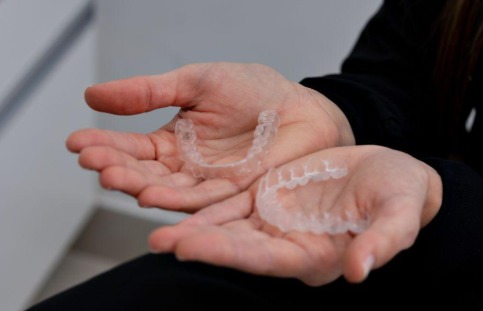
If you live in East County, CA, you’ve probably noticed how common clear aligners have become. From students in El Cajon to working adults around La Mesa and Santee, plenty of people want straighter teeth without the look of traditional braces. Still, aligners aren’t a casual purchase. You’re dealing with your bite, your budget, and months of follow-through, so it helps to know what you’re getting into before you say yes.
How clear aligners actually work
Clear aligners are custom-made plastic trays designed to move your teeth little by little. You wear each set for a set period, usually one to two weeks, before switching to the next one. Each tray applies controlled pressure to specific teeth, which gradually shifts them into better alignment.
They’re popular because they’re removable and much less noticeable than metal braces. That part is obvious. What’s less obvious is the discipline involved. You usually need to wear them 20 to 22 hours a day. If you keep taking them out for snacks, coffee, or random excuses, progress can stall fast.
They can help with crowding, spacing, and some bite issues. They are not magic plastic. Some cases are simple, while others need more advanced orthodontic planning.
Who tends to be a good candidate
You may be a strong candidate for clear aligners if your orthodontic issues are mild to moderate and your teeth and gums are generally healthy. Common examples include small gaps, mild crowding, and minor overbites or underbites. Teenagers and adults often do well with aligners when they’re consistent.
That last part matters more than people expect. Since aligners are removable, your results depend heavily on your habits. If you know you lose things easily, forget routines, or hate structured wear schedules, aligners may test your patience.
A proper evaluation matters because not every smile is a match. More complex tooth movement, jaw alignment issues, or cases that need close mechanical control may call for braces or a hybrid treatment plan instead. The tray is only part of the story. The treatment strategy does the heavy lifting.
What your consultation should cover
A consultation should go beyond a quick look and a sales pitch. You want digital scans or impressions, photos, and a clear explanation of what’s happening with your teeth and bite. A good provider will walk you through your current alignment, what can realistically improve, and how long treatment may take.
If you’re comparing options, meeting with a clear aligner orthodontist in East County, CA can give you a more precise understanding of whether aligners fit your case. Orthodontic treatment planning involves tooth movement, root positioning, and bite function, not just cosmetic straightening.
Ask practical questions. Will attachments be needed? How often are check-ins scheduled? What happens if a tray doesn’t fit? If the conversation feels vague, that’s useful information too. You’re not shopping for headphones. Precision matters here.
The daily realities people don’t always expect
The first few days with a new tray can feel tight. That’s normal. Some people also get a slight lisp at the start, though it usually fades as your mouth adjusts. Taking aligners in and out becomes easier with practice, but don’t expect it to feel elegant on day one.
Food rules are simple but annoying in a very realistic way: remove the aligners before eating or drinking anything besides water. Coffee lovers usually meet their first real challenge here. Sip with trays in, and you risk staining, warping, or trapping sugar against your teeth. Not exactly a power move.
You’ll also need to brush more often. After meals, before reinserting trays, every time. Skip that routine and you may end up marinating your teeth in plaque. Clear aligners can look sleek, but they reward people who can keep up with the maintenance.
Cost, timelines, and what affects both
Clear aligner treatment cost varies based on case complexity, treatment length, provider experience, and whether refinements are needed later. Some patients only need several months. Others need a year or more, especially if bite correction is involved. Simple cases often move faster, but no ethical provider should promise speed like it’s a flash sale.
Insurance may cover part of treatment if your dental plan includes orthodontic benefits. Many offices also offer payment plans, which can make treatment more manageable month to month. Ask for a full breakdown of costs, including retainers, follow-up visits, and possible replacement trays.
Timeline estimates should include your role in the process. Wearing trays inconsistently can delay everything. One missed day here and there might sound harmless, but teeth are surprisingly stubborn. They don’t respond well to part-time leadership.
Why professional oversight matters more than people think
Straight-looking teeth and a healthy bite are not always the same thing. That gap matters. Professional oversight helps track whether teeth are moving the way they should, whether roots are staying stable, and whether your bite is improving instead of drifting into a new problem.
This is where orthodontic expertise earns its keep. A treatment plan may involve attachments, interproximal reduction, elastics, or refinements based on how your teeth respond. Those details can shape the outcome in a major way, even if they sound technical during the consult.
Without proper monitoring, issues like poor tray fit, stalled movement, gum irritation, or bite imbalance may go unnoticed for too long. You want someone evaluating progress, not just handing you trays and hoping your smile figures it out. Teeth are cooperative, but they’re not freelancers.
How to choose the right provider for you
Start with credentials and experience. An orthodontist focuses specifically on tooth and jaw alignment, which can be especially important if your case includes bite concerns. Look for a provider who explains treatment clearly, uses modern imaging, and gives you realistic expectations rather than polished promises.
It also helps to think local and practical. If you’re in East County, consider commute times, scheduling flexibility, and how easy it is to get help if something feels off. A provider nearby can make regular check-ins far less disruptive, especially if you’re balancing school, work, or sports.
Pay attention to how the office communicates. Are they thorough? Do they answer questions directly? Do they explain trade-offs? Good care often looks pretty ordinary from the outside: clear planning, consistent follow-up, and no weird pressure. That’s usually a solid sign.
What happens after treatment ends
Finishing aligner treatment doesn’t mean your teeth are done moving forever. Teeth naturally shift over time, which is why retainers are part of the long game. If you skip them, your teeth may start inching back toward old positions, and that can happen faster than people expect.
Your provider will usually recommend a retainer schedule based on your case. Some people wear them full-time at first and later switch to nighttime use. The key is consistency. You already did the hard part. Letting results drift because a retainer feels inconvenient is a frustrating plot twist.
A smart finish also includes routine dental cleanings and keeping an eye on your bite. If something feels different, don’t ignore it. The best smile upgrades are the ones that still hold up years later, not just the ones that look good in the final before-and-after photo.
