


Key Highlights
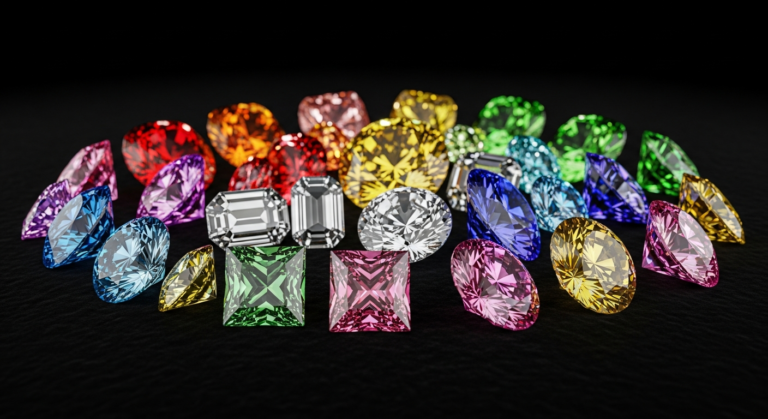
- Coloured diamonds get their spectacular hues from trace elements and structural anomalies during their formation.
- The rarity of these natural diamonds, such as pink diamonds and blue diamonds, significantly drives up their value.
- Unlike white diamonds graded on a D-Z scale, coloured diamonds are valued for their color intensity.
- Nitrogen creates yellow diamonds, boron forms blue diamonds, and crystal distortion results in pink and red diamonds.
- Natural radiation exposure is responsible for creating incredibly rare green diamonds.
- The market for rare coloured diamonds continues to grow, making them a significant investment.
Introduction
Have you ever wondered what gives coloured diamonds their breathtaking beauty and incredible value? While classic white diamonds are timeless, their colourful counterparts are exceptionally rare and captivating. These natural diamonds come in a stunning array of hues, from soft pinks to deep blues, each with a unique story forged deep within the Earth. This guide will explore the fascinating world of fancy coloured diamonds, explaining what makes each one a rare treasure and a worthwhile consideration for any jewelry enthusiast or investor.
Understanding Coloured Diamonds
Coloured diamonds, or “fancy colored diamonds,” are natural gems with hues beyond the standard D-to-Z scale for white diamonds. Their rarity stems from unique formation conditions involving trace chemical impurities or structural irregularities that create their vibrant colors.
The value of colored diamonds depends on color intensity, graded as Fancy Light, Fancy Intense, and Fancy Vivid—the latter being the most saturated and valuable. The rarest colors include red, blue, pink, and green, each prized for its unique composition and high market value.
Formation of Coloured Diamonds
The journey of a colored diamond begins deep within the Earth’s mantle. Like all natural diamonds, they form from pure carbon exposed to intense heat and pressure over billions of years, creating the hardest natural substance on Earth.
What makes colored diamonds unique is trace elements or structural distortions introduced during formation. These changes affect how the diamond absorbs and reflects light, producing its remarkable colors.
Next, we’ll explore the natural processes behind these vibrant hues.
Natural Formation Processes
A diamond’s color is determined by chemical impurities or structural changes during formation. Nitrogen creates yellow and orange hues, while boron produces rare blue diamonds. Some colors result from physical changes, not impurities—pink and red diamonds form when intense pressure distorts the crystal structure, altering light absorption. Green diamonds owe their color to natural radiation shifting atoms in the lattice. These unique conditions make colored diamonds exceptionally rare.
Types of Coloured Diamonds
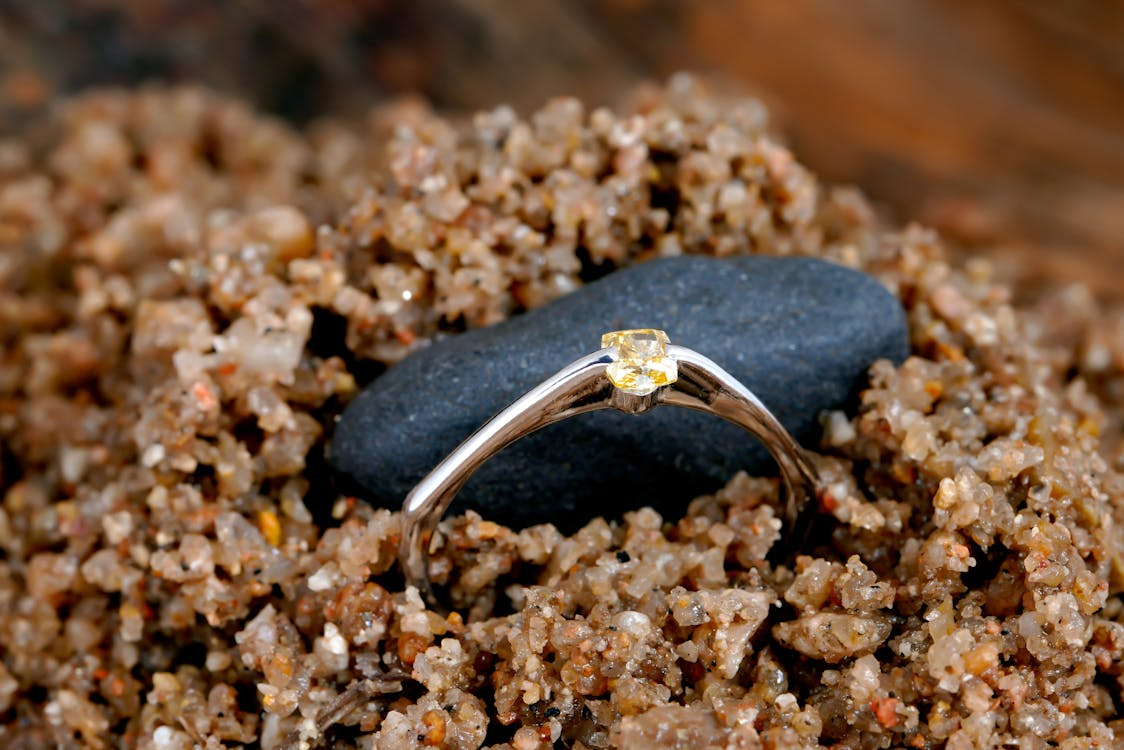
The world of fancy colored diamonds offers a wide range of hues. Yellow and brown diamonds are the most common and accessible, with yellow diamonds colored by nitrogen and brown diamonds displaying shades like champagne and cognac due to crystal lattice distortions.
Rarer varieties include blue, green, orange, and pink diamonds. Fancy vivid pink diamonds are especially prized, while red diamonds are the rarest—only about 30 natural red diamonds are known to exist. These exceptionally scarce gems command extremely high prices for their unique beauty and rarity.
Rarity Factors in Coloured Diamonds
Colored diamonds are rare because their creation requires highly specific and unusual conditions. Unlike white diamonds, which are valued for their absence of color, fancy colored diamonds form only when trace elements, structural defects, or radiation alter the crystal structure—a process that happens rarely.
Some of the rarest stones need even more extreme conditions. For instance, pink diamonds result from intense pressure that causes plastic deformation, often destroying many stones in the process. These unique factors make natural colored diamonds much scarcer than white diamonds.
Value and Grading of Coloured Diamonds
A colored diamond’s value is determined mainly by its color—specifically hue, tone, and saturation. Unlike white diamonds, where less color means higher value, colored diamonds are more valuable when their color is more intense. The grading system ranks them from Fancy Light to the most prized, Fancy Vivid.
While color is key, the traditional “4Cs”—clarity, cut, and carat weight—also affect value. Larger size and better clarity increase worth, but the cut is often chosen to maximize color intensity rather than brilliance.
The next section explains how these factors together determine a colored diamond’s overall value.
Criteria Determining Value: Color, Clarity, Cut, and Carat
The Gemological Institute of America (GIA) uses a specialized grading system for colored diamonds that prioritizes color. Color is assessed by hue (e.g., pink, blue), tone (lightness or darkness), and saturation (color strength). High color intensity is most valued.
Clarity and cut also matter. Clarity measures inclusions and blemishes, but minor flaws are often acceptable if the color is exceptional. The cut is tailored to enhance and display the diamond’s hue, often differing from cuts used for white diamonds. Carat weight greatly affects value, as large colored diamonds are extremely rare.
| Grading Factor | Description |
| Color | Most importantly, judged on hue, tone, and saturation. Grades include Fancy Light, Intense, Vivid. |
| Clarity | Assesses internal/external flaws; less critical than color but still impacts value. |
| Cut | Designed to maximize color intensity and visual appeal. |
| Carat Weight | Larger colored diamonds are much rarer and more valuable. |
Natural vs. Lab-Grown Coloured Diamonds
Lab-grown colored diamonds have become increasingly available in recent years. Created in labs using processes that replicate natural diamond formation, these stones share the same physical and chemical properties as natural colored diamonds but differ greatly in origin and rarity.
The key distinction is value and investment potential. Natural diamonds are rare, formed over billions of years, and are considered valuable finite resources. In contrast, lab-grown diamonds can be mass-produced, making them less valuable and unlikely to appreciate like natural stones. For collectors and investors, natural diamonds remain unique for their rarity and geological history.
Investing in Coloured Diamonds
Investing in fancy colored diamonds is an increasingly popular way to diversify portfolios. Unlike white diamonds, rare colored diamonds consistently appreciate due to their scarcity and high demand among collectors. The most expensive auctioned diamonds are often colored.
Diamonds with strong red or vivid blue hues can command much higher prices per carat than flawless white diamonds. Whether set in jewelry or kept loose, these gems are tangible assets that hold their value, making them attractive investments.
Why Coloured Diamonds Appeal to Investors
Coloured diamonds are a compelling investment due to their extreme rarity. Supplies of high-quality stones, like fancy vivid pink diamonds, are limited and shrinking as mines close. This scarcity, combined with strong global demand, steadily increases their value.
Key advantages for investors include:
- Stronger Appreciation: The rarest colours have historically outperformed white diamonds.
- Tangible Wealth: They offer portable, concentrated value.
- Market Stability: Top-tier coloured diamonds are less volatile than other luxury assets.
Even stones with secondary hues or substantial carat weights can be smart investments. Their uniqueness keeps them in high demand, making coloured diamonds a valuable addition to any portfolio.
Tips for Purchasing Valuable Coloured Diamonds in Australia
When buying natural colored diamonds, make informed choices to ensure authenticity and value. Whether for investment or an engagement ring, knowledge is key.
Prioritize diamond color quality—the main factor driving value. Strong color and high intensity are most desirable. Always choose stones with grading reports from reputable gemological labs.
Key tips:
- Insist on Certification: Buy only diamonds certified by major labs like GIA to verify origin and quality.
- Prioritize Color: Choose the highest color intensity you can afford; “Fancy Intense” and “Fancy Vivid” grades are most sought after.
- Consult an Expert: Work with a jeweler specializing in colored diamonds for expert advice and access to quality gems.
- Understand the Market: Research recent sales of similar stones to gauge current market values.
Famous Coloured Diamonds in History
History shines with famous colored diamonds, each with a story as striking as its hue. The most legendary is the Hope Diamond—a 45.52-carat vivid blue gem famed for its deep color, storied past, and supposed curse.
Other notable examples include the Pink Star and Graff Pink, both fancy vivid pink diamonds that have set auction records. The 11.15-carat Williamson Pink Star sold for $57.7 million. Many of these rare gems come from mines in South Africa and Australia, representing the height of rarity and beauty in the diamond world. They captivate collectors and set new standards for value.
Conclusion
In conclusion, coloured diamonds showcase nature’s artistry and are a valuable investment. Their rarity and unique features make them highly desirable for collectors and investors alike. By understanding factors like color intensity and clarity, you can make informed purchasing decisions. Discover the beauty and potential of these gems—contact us today for a consultation and let us guide you on your journey into coloured diamonds.
Frequently Asked Questions
Which coloured diamond is considered the most valuable?
The red diamond is considered the rarest and most valuable coloured diamond in the world. Due to their extreme scarcity, even small red diamonds command exceptionally high prices per carat. Following red are fancy vivid pink diamonds and blue diamonds, with famous examples like the Graff Pink and Hope Diamond showcasing their immense value.
How can I tell if a coloured diamond is natural or treated?
The most reliable way to verify if a coloured diamond is natural is to obtain a diamond grading report from a reputable laboratory like the Gemological Institute of America (GIA). Their experts can detect treatments and confirm the stone’s origin, ensuring your natural coloured diamonds are authentic and their colour is not artificially enhanced.
Is investing in coloured diamonds a good choice compared to traditional diamonds?
Yes, investing in coloured diamonds can be an excellent choice, often outperforming traditional diamonds. The extreme rarity and high demand for top-quality coloured gems contribute to their strong appreciation in value. As a tangible asset, they represent a stable and potentially lucrative long-term investment.
