


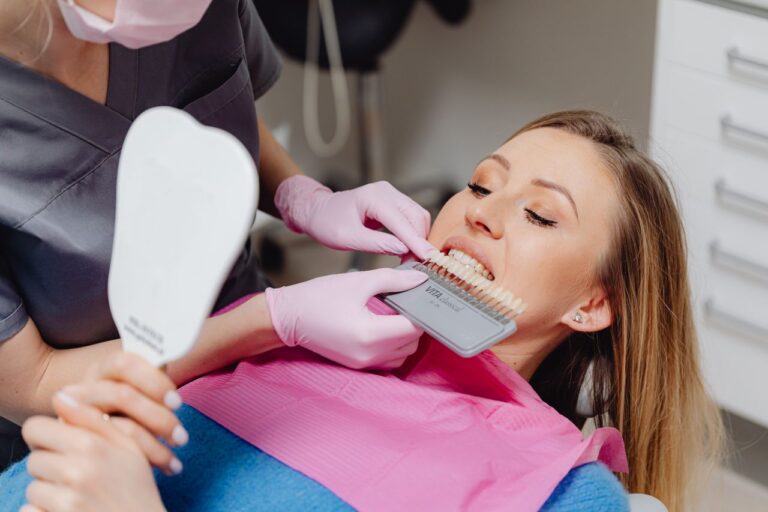
Beauty has never been a fixed idea. What Australians consider attractive evolves alongside fashion, culture, technology and even the way people present themselves online. Today, the smile has become an increasingly visible part of that conversation. From photographs and social media profiles to professional meetings and everyday interactions, teeth can influence how a person feels about their appearance. Within this changing landscape, dental veneers have emerged as one of the cosmetic dentistry options helping people create a smile that feels more aligned with their personal sense of style.
Yet modern smile design is not simply about chasing perfectly white teeth. The more sophisticated approach is about proportion, individuality and harmony. A well-designed smile should complement the face rather than dominate it. This philosophy reflects a broader Australian attitude towards beauty: polished, confident and considered, but not necessarily artificial.
From Hollywood Perfection to Personal Expression
For decades, cosmetic dentistry was often associated with an unmistakably uniform aesthetic. Extremely white teeth and identical shapes became symbols of the celebrity smile. However, contemporary patients are increasingly interested in results that appear natural.
Advances in dental materials and digital planning have helped clinicians create more personalised outcomes. Rather than selecting a generic tooth shape, dentists can consider facial proportions, lip movement, existing tooth structure and the way a patient’s smile appears from different angles. These factors can influence the final design.
Among the materials available for cosmetic restorations, porcelain veneers are valued for their ability to replicate several visual characteristics of natural enamel. Their appearance can be carefully planned in relation to colour, translucency, shape and surface texture. The goal is not necessarily to make teeth look flawless in an artificial sense, but to create a balanced appearance that belongs naturally to the individual.
When Dentistry Meets Fashion
Fashion is ultimately a language of personal expression, and modern cosmetic dentistry increasingly operates within the same space. Clothing, hairstyles, skincare and cosmetic treatments can all contribute to the way people construct their appearance. A smile can become another element within that visual identity.
This does not mean that everyone wants a dramatic transformation. Some people may prefer subtle changes to tooth shape, while others may be interested in improving the appearance of discolouration, minor irregularities or worn-looking teeth. The important shift is that cosmetic dentistry can be approached as an individual design process rather than a standardised makeover.
The influence of fashion can also be seen in the growing preference for natural-looking results. Just as contemporary Australian fashion often combines simplicity with thoughtful details, smile design can focus on understated refinement. Slight variations in translucency, tooth shape and surface character may contribute to a result that looks more organic.
Lifestyle Has Changed the Meaning of a Smile
The modern Australian lifestyle is diverse. People move between professional environments, outdoor activities, social occasions and digital spaces where photographs are constantly shared. Consequently, expectations surrounding appearance can be complicated.
A smile may need to look natural under sunlight, indoor lighting and camera flashes. It may appear in a professional headshot one day and a casual photograph at the beach the next. This makes personalised planning particularly relevant.
Digital smile design can help patients visualise potential changes before treatment begins. Depending on the dental practice and technology used, digital photographs, scans and computer-assisted planning may allow the proposed appearance to be assessed in relation to the patient’s facial features. This can encourage a more collaborative conversation between dentist and patient.
For people considering porcelain veneers, the decision should nevertheless extend beyond aesthetics. Veneers involve the assessment of dental health, enamel, bite, tooth position and long-term maintenance. A cosmetic procedure should be considered in the context of overall oral health rather than as an isolated beauty treatment.
The Psychology Behind a More Confident Smile
There is also a less visible dimension to cosmetic dentistry: how people feel about themselves. Someone who has spent years avoiding photographs or covering their teeth when laughing may experience a change in confidence after addressing concerns about their smile.
However, confidence does not come from a particular shade of white or a specific tooth shape. It often comes from feeling that one’s appearance reflects one’s identity.
That distinction is important. The modern cosmetic dentistry patient is not necessarily searching for someone else’s smile. They may simply want a version of their own smile that feels healthier, more balanced or more aesthetically comfortable.
A second consideration is maintenance. Even beautifully designed restorations still exist within a living mouth. Good brushing, interdental cleaning, regular dental examinations and sensible lifestyle habits remain important. Teeth and gums need ongoing care regardless of whether cosmetic treatment has been performed.
Beauty That Looks Like You
The most interesting development in modern Australian smile culture may therefore be the movement away from one definition of perfection. Beauty is becoming increasingly personalised, and dentistry is responding with techniques that allow greater attention to individuality.
Porcelain veneers can play a role within that philosophy when they are carefully planned for an appropriate patient and supported by sound dental care. Their value is not simply their ability to alter the appearance of teeth, but their potential to become part of a broader smile design that considers facial harmony, lifestyle and personal preference.
Ultimately, a contemporary smile does not need to announce that cosmetic dentistry has taken place. It can simply look healthy, proportionate and naturally suited to the person behind it. In that sense, modern Australian beauty is less about following a template and more about refining what already makes an individual distinctive.
As beauty, fashion and lifestyle continue to overlap, the smile has become an essential part of modern beauty routines—not because everyone needs a perfect smile, but because people increasingly want their appearance to feel authentically their own.
If you’d like, I can also adapt this into a more strongly Australian SEO-focused version with location-based terms, semantic keywords and a more Google/AI-search-friendly structure.
