


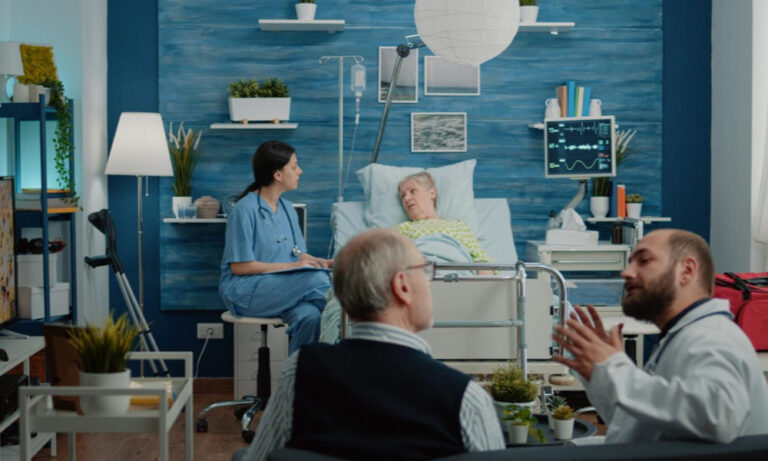
Access to specialty healthcare can make a major difference for patients recovering from serious illnesses, injuries, and medical procedures. PAM Health sees a 42 bed hospital as an opportunity to bring focused services closer to people who might otherwise need to travel for treatment. A facility does not need hundreds of beds to have a meaningful effect on the region it serves.
Bringing Specialty Care Closer to Patients
Travel can become a serious concern when someone needs specialized medical attention. Patients recovering from complex conditions may already be dealing with limited mobility, fatigue, or demanding treatment schedules. Long trips for care can place additional pressure on patients and their families.
A local specialty hospital can help reduce some of that burden. Patients may be able to receive appropriate treatment closer to their homes, families, and support systems. Staying near familiar surroundings can also make it easier for loved ones to remain involved.
Improved access is about more than convenience. When specialty services are available nearby, patients may face fewer obstacles when moving to the next stage of their care. That can make an already complicated healthcare experience easier to manage.
Size Does Not Determine Community Impact
A hospital with 42 beds may seem modest next to a large medical center, but size does not tell the whole story. What matters more is the type of care available and whether it meets a need in the community. The right services can give local patients options they may not have had before.
A smaller facility can also put more attention on patients who need certain types of specialized care. Over time, doctors, nurses, therapists, and other staff become familiar with the conditions and recovery challenges they see regularly. That experience can bring valuable medical knowledge closer to people who previously had to travel to find it.
The benefits can reach beyond the people staying in the hospital. Families may have an easier time visiting, and local providers have another place to refer patients who need continued care. In this way, a 42-bed facility can become a useful part of the healthcare system throughout the region.
Filling Gaps Between Levels of Care
Patients do not always go directly home after leaving a traditional hospital. Some still require medical supervision, rehabilitation, therapy, or other specialized services before they can safely continue their recovery elsewhere. Finding the right setting for that period is an important part of the care process.
Specialty hospitals can help fill the space between acute hospital treatment and returning home. They can provide an environment designed for patients who still need significant attention but have moved beyond the earliest stage of treatment. This creates another option for physicians planning the next step.
Having that option within the region can make transitions easier to coordinate. Local providers can work with specialty teams to determine what services a patient needs next. Better coordination can reduce some of the uncertainty families experience during these transitions.
Supporting Patients With Complex Needs
Some patients require more time and attention than a typical hospital stay can provide. Their recovery may involve several medical conditions, ongoing monitoring, respiratory support, wound care, or different forms of therapy. These situations often require professionals from several disciplines to work together.
A specialty facility can bring those professionals into one care environment. Physicians, nurses, therapists, and other staff can communicate about progress and adjust care as a patient’s condition changes. Having several services available in one place can make complex treatment easier to coordinate.
This approach can also make communication clearer for families. Instead of trying to understand information coming from several disconnected sources, they can work with a more coordinated care team. That connection can be valuable when recovery takes time.
Helping Families Stay Involved
Family support can play an important role during a lengthy recovery. Loved ones may encourage patients, help them understand information, and participate in conversations about what happens after discharge. Distance can make that involvement much more difficult.
Having specialty care closer to home can make regular visits easier for families. Instead of spending hours traveling, they can put more of their time and energy into being there for their loved one. This can make a real difference when a hospital stay lasts several weeks.
Being nearby also gives family members a better idea of how recovery is progressing. They can talk with the care team, learn what the patient may need after leaving the hospital, and prepare for the next stage of recovery. Knowing what to expect can make the move back home easier for everyone involved.
Strengthening the Regional Healthcare Network
Healthcare facilities rarely operate completely on their own. Hospitals, physician practices, rehabilitation providers, home care services, and other organizations depend on one another to serve patients at different stages. Adding specialty care can give that network another important resource.
Local physicians may have more options when deciding where patients should continue treatment. Acute care hospitals may also have a nearby setting for individuals who still require specialized attention. This can help keep patients connected to care within their own region.
Strong relationships between providers can improve communication as patients move between settings. Medical information can be shared more effectively when organizations establish dependable working relationships. Patients benefit when those transitions feel organized rather than disconnected.
Creating Healthcare Jobs Locally
A specialty hospital can also affect a community through employment. Operating a 42-bed facility requires nurses, therapists, physicians, technicians, administrative employees, and support staff. Those positions can create new opportunities for healthcare professionals living nearby.
Local employment can help communities retain skilled workers who might otherwise look elsewhere for career opportunities. It can also attract professionals interested in working in specialty care. Building an experienced workforce strengthens the services available to local patients.
Healthcare jobs can have effects beyond the facility itself. Employees live, shop, and participate in the surrounding community. A hospital can therefore contribute to both healthcare access and the local economy.
Preparing for Future Healthcare Needs
The healthcare needs of a community can change considerably over time. A growing population, more older adults, and new treatment options can all affect the types of services people need. Having specialty care available locally gives communities more ways to respond to those changes.
Hospitals also need to pay attention to what patients and local providers actually need. Looking at referrals, patient results, and demand for certain services can show where additional resources would be most helpful. This information can guide decisions about which services should receive more attention in the future.
Meeting growing demand does not always mean building a massive hospital. A smaller facility offering the right type of care can be more useful than a larger one that does not address gaps in local services. What matters is providing care that matches the needs of the people living in the region.
Final Thoughts
PAM Health views a 42 bed specialty hospital as more than an addition to the local healthcare landscape. By bringing specialized services closer to patients, the facility can improve access, support families, and strengthen connections between regional providers. Its broader value shows how a carefully planned hospital can influence healthcare far beyond the number of beds inside it.
