


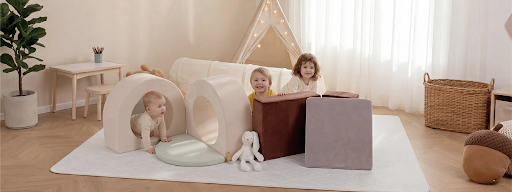
The toddler years are a period of rapid change, when a child moves from wobbly first steps to confident running, and from clumsy grasping to careful stacking. Toys are not just a way to keep little ones entertained, they are tools that shape how a toddler’s brain and body learn to work together. Choosing the right toys, and understanding why certain play patterns matter, can make a real difference in a child’s development.
This article looks at how toys support motor coordination and sensory processing, and offers some practical guidance for parents and caregivers.
Why Sensory Play Matters for Toddlers
Sensory play involves activities that stimulate a child’s senses, including touch, sight, sound, smell, and movement. For toddlers, this kind of play is essential because their nervous systems are still forming the connections that allow them to interpret and respond to the world around them.
Toys with varied textures, colors, and sounds give toddlers the chance to explore these sensations safely. Many parents now look for toys that combine bright colors, interesting shapes, and gentle sounds, and brands such as Banasuper have become popular for offering exactly this kind of stimulating, toddler friendly design.
When a toddler squeezes a soft toy, shakes a rattle, or feels a textured ball, they are building neural pathways that support attention, self regulation, and later learning skills like reading and writing.
Fine Motor Skills and Hand Coordination
Fine motor skills involve the small muscles in the hands and fingers, and toddlers develop these skills through repeated practice with age appropriate toys. Stacking rings, shape sorters, chunky puzzles, and building blocks all encourage a toddler to pick up, hold, rotate, and place objects with increasing precision. This kind of play strengthens the pincer grasp, which is the ability to hold small items between the thumb and forefinger, a skill that later becomes important for tasks such as holding a crayon or using utensils.
Caregivers can support fine motor growth by offering toys that require a bit of effort but are not frustratingly difficult. A shape sorter with a few simple shapes is often more useful for a young toddler than one with many complex pieces, since success builds confidence and encourages continued practice. Rotating toys every few weeks, rather than leaving the same ones out constantly, can also keep a toddler engaged and motivated to refine these emerging skills.
Gross Motor Development Through Active Play
While fine motor skills focus on small movements, gross motor skills involve the larger muscle groups used for walking, running, climbing, and jumping. Toys that encourage physical movement, such as push and pull toys, ride on toys, soft climbing sets, and balls of different sizes, give toddlers the opportunity to practice balance, coordination, and spatial awareness.
Outdoor play equipment, like small slides or tunnels, also helps toddlers understand how their bodies move through space, which supports both physical confidence and cognitive mapping skills. Gross motor play is closely linked to a toddler’s overall energy regulation as well, since active movement helps children release built up energy and often leads to calmer, more focused behavior afterward. Parents should aim to include daily opportunities for active play, even if it is simply chasing a ball across the living room or climbing over couch cushions, since consistency matters more than the complexity of the equipment.
Understanding Sensory Seeking Behaviors
Some toddlers show behaviors that puzzle parents, such as biting objects, chewing on clothing, or even biting their own skin. Understanding why do kids bite themselves often comes down to sensory processing needs, since some toddlers seek out strong sensory input, including deep pressure on the jaw and mouth, as a way to soothe or regulate their emotions. This kind of behavior can be especially common during periods of overstimulation, frustration, or teething discomfort, when a toddler has not yet developed the language or coping skills to express what they are feeling.
Offering toys designed for oral sensory needs, such as textured teething rings or chewable silicone toys, can give a toddler a safer outlet for this kind of sensory seeking. In addition, toys that provide deep pressure input, like weighted plush animals or firm squeeze balls, can help toddlers who are seeking that same calming sensation through other means. If self biting becomes frequent or intense, it is worth discussing the behavior with a pediatrician or occupational therapist, since they can assess whether additional sensory support strategies would be helpful.
Choosing the Right Toys for a Toddler’s Stage
Not every toy suits every age, and selecting toys that match a toddler’s current developmental stage makes play both safer and more effective. For younger toddlers around twelve to eighteen months, simple cause and effect toys, soft blocks, and large knob puzzles are often appropriate, since these children are still developing basic coordination. As toddlers move closer to two or three years old, toys can introduce more complexity, such as multi step puzzles, pretend play sets, and toys that require sequencing, like stacking cups in size order.
It also helps to observe how a toddler naturally plays. Some children are drawn to quiet, focused activities like sorting and stacking, while others prefer active, whole body play. Providing a mix of both types of toys ensures that a toddler receives balanced stimulation across fine motor, gross motor, and sensory domains, rather than favoring only one area of development.
Conclusion
Toys play a far more significant role in toddler development than many people realize. From supporting fine motor precision to encouraging active gross motor movement, and from offering healthy sensory outlets to helping caregivers understand behaviors like self biting, thoughtfully chosen toys can shape a toddler’s growth in meaningful ways. By paying attention to a child’s individual needs and offering a variety of play experiences, parents and caregivers can help toddlers build the physical and sensory foundations they will rely on for years to come.
