


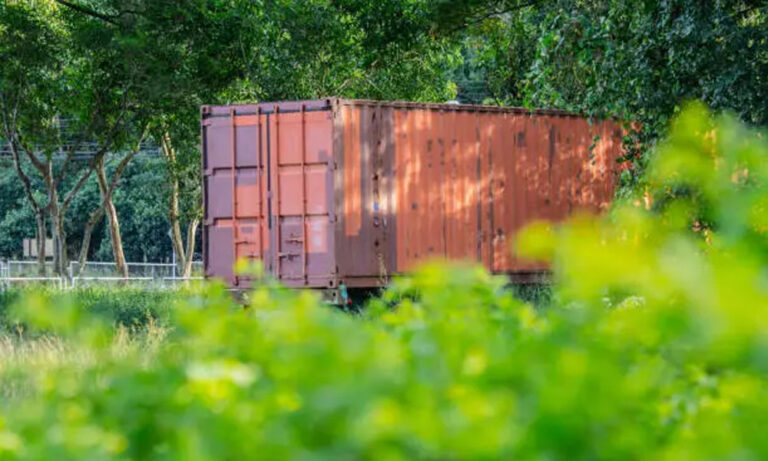
Rural properties come with a unique set of challenges. Distances are longer, tradespeople are harder to schedule, weather can be unpredictable, and storage needs often change with the seasons. For farmers, lifestyle block owners and rural business operators, shipping containers have become a practical answer to many of these everyday problems. Tough, secure and endlessly adaptable, they offer a level of flexibility that traditional rural buildings simply cannot match.
Why Containers Work So Well on the Land
A shipping container is built to withstand years of ocean transport, which means it can shrug off the conditions rural New Zealand throws at it. Wind, rain, dust, frost and harsh sun are no match for a steel structure designed to survive stacking on a container ship in open seas. That same resilience makes containers ideal for standing out in a paddock or yard for years with minimal maintenance.
Unlike a purpose built shed or barn, a container arrives as a complete, weatherproof structure from day one. There is no waiting on builders, no lengthy consent process for a simple storage unit, and no exposed timber framing that needs ongoing upkeep. For rural property owners juggling a long list of priorities, that simplicity matters.
Common Rural Uses
Containers are being put to work across rural New Zealand in more ways than most people realise.
- Farm equipment and tool storage: keeping machinery, tools and supplies secure and dry, away from rodents and damp
- Chemical and fertiliser storage: providing a lockable, weatherproof space that keeps hazardous substances separated from stock and family areas
- Feed and grain storage: protecting stored feed from moisture and pests during colder or wetter months
- Workshops and site offices: converted containers make sturdy, insulated workspaces for farm hands or contractors
- Temporary or permanent accommodation: fitted out units can house seasonal workers or serve as a compact home on a lifestyle block
- Cool storage: refrigerated containers extend the shelf life of produce, meat or dairy products awaiting transport
This range of uses is part of why containers appeal to such a broad cross section of rural operators, from large scale farming enterprises to small hobby blocks.
Getting the Right Fit for a Rural Property
Not every rural job needs the same type of container. A tool shed does not require the same specification as a chemical store, and a converted living space needs far more attention to insulation and ventilation than a basic storage unit. This is where working with an experienced supplier pays off. Providers offering Boxman container solutions bring an understanding of the different grades and configurations available, helping property owners choose a container that matches both the intended use and the budget, rather than overpaying for a specification the job does not need.
Transport is another factor rural buyers need to plan around. Getting a container onto a remote block often means navigating narrow farm tracks, gates, gradients and soft ground, so working with a provider experienced in rural delivery and placement reduces the risk of delays or damage on the day.
Planning Ahead
Before ordering a container, it helps to think through a few practical questions:
- What is the container’s main purpose, and does that call for a new, used or refurbished unit
- Will the container need modifications such as shelving, ventilation, insulation or additional doors
- How will it be transported and positioned, particularly if access is difficult
- Does the intended use require any local council consent
Answering these questions early avoids costly changes later and ensures the container earns its place on the property for years to come.
A Practical, Long Term Investment
For rural properties where reliability and self sufficiency count for a great deal, shipping containers offer a rare combination of toughness, flexibility and value. Whether it is protecting valuable equipment, housing seasonal workers or creating extra storage during harvest season, a well chosen container can solve problems that would otherwise mean expensive custom builds. With the right advice and the right supplier, a simple steel box can become one of the most useful assets on the entire property.
