


Good health depends on many factors, but few are as important as quality sleep. While people often focus on exercise routines and nutrition plans, sleep remains the foundation that supports physical recovery, mental performance, and emotional well-being. Unfortunately, many individuals are unaware of how well they actually sleep or how their nighttime habits affect their daily lives.
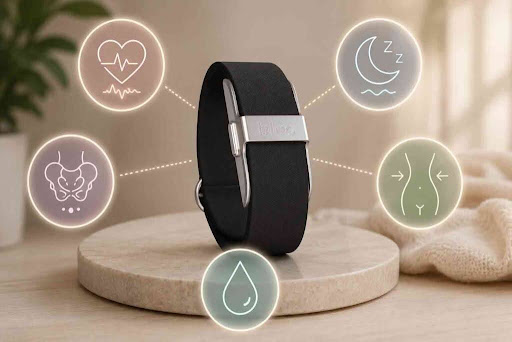
This growing awareness has led to increased interest in wearable wellness devices that provide deeper insights into sleep behavior. A Smart band with sleep analysis helps users track important sleep-related metrics, offering a clearer picture of what happens during the night. Instead of guessing whether they are getting enough rest, individuals can use data-driven insights to understand their sleeping patterns and make meaningful improvements.
As wearable technology continues to advance, sleep monitoring has become one of the most valuable features available. These devices are helping people identify habits that support better recovery, increased energy levels, and improved overall wellness.
Why Sleep Quality Is More Important Than Sleep Quantity
Many people assume that sleeping for a certain number of hours automatically means they are getting adequate rest. However, sleep quality is often just as important as the total amount of sleep.
A person may spend eight hours in bed but still wake up feeling tired if their sleep is interrupted or inconsistent. Factors such as stress, lifestyle habits, room conditions, and daily activity levels can all influence sleep quality.
Sleep analysis technology helps users look beyond simple duration by providing insights into patterns and behaviors that affect nighttime recovery. Understanding these details can help individuals make more informed decisions about their sleep routines.
The Growing Demand for Sleep Monitoring Technology
Sleep-related wellness technology has become increasingly popular as people recognize the connection between rest and overall health.
Several factors are driving this trend:
- Increased awareness of sleep health
- Greater interest in preventive wellness
- Advancements in wearable sensors
- Demand for personalized health insights
- Growth of digital health solutions
Rather than relying solely on subjective feelings, consumers now have access to objective data that helps them evaluate their sleep habits more accurately.
This shift is changing the way people approach wellness and personal health management.
How Sleep Analysis Works in Wearable Devices
Modern wearable devices use advanced sensors to collect information throughout the night. These sensors monitor various physiological signals that help estimate sleep patterns and recovery trends.
A Smart band with sleep analysis typically gathers data related to:
Sleep Duration
The total amount of time spent sleeping during the night.
Sleep Consistency
How regularly a user follows similar sleep and wake schedules.
Rest Periods
Patterns that may indicate interruptions or changes during sleep.
Recovery Trends
Information that helps users understand how effectively their body recovers overnight.
The collected data is then presented through a mobile application or dashboard, allowing users to review their sleep habits in an easy-to-understand format.
Understanding Sleep Patterns Over Time
One night’s sleep rarely tells the whole story. Long-term trends often provide a more accurate picture of overall sleep health.
Wearable devices excel at collecting information consistently over weeks and months. This allows users to identify patterns that may otherwise go unnoticed.
Examples of trends include:
- Changes in bedtime consistency
- Variations in sleep duration
- Effects of exercise on recovery
- Impact of stress on sleep quality
- Seasonal changes in sleeping habits
Recognizing these patterns enables users to make targeted adjustments that support healthier routines.
The Relationship Between Sleep and Daily Performance
The quality of sleep directly affects how people feel and perform during the day.
Proper rest supports:
Mental Focus
Adequate sleep helps improve concentration, memory, and decision-making abilities.
Physical Recovery
Sleep allows the body to repair tissues, restore energy, and recover from physical activity.
Emotional Well-Being
Consistent sleep patterns are associated with improved mood and emotional balance.
Productivity
Well-rested individuals often experience better performance at work, school, and other daily activities.
By understanding sleep patterns, users can identify factors that may be affecting their daytime performance.
Building Better Sleep Habits Through Data
One of the greatest benefits of wearable sleep tracking is the ability to transform information into action.
Users may discover habits that negatively impact sleep, such as:
- Inconsistent bedtimes
- Excessive screen use before sleep
- High stress levels
- Irregular schedules
- Lack of physical activity
With access to measurable insights, individuals can experiment with lifestyle changes and evaluate their effects over time.
This process encourages continuous improvement and greater awareness of personal wellness habits.
How Smart Bands Support Healthy Aging
As people age, sleep patterns often change. Maintaining quality sleep becomes increasingly important for supporting cognitive function, physical health, and overall quality of life.
This is one reason why Wearable technology for the elderly has become an area of growing interest.
Sleep-monitoring wearables can help older adults:
- Track sleep consistency
- Monitor activity levels
- Maintain wellness routines
- Improve health awareness
- Support long-term lifestyle management
By providing easy access to valuable health information, wearable technology helps users remain engaged with their personal wellness goals.
The Benefits of Passive Health Monitoring
Traditional health tracking often requires manual record keeping or frequent self-assessments. Wearable devices simplify this process through passive monitoring.
Once worn, the device automatically collects information throughout the day and night.
Advantages of passive tracking include:
Convenience
Users receive insights without manually recording information.
Consistency
Automatic tracking helps ensure reliable data collection.
Accessibility
Health information is available whenever needed.
Long-Term Visibility
Users can review historical trends and monitor progress over time.
These benefits contribute to the growing popularity of wearable wellness devices.
Features to Look for in a Sleep Tracking Smart Band
Not all wearable devices offer the same experience. When evaluating options, consumers should consider several factors.
Comfortable Design
Since the device will likely be worn overnight, comfort is essential.
Battery Life
Long battery performance reduces interruptions and improves convenience.
Easy-to-Understand Reports
Clear and simple data presentation enhances usability.
Reliable Tracking
Accurate measurements provide more meaningful insights.
Mobile App Experience
A well-designed application helps users interpret and act on their data.
Choosing a device that balances these features can improve the overall sleep-tracking experience.
The Future of Sleep-Focused Wearable Technology
Wearable technology continues to evolve as manufacturers develop more sophisticated sensors and analytical tools.
Future advancements may include:
- Enhanced sleep detection
- More personalized recommendations
- Improved recovery analysis
- Greater integration with wellness platforms
- AI-driven sleep coaching
These innovations have the potential to provide users with even deeper insights into their nighttime recovery and overall health.
As digital health solutions become more advanced, sleep tracking is expected to remain a central component of personal wellness technology.
Why Consumers Are Embracing Wellness Wearables
Today’s consumers want tools that help them make smarter decisions about their health. Wearable technology provides access to information that was once difficult to obtain outside of clinical settings.
A Smart band with sleep analysis offers users an opportunity to better understand their rest, recovery, and lifestyle habits. Combined with the growing adoption of Wearable technology for the elderly, these devices are helping individuals of all ages take a more proactive approach to wellness.
The ability to monitor sleep and identify meaningful patterns empowers users to make positive changes that support long-term health.
Conclusion
Sleep is one of the most important pillars of overall wellness, yet it is often misunderstood or overlooked. A Smart band with sleep analysis provides valuable insights that help users understand their sleep habits, monitor recovery, and improve daily performance.
As wearable technology continues to evolve, sleep tracking will play an increasingly important role in helping individuals make informed lifestyle decisions. Whether used by young professionals, active individuals, or those interested in Wearable technology for the elderly, these devices offer a practical and accessible way to support healthier living.
FAQs
What is a smart band with sleep analysis?
A smart band with sleep analysis is a wearable device that monitors sleep-related data and provides insights into sleep patterns and recovery trends.
How does sleep tracking work?
Sleep tracking uses sensors to collect data related to movement, rest periods, and other indicators that help estimate sleep behavior.
Can sleep analysis improve sleep quality?
While the device does not directly improve sleep, it provides insights that help users identify habits and behaviors that may affect sleep quality.
Why is sleep important for overall health?
Sleep supports physical recovery, mental performance, emotional well-being, and long-term wellness.
Is wearable technology suitable for older adults?
Yes. Many forms of wearable technology for the elderly are designed to help users monitor wellness metrics and maintain healthy routines.
How often should sleep data be reviewed?
Regular review helps users identify trends and evaluate the effectiveness of lifestyle changes over time.
What features should I look for in a sleep-tracking wearable?
Comfort, battery life, reliable tracking, easy-to-understand reports, and mobile app functionality are all important considerations.
