


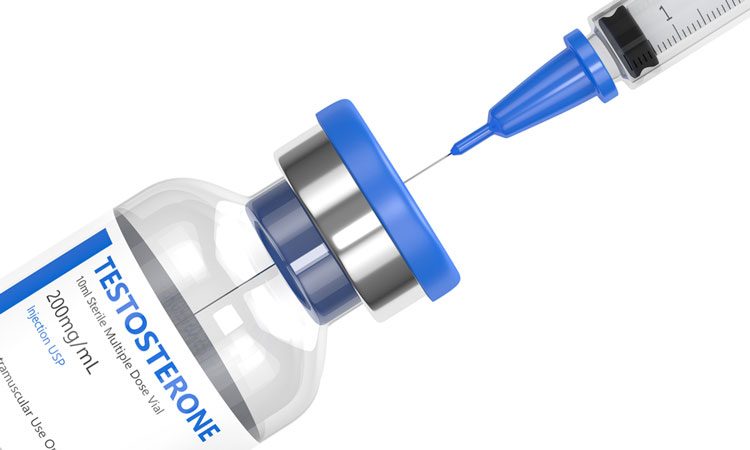
]Low testosterone is something many men hear about but often misunderstand. It’s not just a medical label or an aging-related buzzword—it can quietly influence energy levels, mood, focus, and even how someone shows up in everyday life. Testosterone is a key hormone in the male body responsible for things like muscle strength, libido, bone health, and overall vitality. When levels drop below what’s considered healthy, the effects can feel surprisingly broad and personal.
What makes low testosterone tricky is that it doesn’t always show up in dramatic ways. Instead, it often creeps in slowly—more fatigue after work, less motivation to exercise, slower recovery after physical activity, or a general sense that “something is off.” Many men brush it off as stress, aging, or burnout, especially if they are juggling demanding jobs or family responsibilities.
In reality, low testosterone—sometimes called “low T”—can have a real physiological cause. Understanding it better can help men make sense of changes they might otherwise ignore.
What Low Testosterone Means in Everyday Life
Testosterone levels naturally fluctuate throughout a man’s life. They tend to peak in early adulthood and gradually decline with age. That decline is normal, but when levels fall too low, the body can start to feel out of balance.
To put it in everyday terms, testosterone affects how your “engine” runs. Think of a construction worker who used to comfortably handle heavy lifting all day but now feels drained halfway through the shift. Or a software developer who once had sharp focus during long coding sessions but now struggles to stay mentally alert. In both cases, the issue might not be workload—it could be hormonal balance.
Even in physically less demanding industries like education or customer service, low testosterone can show up as irritability, reduced patience, or difficulty staying engaged in conversations. Some men describe it as feeling like they’re operating at “70 percent capacity” without knowing why.
On a biological level, testosterone replacement therapy supports muscle mass, red blood cell production, and brain function. When it drops, the body compensates in ways that can affect stamina, mood, and confidence. It’s not just about sexual health, although libido changes are often one of the earliest noticeable signs.
Signs and Real-World Impacts You Shouldn’t Ignore
Low testosterone doesn’t look the same for every man, but there are some common patterns that often show up in daily life.
One of the most frequent signs is persistent fatigue. This isn’t the kind of tiredness that goes away after a good night’s sleep. It’s more like a lingering lack of energy that makes even simple tasks feel heavier than they should. A man who used to enjoy morning runs might start skipping them—not out of laziness, but because getting out of bed feels harder than before.
Mood changes are another subtle but important clue. Some men experience increased irritability or a low, flat mood that doesn’t seem linked to any specific event. In workplaces, this might show up as reduced tolerance for stress or difficulty staying motivated during long projects.
Physical changes can also be noticeable. Reduced muscle mass, slower gym progress, and increased body fat—especially around the midsection—are common complaints. A gym-goer might find that despite consistent training, their strength gains stall unexpectedly.
In industries that require physical endurance, like logistics, construction, or agriculture, these changes can directly affect performance. A worker might notice they tire faster during physically demanding tasks, even when their workload hasn’t changed.
There can also be cognitive effects. Some men describe “brain fog,” where concentration and memory feel less sharp. For someone in a fast-paced environment—like finance, healthcare, or management—this can be frustrating and impact confidence in decision-making.
Sleep quality can suffer too. While not always obvious at first, disrupted sleep patterns can worsen fatigue and create a cycle that affects overall well-being.
When several of these signs appear together, it may point toward low testosterone rather than isolated stress or lifestyle issues.
When Treatment May Be Needed and What Support Looks Like
Not every case of low energy or mood change means testosterone therapy is necessary. Doctors typically start by looking at symptoms alongside blood test results to confirm whether hormone levels are actually below normal.
Treatment is usually considered when low testosterone is persistent, clearly documented, and affecting quality of life. The goal isn’t to “boost performance” beyond normal levels—it’s to restore balance so the body functions properly again.
In real-world terms, treatment can help someone move from constantly feeling drained to feeling more like themselves again. For example, a tradesperson who struggled to keep up with physically demanding work might find improved stamina. Or an office worker dealing with mental fog may notice better focus and clearer thinking during long meetings.
Lifestyle factors are also reviewed carefully. Sleep, stress, nutrition, and exercise all play major roles in hormone health. In some cases, improving these areas alone can make a significant difference without medical treatment.
When therapy is appropriate, it is typically managed through structured medical supervision, often involving regular monitoring to ensure safety and effectiveness. This is where working with qualified professionals becomes essential. Many people choose to seek guidance from Australian TRT specialists who are experienced in assessing hormone levels, interpreting symptoms properly, and designing treatment plans tailored to individual needs.
It’s important to understand that testosterone therapy is not a quick fix or a one-size-fits-all solution. It requires ongoing monitoring and adjustment. The best outcomes usually come when treatment is combined with healthier lifestyle habits—regular strength training, balanced nutrition, stress management, and consistent sleep patterns.
For many men, the biggest shift is not just physical but psychological. Regaining stable energy levels and mood can restore confidence and motivation that may have been missing for years.
Low testosterone is more than just a number on a lab report. It can subtly influence how a man feels, performs, and interacts with the world around him. Recognizing the signs early and understanding when to seek help can make a meaningful difference in long-term health and quality of life.
