


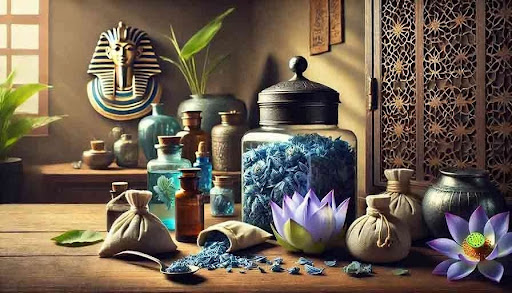
Across different regions and generations, certain plants have continued to inspire curiosity because of their remarkable appearance and cultural importance. Among them, the lotus stands out as a botanical that has been admired in both fresh and preserved forms. Once carefully dried, it retains much of its natural structure, allowing people to appreciate its distinctive beauty long after the blooming season has passed.
In recent years, preserved botanicals have become increasingly popular for home décor, educational collections, and traditional plant appreciation. Their durability and organic charm make them an attractive alternative to fresh flowers. Whether featured in handcrafted arrangements or valued for its rich botanical heritage, the dried lotus flower continues to be appreciated as a timeless expression of nature’s elegance.
Why the Lotus Has Been Revered Across Generations
Unlike many aquatic plants, the lotus rises above muddy waters to produce clean, vibrant blossoms. This remarkable growth pattern has inspired countless stories and symbolic meanings across civilizations. Ancient communities viewed the flower as a representation of renewal, resilience, and harmony with nature.
Its elegant petals, distinctive seed pod, and broad leaves have made it recognizable across continents. From ceremonial practices to artistic creations, the lotus has maintained its importance because it represents both beauty and perseverance.
Many botanical enthusiasts continue to value preserved lotus flowers as a reminder that natural plants can retain their charm long after their blooming season has ended.
The Journey From Fresh Blossom to Preserved Botanical
Preserving lotus flowers requires patience and careful handling. The goal is to maintain the flower’s natural form while reducing moisture to prevent decay.
A typical preservation process may include:
- Harvesting blooms at the proper stage of maturity
- Cleaning away excess moisture and debris
- Drying under controlled environmental conditions
- Protecting petals from direct sunlight during preservation
- Storing finished flowers in dry, well-ventilated locations
When handled correctly, preserved lotus flowers can remain attractive for months or even years, making them suitable for decorative and botanical collections.
Botanical Traditions That Continue Today
Throughout history, many cultures collected and preserved plants for educational, ceremonial, or artistic purposes. Botanical preservation allowed people to study plant structures while also celebrating seasonal beauty.
Modern enthusiasts continue this tradition in several ways:
Home Botanical Displays
Natural dried arrangements have become increasingly popular in homes seeking an organic aesthetic. Lotus flowers often serve as focal points because of their distinctive shapes and elegant textures.
Educational Collections
Students of botany frequently examine preserved flowers to better understand plant anatomy. The lotus offers excellent examples of seed development, petal arrangement, and reproductive structures.
Creative Floral Design
Professional florists and interior designers often include preserved botanicals in long-lasting arrangements. Lotus seed pods and blossoms provide interesting textures that complement grasses, branches, and dried foliage.
Symbolic Meaning in Different Cultures
One reason the lotus has remained significant is its universal symbolism. While interpretations vary between cultures, several common themes appear repeatedly.
Purity
The flower grows in muddy water yet blooms without losing its clean appearance, making it a symbol of purity and inner strength.
Transformation
Its daily opening and closing cycle has long represented personal growth and continuous renewal.
Balance
Many traditions associate the lotus with harmony between nature, body, and mind.
Wisdom
Because of its long historical presence in philosophy and spiritual teachings, the lotus often represents knowledge gained through experience.
These meanings continue to influence modern appreciation for preserved lotus botanicals.
Growing Interest in Sustainable Botanical Products
Consumers today increasingly seek environmentally friendly decorative materials. Preserved flowers offer an appealing alternative to artificial decorations because they originate directly from nature.
Several factors contribute to this growing popularity:
- Long-lasting beauty
- Minimal maintenance
- Reduced waste compared to fresh flowers
- Natural textures and colors
- Compatibility with eco-conscious lifestyles
As interest in sustainable living expands, preserved botanicals continue finding new audiences around the world.
Appreciating Traditional Herbal Collections
Historical herbal collections often included carefully preserved flowers alongside roots, leaves, and seeds. These collections served educational and cultural purposes while documenting important plant species.
Among modern botanical enthusiasts, there is also growing appreciation for organic blue lotus, which is valued for its carefully cultivated quality and connection to traditional botanical practices. Responsible sourcing and proper preservation help maintain the plant’s natural characteristics while respecting its historical significance.
Decorating With Preserved Lotus Flowers
Because preserved lotus flowers remain attractive over long periods, they fit well into many decorative styles.
Popular ideas include:
Rustic Interiors
Natural wood furniture pairs beautifully with preserved botanical arrangements.
Minimalist Spaces
A single lotus bloom displayed in a ceramic vase creates a clean and elegant centerpiece.
Seasonal Decorations
Preserved flowers blend easily with autumn leaves, dried grasses, and decorative branches.
Office Environments
Natural botanical displays can introduce warmth and visual interest without requiring regular watering or maintenance.
Their versatility allows them to complement both traditional and contemporary interiors.
Caring for Preserved Lotus Flowers
Although preserved flowers require little upkeep, a few simple practices help maintain their appearance.
Helpful care tips include:
- Keep away from direct sunlight to reduce fading.
- Avoid humid environments that may introduce moisture.
- Dust gently using a soft brush or air blower.
- Handle carefully since dried petals are delicate.
- Store unused flowers inside protective containers.
With proper care, preserved lotus flowers can remain beautiful for extended periods.
The Artistic Appeal of Natural Forms
Artists have admired lotus flowers for centuries because of their balanced proportions and distinctive shapes. Even when dried, the flower retains many of its original features, making it popular among painters, photographers, and sculptors.
Its symmetrical design also inspires decorative crafts, handmade wreaths, and botanical illustrations. Many creators appreciate the subtle textures that preserved flowers develop during the drying process.
This artistic value helps explain why lotus flowers continue appearing in galleries, homes, and design studios.
Preserved Botanicals in Modern Wellness Spaces
Many wellness-focused environments incorporate natural elements to create calming surroundings. While preserved flowers are primarily decorative, their presence contributes to spaces designed for relaxation and reflection.
Common settings include:
- Meditation rooms
- Reading corners
- Yoga studios
- Spa reception areas
- Nature-inspired cafés
The lotus complements these environments through its timeless appearance and long-standing cultural associations.
Looking Toward the Future
As interest in botanical history, sustainable décor, and natural craftsmanship continues to grow, preserved lotus flowers are likely to remain highly valued. Modern preservation techniques make it possible to enjoy seasonal blooms throughout the year while honoring traditions that have existed for generations.
Collectors, designers, educators, and nature enthusiasts all contribute to keeping these botanical traditions alive. Their appreciation demonstrates that the beauty of plants extends beyond their blooming season and continues to inspire long after harvest.
Conclusion
The fascination with preserved lotus flowers has endured because they represent far more than simple decoration. Their rich cultural heritage, graceful appearance, and lasting beauty have allowed them to remain important across generations. Whether admired for botanical study, artistic inspiration, sustainable decorating, or traditional symbolism, preserved lotus flowers continue connecting people with the remarkable diversity of the natural world. As interest in responsibly sourced botanicals grows, organic blue lotus has also become a popular choice among enthusiasts who appreciate authentic plant traditions and the enduring appeal of nature.
Frequently Asked Questions
1. Why are preserved lotus flowers so popular?
They combine natural beauty, cultural significance, and long-lasting decorative value, making them suitable for homes, botanical collections, and artistic displays.
2. How long can a preserved lotus flower last?
With proper storage and protection from humidity and direct sunlight, preserved lotus flowers can maintain their appearance for many months or even several years.
3. Are preserved lotus flowers environmentally friendly?
Since they are natural plant materials that require no watering or frequent replacement, they are often considered a sustainable decorative option.
4. Can preserved lotus flowers be used in floral arrangements?
Yes. Florists frequently combine them with dried grasses, branches, seed pods, and preserved foliage to create long-lasting displays.
5. How should preserved lotus flowers be stored?
Store them in a cool, dry location away from excessive moisture and direct sunlight. Gentle handling helps protect their delicate petals.
6. Why has the lotus remained culturally important?
Across many traditions, the lotus symbolizes qualities such as purity, renewal, balance, wisdom, and resilience, which have contributed to its lasting significance throughout history.
