


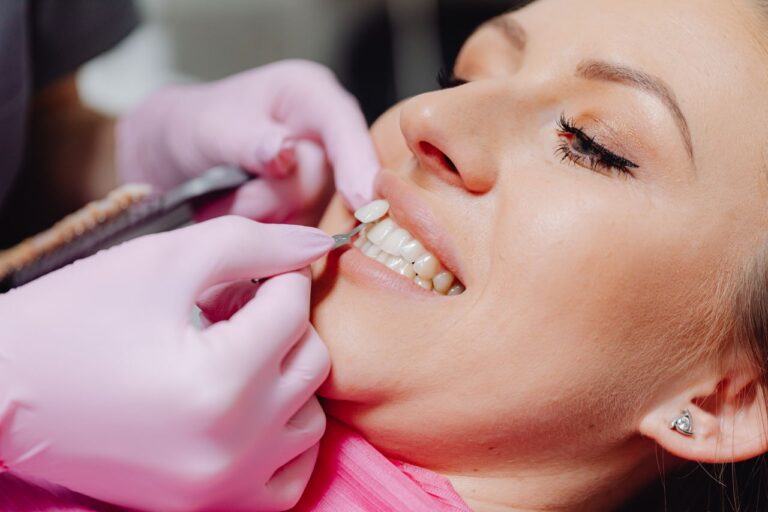
For decades, porcelain veneers were shrouded in a certain mystique — a cosmetic dentistry solution reserved for celebrities, guesswork sketches, and a fair amount of trial and error in the chair. Today, that picture has changed dramatically. Advances in digital imaging, 3D modelling and predictive design software have transformed veneers from an art of estimation into a precise, collaborative process between dentist and patient. Australians seeking a brighter, more balanced smile now have unprecedented visibility into what their results will look like before a single tooth is touched.
The Rise of Digital Smile Design
At the heart of this shift is digital smile design (DSD), a technology that allows dentists to map a patient’s facial structure, lip line and existing teeth to create a virtual preview of the finished smile. Using high-resolution photographs and video, clinicians can adjust tooth shape, size and shade on screen, giving patients a realistic sense of the outcome long before treatment begins. This eliminates much of the uncertainty that once accompanied veneer procedures and allows for meaningful feedback and refinement at every stage.
From Guesswork to Precision: 3D Scanning and CAD/CAM
Traditional veneer fittings often required uncomfortable putty impressions and multiple appointments to get proportions right. Intraoral scanners have replaced much of that process with fast, non-invasive digital impressions that feed directly into CAD/CAM systems. These systems allow ceramists to design and mill veneers with remarkable accuracy, reducing turnaround time and improving the fit against the natural tooth structure. The result is a smoother, more predictable experience with fewer adjustments needed at the final placement stage.
Personalisation Powered by Data
Modern veneer planning isn’t just about symmetry — it’s about designing a smile that suits an individual’s facial proportions, personality and lifestyle. Software platforms now analyse facial landmarks, golden ratio principles and even how a person speaks and smiles naturally, rather than applying a one-size-fits-all template. This data-driven approach means two patients with similar dental concerns may end up with quite different veneer designs, each tailored to complement their unique features.
Why Digital Planning Matters for Patients
For anyone weighing up cosmetic dental work, the psychological reassurance of seeing a preview cannot be overstated. Being able to visualise, adjust and approve a design in advance builds confidence and reduces the anxiety often associated with irreversible procedures. It’s little wonder that digital smile planning is changing the way patients approach porcelain veneers, giving them a sense of ownership over a decision that was once left largely in the dentist’s hands. Clinics offering this technology are increasingly seen as setting the benchmark for transparency and patient-centred care.
Durability Meets Aesthetics
Material science has kept pace with digital innovation. Newer generations of porcelain are thinner, stronger and more translucent, allowing for veneers that require minimal enamel reduction while still delivering a lifelike appearance. Improved bonding techniques and ceramic formulations mean today’s veneers are more resistant to chipping and staining, extending their lifespan well beyond earlier iterations. For patients, this translates to a smile that looks natural under different lighting conditions and holds up to the demands of everyday life.
The Growing Role of AI in Cosmetic Dentistry
Artificial intelligence is beginning to play a supporting role in treatment planning, helping practitioners predict how tissue and bone will respond to changes in tooth shape, and flagging potential complications before they arise. While AI won’t replace clinical judgement, it adds another layer of confidence to the planning process, helping dentists and patients arrive at decisions grounded in data rather than assumption.
Together, these technologies have turned what was once an unpredictable cosmetic procedure into a considered, visual and highly personalised journey — one where patients are active participants rather than passive recipients of a dentist’s vision.
Interestingly, the appeal of a well-planned smile extends beyond aesthetics alone. As wellness culture broadens its definition of health, more people are recognising that confidence and self-image play a genuine role in overall wellbeing — a reminder that modern wellness is no longer defined solely by physical strength, but increasingly includes how comfortable someone feels when they smile.
