


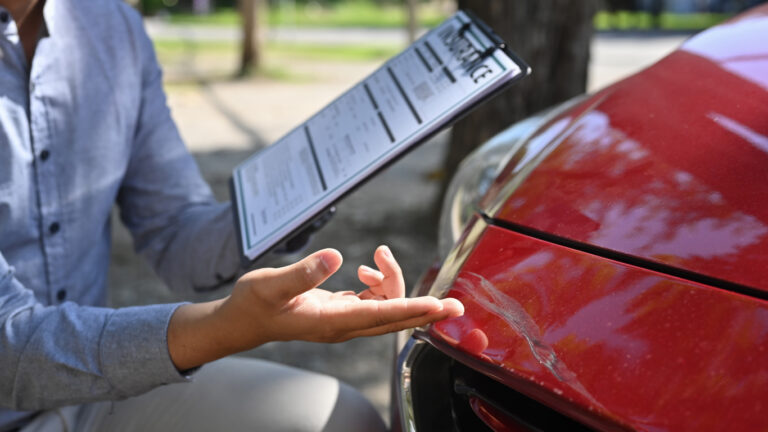
Getting into a car accident is stressful regardless of how minor it is. In the moment, most people experience a rush of adrenaline and uncertainty: Is everyone okay? Whose fault was it? What do I do now? The actions you take in the minutes and hours after an accident directly affect your safety, your legal position, and how smoothly your insurance claim is processed. Knowing what to do before it happens makes a big difference.
This guide walks through the correct sequence of actions after an accident, explains what to document, how to interact with the other party, and what to expect from the insurance claim process.
Step 1: Check for Injuries and Move to Safety
The first priority is always safety, not insurance. Check yourself and any passengers for injuries before anything else. If there are injuries, call 911 immediately. Do not try to move anyone who may have a spinal or neck injury unless the vehicle is in immediate danger (on fire or in oncoming traffic).
If the accident is minor and vehicles are blocking traffic, most states legally allow you to move the cars to the shoulder or a nearby parking lot, assuming the cars are driveable and no one is seriously hurt. Taking photos of the original positions before moving is a good idea if the situation allows. If the vehicles cannot be moved safely, turn on hazard lights and use cones or flares if available.
Step 2: Call the Police
Even for minor accidents, calling the police is strongly recommended. An official police report creates an objective record of the accident that is valuable when filing an insurance claim or if any dispute arises later. Some states require a police report for accidents above a certain damage threshold. Even in states where it is technically optional, having the report protects you.
When the police arrive, provide accurate, factual information. Do not speculate about fault or admit liability. Simply describe what happened from your perspective and let the officer document the scene. Request the incident number before the officer leaves.
Step 3: Document Everything at the Scene
Thorough documentation at the accident scene is the single most important thing you can do for your claim. Take photos and videos of:
- All vehicles involved, from multiple angles, showing the full extent of damage
- The license plates of all vehicles involved
- The overall accident scene, including road conditions, traffic signs, signals, skid marks, and debris
- Any visible injuries on yourself or passengers
- Weather and lighting conditions
- The positions of vehicles before any are moved, if possible
More documentation is always better. Photographs that seem unnecessary in the moment frequently become critical when a claim is disputed weeks later.
Step 4: Exchange Information with the Other Driver
Exchange the following information with every other driver involved:
- Full legal name
- Driver’s license number
- License plate number
- Insurance company name and policy number
- Contact phone number
- Make, model, and year of their vehicle
If there are witnesses to the accident, get their names and phone numbers as well. Witness accounts can be important in disputed liability situations.
A critical point on this step: do not discuss fault at the scene, either to accept it or to assign it to the other driver. Stick to factual information exchange. Even saying something like “I’m sorry, I didn’t see you” can be used as an admission of fault later. Leave the liability determination to the insurers and, if necessary, a court.
Step 5: Notify Your Insurance Company
Contact your insurer as soon as reasonably possible after the accident, ideally on the same day. Most insurers have 24-hour claims hotlines for exactly this reason. Prompt notification is a standard policy requirement, and delays in reporting can complicate the claims process.
When you report the accident, provide the information you collected: police report number, photos, other driver’s information, and a factual account of what happened. Your insurer will assign a claims adjuster who will be your primary contact through the process.
Step 6: Understand How the Claim Process Works
Liability Determination
Your insurer and the other driver’s insurer will both investigate the accident to determine liability. This involves reviewing the police report, examining vehicle damage, interviewing drivers and witnesses, and sometimes visiting the accident scene. This process can take anywhere from a few days to a few weeks depending on the complexity and whether liability is disputed.
Vehicle Damage Assessment
Once liability is established (or if you are filing under your own collision coverage), a claims adjuster or appraiser will assess your vehicle damage. You may be able to use an insurer-approved repair shop (which simplifies the process) or choose your own shop. Get repair estimates and keep all receipts. If your vehicle is declared a total loss (repair cost exceeds a percentage of the vehicle’s actual cash value), your insurer will offer a settlement based on the pre-accident market value of your car.
Medical Claims
If you or your passengers were injured, personal injury protection (PIP) or medical payments coverage (MedPay) on your policy covers initial medical costs regardless of fault. For more serious injuries, the at-fault driver’s bodily injury liability coverage may cover ongoing medical expenses. Keep complete records of all medical treatment, bills, and missed work. Do not rush to settle a medical claim before you understand the full extent of your injuries.
Rental Car Coverage
If your policy includes rental reimbursement coverage, you are entitled to a rental car while your vehicle is being repaired. Confirm the daily limit and maximum duration with your insurer before arranging a rental. If you do not have rental coverage, check whether the at-fault driver’s liability coverage will pay for your rental directly.
What Happens to Your Premium After a Claim
This is the question most people are anxious about. The honest answer is: it depends. At-fault accidents typically raise your premium at renewal, sometimes significantly. The impact depends on your insurer, your state, your prior claims history, and the severity of the accident. Minor at-fault accidents may have a smaller impact than major ones.
Not-at-fault accidents typically should not raise your premium, though in practice some insurers have been criticized for doing so in certain states. Some states have laws prohibiting premium increases for not-at-fault claims. Check your state’s regulations and your policy terms.
Some policies include accident forgiveness coverage, which prevents your first at-fault accident from raising your rate. If you have this coverage, confirm with your insurer that it applies before assuming your rate is protected.
Common Mistakes That Hurt Insurance Claims
- Leaving the scene before gathering documentation, even for minor accidents
- Admitting fault at the scene, even informally or apologetically
- Delaying notification to your insurer
- Accepting a quick settlement before fully understanding the extent of vehicle damage or injuries
- Failing to seek medical attention for injuries that seem minor initially but worsen later
- Not keeping organized records of all expenses, communications, and documents related to the claim
Frequently Asked Questions
Should I file a claim for minor damage? Not necessarily. If the damage is minor and repair costs are close to or below your deductible, paying out of pocket avoids the claim surcharge on your premium. Get a repair estimate before deciding.
What if the other driver has no insurance? Uninsured motorist coverage on your own policy covers this scenario. If you do not have uninsured motorist coverage, you would need to sue the other driver personally, which is often impractical. This is one of the strongest arguments for carrying uninsured motorist coverage.
How long does a claim stay on my record? Typically three to five years, depending on the state and insurer. After the claim ages off, it no longer affects your rate.
For real experiences from drivers who have navigated accident claims, insurer disputes, and the claims process, the car insurance reddit community has detailed firsthand accounts that can help you understand what to expect.
