


Wearable technology has quietly become one of the most powerful tools in modern personal injury litigation, and most Floridians have no idea it’s happening.
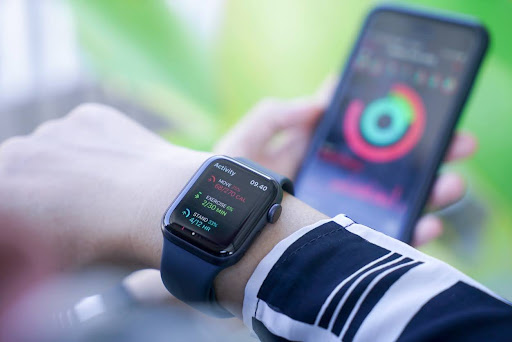
If you wear an Apple Watch, a Fitbit, or an Oura Ring, you’re carrying a 24/7 health data recorder on your wrist. That device logs your steps, heart rate, sleep cycles, activity levels, blood oxygen, and even stress indicators throughout every single day. In a car accident, slip-and-fall, or any other personal injury claim, that data can be the difference between a fair settlement and a denied claim.
Your Wearable Is a Witness For Better or Worse
Think of your smartwatch as a silent, objective witness that was present at the scene and every moment after. Unlike human witnesses, it doesn’t forget details. The data it records tells a story, and that story will be interpreted by both your legal team and the opposing side.
How wearable data helps your case:
After a serious accident, victims commonly suffer injuries that affect their mobility, sleep, and daily functioning. Wearable data can document all of this objectively:
- A sharp drop in daily step count after an accident proves reduced mobility
- Elevated resting heart rate and disrupted sleep cycles can corroborate claims of pain, anxiety, or trauma
- Pre-accident baselines establish your normal health activity, making post-accident deterioration measurable and undeniable
According to research from the National Library of Medicine, wearable devices produce clinically meaningful health data that increasingly holds up in medical and legal contexts. Courts across the United States have already begun accepting smartwatch data as admissible evidence in personal injury and disability cases.
How wearable data can hurt your case:
The same data that supports you can also be weaponized against you. Insurance companies and defense attorneys are increasingly sophisticated about requesting wearable health records during discovery. If your Fitbit shows you hitting 8,000 steps the day after you claimed you could barely walk, that inconsistency will be used against you regardless of context.
Florida Law and Digital Health Records
Florida is one of many states where digital health data, including data from consumer wearables, can be subpoenaed or requested in civil litigation. Under Florida’s Rules of Civil Procedure, electronically stored information (ESI) is broadly discoverable, which means your Apple Watch data is not automatically private in a lawsuit.
The Federal Trade Commission has published guidance on how consumer health data from wearables is handled and what protections (and gaps) exist at the federal level. Unlike medical records covered by HIPAA, most wearable health data is governed by the device maker’s privacy policy, not federal patient protections. That means insurance companies may have more avenues to access it than you’d expect.
This makes it critical to consult with respected counsel in Lake Worth immediately after an accident, before you make any statements, authorize data releases, or allow your device to sync.
What You Should Do Immediately After an Injury
- Preserve your wearable data: Do not reset, delete, or stop using your device after an accident. Your pre-accident baseline is just as important as your post-accident data. Export and back up your health data from the app (Apple Health, Fitbit app, or Oura app) as soon as possible.
- Avoid over-activity: Well-intentioned efforts to “push through the pain” can generate data your attorney will later have to explain away. Document your actual limitations with your doctor, not just your device.
- Consult an attorney before sharing any data: Never voluntarily provide your wearable data to an insurance adjuster without legal guidance. Your attorney needs to assess the full picture of what your data shows before it enters the legal record.
- Keep medical appointments consistent with your device data: If your Oura Ring is showing poor sleep and elevated heart rate variability, make sure you’re discussing these symptoms with your physician. Medical records that align with wearable data create a stronger, more cohesive case.
The Role of Expert Analysis
Raw step counts and heart rate graphs mean little without proper context. Personal injury attorneys work with medical experts and digital forensics professionals who can interpret wearable data correctly, accounting for variables like medications, pre-existing conditions, seasonal changes in activity, and device accuracy limitations.
The Centers for Disease Control and Prevention provides published benchmarks for healthy adult activity levels, which attorneys can use to contextualize how far below normal a victim’s post-injury activity fell. Expert witnesses who understand both the medical and technological dimensions of wearable health data are becoming standard in serious personal injury cases.
Why Legal Guidance Matters More Than Ever
The intersection of consumer technology and personal injury law is evolving fast. Attorneys who don’t understand wearable data risk leaving significant evidence on the table or worse, allowing damaging data to go unaddressed.
If you’ve been injured in Lake Worth or anywhere in South Florida, the legal team understands how modern evidence, including health tech data, shapes today’s personal injury claims. Their attorneys can help you preserve the right data, counter misuse of your health records, and build the strongest possible case.
The technology on your wrist may already be building your case. Make sure it’s working in your favor.
