

Close Menu
The Preston MagazineThe Preston Magazine
    What's New

    Breaking Into the Insurance Industry: How to Land an Insurance Specialist Role in Tucson, AZ

    July 6, 2026

    How instant solar reports help homeowners make better energy decisions

    July 6, 2026

    Why Timely Brake Pad and Rotor Replacement Keeps Drivers Safer

    July 6, 2026

    The Shift Toward Early Investment: Young Buyers Redefining Dubai Real Estate

    July 6, 2026

    5 Use Cases for Pipe Cutting and Beveling Equipment or Machines

    July 6, 2026
    Facebook X (Twitter) Instagram Pinterest
    The Preston MagazineThe Preston Magazine
    • Home
    • Business
    • Celebrity
    • Crypto
    • Fashion
    • Lifestyle
    • News
    • Tech
    • Travel
    • Contact Us
    The Preston MagazineThe Preston Magazine
    You are at:Home»Guide»Why Timely Brake Pad and Rotor Replacement Keeps Drivers Safer
    Guide

    Why Timely Brake Pad and Rotor Replacement Keeps Drivers Safer

    AdminBy AdminJuly 6, 2026No Comments8 Mins Read
    Why Timely Brake Pad and Rotor Replacement Keeps Drivers Safer
    Share
    Facebook Twitter Pinterest WhatsApp Email

    Your vehicle uses a complex network of parts to convert kinetic energy into thermal energy safely and effectively. Every time you push the pedal, several components work in unison to bring the car to a halt. Understanding this process helps emphasize why proper brake pad and rotor replacement is vital for reliable performance on the road.

    How brake pads create friction

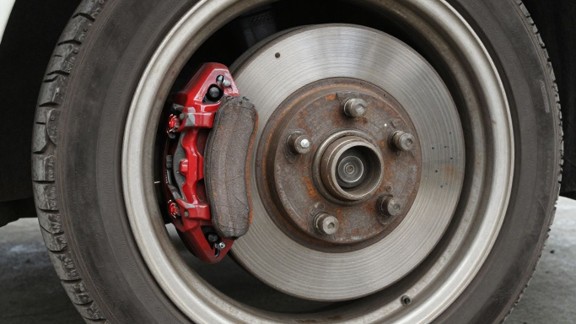
    Brake pads contain a specific material that exerts pressure against the spinning metal of the rotors. As they clamp down, the kinetic energy of the moving vehicle translates into heat through the friction generated between the two surfaces. Over time, this intense contact causes the pad material to thin out and eventually lose its ability to grip effectively.

    The role of rotors in heat dissipation

    Rotors are the heavy metal discs that rotate with the wheel assembly while your vehicle moves. They act as a massive heat sink that absorbs the energy generated by the pads during braking. If they become too thin or damaged from excessive wear, they cannot dissipate heat correctly, which can lead to brake fade.

    Calipers and their function in pressure application

    Calipers contain the hydraulic pistons that push your pads against the rotor surface. When you engage the brake pedal, fluid is forced into the caliper, triggering this physical clamping action. Jiffy Lube performs a visual inspection of the brake system, measuring pads to provide necessary service recommendations based on your vehicle’s condition.

    Signs it is time for a brake pad and rotor replacement

    Ignoring the early warning signs of brake wear puts unnecessary strain on your entire vehicle assembly. You should remain alert for subtle changes in how the car behaves during day-to-day driving. Promptly addressing these issues keeps your braking system in peak working order.

    Audible warnings like squealing or grinding

    High-pitched squealing often indicates that the built-in wear indicators are touching the rotor. If you ignore this sound and allow the pad material to vanish completely, you will hear a harsh metal-on-metal grinding noise. This grinding signifies that damage to the rotor, which is significantly more expensive to resolve, has likely already occurred.

    Changes in brake pedal feel and resistance

    A squishy or unresponsive pedal feel suggests that air could be trapped in your lines or that the pads are dangerously thin. If the pedal travels further toward the floor than normal, it is time to have your system checked immediately. The chart below shows signs of wear and their potential causes.

    Observation Likely Cause Recommended Action
    High-pitched Squeal Pad Indicator Replace Pads
    Grinding Noise Metal Contact Replace Pads/Rotors
    Soft Brake Pedal Fluid/Air Issues Flush or Inspection


    These symptoms provide essential feedback about the health of your braking hardware. Always prioritize a quick inspection if your pedal behavior changes significantly.

    Visible signs of wear on the rotor surface

    If you can see the rotors through your wheel spokes, look for deep grooves or blue-tinted heat spots. A smooth, shiny surface with no visible scoring is ideal for safe stopping power. If you notice structural irregularities, the rotors may require professional attention or replacement.

    The safety risks of ignoring brake maintenance

    Neglecting your vehicle maintenance routine creates hazardous conditions for everyone on the road. The braking system relies on precise friction levels to decelerate the vehicle securely in traffic. Keeping these parts in good condition is non-negotiable for anyone who values consistent vehicle control.

    Increased stopping distances in emergency scenarios

    When your pads are worn thin, the time it takes to stop your vehicle increases substantially. This delay can prove disastrous during sudden stops or heavy traffic conditions where reaction times are already stretched. Maintaining adequate pad thickness ensures that your stopping power remains predictable and safe.

    Loss of brake system integrity at high speeds

    High-speed braking generates intense heat that can overwhelm a neglected brake system. If the components are worn past their tolerance, they may crack or deform under the stress of rapid deceleration. This failure inevitably leads to a complete loss of stopping power when you need it most.

    Potential for uneven braking performance

    Uneven wear means one side of your vehicle might bite harder than the other during a stop. This imbalance causes the car to pull to one side, forcing you to fight the steering wheel while trying to stop. Keeping all components balanced helps prevent these dangerous navigational shifts.

    Differences between pads and rotors in the maintenance cycle

    Understanding why components wear at different rates helps you manage your repair expectations more effectively. While pads are designed to be sacrificed, rotors are built for long-term endurance. Firestone Complete Auto Care offers services such as resurfacing or replacing rotors as needed to ensure optimal vehicle safety throughout the cycle.

    Why pads wear faster than rotors

    Brake pads are constructed from softer materials that naturally abrade over time to protect the more permanent rotor. This intentional design ensures that the most accessible part takes the brunt of the friction force. Keep these items in mind regarding your service cycle:

    • Pads are typically replaced every 30,000 to 70,000 miles.
    • Rotors often last through two or more full pad changes.
    • Driving in heavy traffic increases wear on both parts faster.
    • Quality of material directly dictates the lifespan you experience.

    These estimates vary based on your specific vehicle type, but pads will almost always require maintenance first. Keeping track of these recurring needs helps you budget and plan for future appointments.

    The concept of rotor resurfacing versus replacement

    If your rotors have enough thickness remaining, a technician may be able to machine the surface to remove minor imperfections. This process restores a smooth surface for the pads to grip, extending the life of the existing part. If the rotor is too thin or deeply scored, complete replacement is the only way to ensure safety.

    Syncing replacement intervals for optimal performance

    Ideally, you want to coordinate your service appointments to avoid making multiple trips to the shop. By checking rotors whenever you decide to address your pads, you can make informed decisions about whether to service both at once. This synchronization minimizes the downtime for your vehicle and keeps your braking force balanced.

    Factors influencing brake pad and rotor longevity

    Every driver subjects their braking system to different external forces that impact useful life. Factors such as your typical commute and the load your vehicle carries play a massive role in component fatigue. Managing these variables can often lead to significantly longer intervals between necessary garage visits.

    Driving habits and local environmental conditions

    Frequent stop-and-go driving in cities accelerates wear compared to steady highway cruising. Additionally, living in hilly terrain forces your brakes to do much more work to maintain control on descents. Harsh weather conditions, including heavy moisture or road salt, can also promote corrosion on the metal parts of your assembly.

    The impact of vehicle weight and frequent towing

    Heavier vehicles require more force to slow down, which increases the load on your pads and rotors. If you frequently tow trailers or carry heavy payloads, the added momentum puts immense strain on your braking system during operation. This increased demand significantly shortens the lifespan of even premium-grade replacement parts.

    Quality of materials in replacement parts

    Choosing performance-oriented pads or rotors can result in better heat tolerance and longer durability over time. Lower-cost parts might seem better for your budget initially but they often require more frequent replacements due to inferior heat dissipation. Investing in higher-quality components usually yields better reliability and confidence during everyday use.

    Best practices for extending the life of your brakes

    Maintenance is not just about repairs when things break, but also about preventative care to prolong the system lifespan. A few smart adjustments to your habits can preserve your hardware for thousands of extra miles. Taking care of these details allows you to drive with complete peace of mind.

    Practicing gradual and smooth deceleration

    Avoid slamming on your brakes whenever possible by scanning the road ahead and coasting when you see upcoming stops. Allowing the vehicle to decelerate naturally before you apply the pedal reduces the kinetic energy that the system must convert into heat. Smooth pedal pressure prevents the excessive temperature spikes that lead to premature component failure.

    Importance of regular brake fluid flushes

    Old brake fluid can accumulate moisture, which eventually causes internal damage to your calipers and lines. Jiffy Lube offers a brake fluid exchange service to remove contaminated fluid and replenish it with fresh liquid meeting manufacturer specifications. This clear and clean fluid ensures consistent hydraulic pressure across all your brakes.

    Professional inspections during routine tire rotations

    Integrating brake system checks into your regular tire rotation schedule is a highly efficient way to stay informed. A quick visual inspection by a qualified professional can catch irregular wear patterns before they turn into noisy grinding issues. Staying proactive keeps your costs down and simplifies your overall fleet maintenance schedule.

    Conclusion

    Taking care of your braking system is a necessary habit for any responsible vehicle owner. By paying attention to the signs of wear, scheduling regular inspections, and driving with mindfulness, you can keep your car stopping safely for many years to come. Consistency is key to avoiding major repairs and ensuring every drive ends as safely as it begins.

    Share. Facebook Twitter Pinterest LinkedIn Tumblr Email Copy Link
    Admin
    • Website

    Related Posts

    Breaking Into the Insurance Industry: How to Land an Insurance Specialist Role in Tucson, AZ

    By AdminJuly 6, 2026

    5 Use Cases for Pipe Cutting and Beveling Equipment or Machines

    By AdminJuly 6, 2026

    How a Naturopathic Doctor Bothell Supports Wellness

    By HoneyLinkersJuly 3, 2026

    Mistakes to Avoid When Filing a Mesothelioma Lawsuit in New York

    By AdminJuly 2, 2026
    Latest Posts

    Breaking Into the Insurance Industry: How to Land an Insurance Specialist Role in Tucson, AZ

    By AdminJuly 6, 2026

    Tucson, Arizona has quietly emerged as one of the Southwest’s most promising job markets for…

    How instant solar reports help homeowners make better energy decisions

    July 6, 2026

    Why Timely Brake Pad and Rotor Replacement Keeps Drivers Safer

    July 6, 2026

    The Shift Toward Early Investment: Young Buyers Redefining Dubai Real Estate

    July 6, 2026

    5 Use Cases for Pipe Cutting and Beveling Equipment or Machines

    July 6, 2026
    Follow Us
    • Facebook
    • Twitter
    • Pinterest
    • Instagram
    Most Popular

    Shaelyn Cado Killam: What We Know About Cobie Smulders’ Teen Daughter

    By AdminApril 22, 2026

    What Happened to Paul Edward Hospenthal? Danica Patrick’s Ex-Husband Today

    By AdminApril 24, 2026

    A Complete Guide to Professional Exterior Cleaning, Property Maintenance, and Deep Surface Restoration Solutions

    By Prime StarJuly 6, 2026
    About Us

    The Preston Magazine is an online magazine that shares simple and fun stories about life in Preston and nearby places. We write about food, music, travel, local people, events, small businesses, and everyday life. We love sharing new ideas, kind people, and fun things happening in the community. Our goal is to make stories easy to read, clear, and enjoyable for everyone. Whether you live in Preston or are just curious, The Preston Magazine is here to help you feel connected and informed in a friendly way.

    Most Popular

    Irrigation Company: Modern Water Management Solutions for Efficient Farming, Landscaping, and Sustainable Growth

    July 6, 2026

    The Real Story of Marge Cooney, Phil Donahue’s Ex-Wife

    March 13, 2026
    Recent Posts

    Breaking Into the Insurance Industry: How to Land an Insurance Specialist Role in Tucson, AZ

    July 6, 2026

    How instant solar reports help homeowners make better energy decisions

    July 6, 2026
    Facebook X (Twitter) Instagram Pinterest
    • Home
    • About Us
    • Privacy Policy
    • Contact Us
    © 2026 The Preston Magazine All Rights Reserved

    Type above and press Enter to search. Press Esc to cancel.