


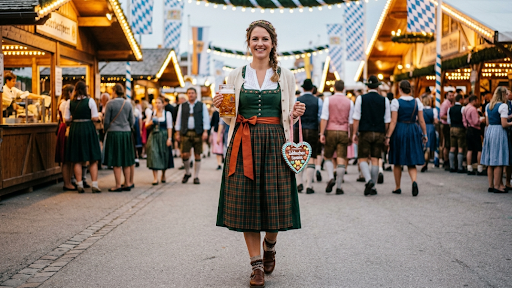
For women planning their 2026 Oktoberfest attendance, selecting the right dirndl dress oktoberfest configuration involves multiple decisions that affect both the photograph results and the practical festival experience. Length selection, color choice, material considerations, blouse coordination, and complete ensemble assembly all matter for creating dirndl dress ensembles that photograph beautifully across the 4K photography and video that captures modern Oktoberfest experiences. Understanding these considerations helps ensure your dirndl dress purchase delivers the results you’re expecting for your specific Oktoberfest attendance.
The 2026 Oktoberfest season represents ideal opportunity to invest in quality dirndl dress that serves not just single-event festival attendance but multi-year Bavarian heritage engagement. Whether attending Munich Oktoberfest itself, American regional celebrations across cities including Cincinnati, Frankenmuth, Denver, LaCrosse, Helen, and Mount Angel, or international Oktoberfest events across other countries, quality dirndl dress selection creates ensembles that photograph beautifully and support authentic Bavarian cultural engagement across the annual calendar.
Length Selection for Different Festival Contexts
Dirndl dress comes in three primary length variations, each suited to specific Oktoberfest contexts and personal styling preferences. Mini dirndl reaching above the knee (typically 48 to 60 centimeters skirt length) works well for younger wearers, casual festival attendance, and contexts where contemporary Bavarian styling matches the atmosphere. The mini length reads as trendy and youthful while remaining within authentic dirndl construction principles.
Midi dirndl reaching just below the knee (approximately 70 centimeters) represents the classic Oktoberfest length worn by the majority of festival attendees. This length balances traditional elegance with practical wearability, works across most festival contexts from casual afternoon attendance through elegant evening events, and represents the safest first-purchase choice for buyers wanting universal appropriateness across various Oktoberfest activities and settings.
Long dirndl reaching approximately ankle-length (typically 90 centimeters or longer) provides the most elegant traditional configuration for formal Oktoberfest events including elegant evening celebrations, formal Bavarian ceremony contexts, and specific traditional occasions where maximum elegance suits the elevated context. Long dirndl reads as substantially more formal than shorter alternatives and suits specific formal contexts within the broader Oktoberfest attendance calendar.
Color Selection Strategy
Color selection affects both the visual character of your dirndl dress and how it coordinates with the overall Oktoberfest atmosphere. Traditional colors including deep green, rich red, elegant black, and royal blue work universally across Bavarian cultural contexts and photograph beautifully in the varied lighting conditions of Oktoberfest attendance. These colors carry traditional character while working with typical Oktoberfest photography settings.
Softer pastels including pink, lavender, cream, and light blue provide alternatives that suit elegant formal contexts and personal aesthetic preferences. Pastel dirndl dresses read as more elegant and refined than bolder traditional colors, working particularly well for buyers preferring feminine aesthetic character. Pastel colors also photograph beautifully in natural outdoor lighting typical of daytime Oktoberfest attendance.
Coordinating your dirndl color with personal characteristics including skin tone, hair color, and personal styling preferences helps ensure the finished ensemble looks its best on you specifically. Warm skin tones suit warmer colors (red, orange, warm greens, coral); cooler skin tones suit cooler colors (blue, purple, cool greens, mint). Personal preferences remain the primary guide within these general principles.
Materials and Their Practical Impact
Material selection affects both aesthetic character and practical festival experience. Cotton represents the most common and practical material for Oktoberfest dirndl, providing comfortable breathability across long festival days, appropriate weight for authentic drape, and easier care for handling inevitable festival staining. Quality cotton dirndl construction serves most Oktoberfest attendance contexts appropriately.
Linen dirndl construction offers premium alternatives providing enhanced cooling properties for warm-weather festival attendance. Linen delivers different tactile experience than cotton and reads as somewhat more elegant while maintaining practical wearability. Cotton-linen blends combine advantages of both materials, providing enhanced cooling with cotton’s easier care properties.
Wool dirndl construction serves cooler-weather festival attendance particularly well, providing substantial warmth and heritage character suited to late-September and October events when Munich weather can turn cool. Wool construction reads as traditional and elegant while providing practical warmth for chilly evening festival attendance.
Silk dirndl construction represents premium options for elevated Oktoberfest contexts including formal evening events and specific ceremonial occasions. Silk provides elegant character exceeding what cotton or linen deliver but requires more careful handling and professional cleaning rather than home washing. Silk suits specific formal contexts within Oktoberfest attendance rather than standard festival wear.
Blouse Coordination
The Dirndlbluse (dirndl blouse) worn beneath the bodice significantly affects the finished ensemble character. Different neckline styles including round, square, heart, and Carmen configurations work with different bodice constructions and suit different personal aesthetic preferences. Understanding which blouse suits your specific dirndl construction ensures proper visual coherence.
White cotton blouses work universally with most dirndl constructions, providing appropriate traditional character while accommodating the practical realities of festival wear. Lace blouses provide elevated elegance suited to formal contexts, though lace requires more careful handling than plain cotton. Colored blouses in soft tones can work in specific coordinated ensembles but require careful color coordination to avoid clashing with the dirndl.
Sleeve length depends on the season and specific event context. Short-sleeve blouses work for warm-weather festival attendance and standard Oktoberfest contexts. Long-sleeve blouses provide additional coverage for cooler weather or more formal contexts. Elbow-length sleeves represent a middle-ground option working across various contexts.
Complete Ensemble Assembly
Beyond the dirndl dress and blouse, complete clothing for oktoberfest ensemble requires additional coordinating pieces. Traditional stockings appropriate to season and context complete the leg portion of the ensemble. Cotton or wool stockings in cream, off-white, or specific traditional patterns work well with most dirndl constructions.
Traditional Bavarian footwear including Mary Janes, quality leather flats, or lace-up ankle boots anchors the ensemble visually. The specific footwear selection depends on the context — Mary Janes for elegant events, quality flats for standard festival attendance, and ankle boots for cooler weather or specific traditional configurations. Standard fashion shoes undermine even quality dirndl ensembles by breaking the traditional visual coherence.
Traditional jewelry including Edelweiss pendants, small heart pendants (matching the Bavarian gingerbread hearts sold at Oktoberfest), and specific regional heritage pieces adds finishing character. Simple traditional jewelry works for casual festival attendance; elaborate pieces suit formal contexts. Personal preference and family heritage guide specific selection within these general principles.
Optional headwear including small hats, flower crowns, and specific traditional hair accessories provides additional character. Traditional flower crowns (Blumenkranz) featuring Alpine flowers add particularly attractive festival character and photograph beautifully in outdoor Oktoberfest settings. Small Bavarian hats provide alternative traditional character particularly for cooler weather.
Practical Considerations for Long Festival Days
Complete dirndl dress ensemble should support practical Oktoberfest attendance across full 8-hour-plus days rather than being purely photograph-focused. Comfortable footwear matters significantly given substantial walking around fairgrounds, extended standing during socializing, and general activity across festival days. Breaking in shoes across several shorter wearings before festival prevents blister issues.
Temperature management across the day matters for Bavarian autumn weather ranging from warm afternoon sunshine to cooler evenings. Layering options including light cardigan or wool jacket for evening cooling, appropriate blouse weight suited to expected conditions, and awareness of typical Munich late-September weather patterns supports comfortable full-day attendance.
The apron knot positioning follows universal Alpine convention (left = single, right = taken, front = virgin or undecided, back = widow or waitress). Understanding this convention and positioning the apron appropriately signals your relationship status to fellow attendees. Some wearers unaware of the convention position the apron randomly, which can cause unintended miscommunication in the traditional Alpine social context.
Where Dirndl Dress Belongs
Beyond Munich Oktoberfest itself, dirndl dress works across substantial calendar of events throughout the year. Regional Oktoberfest celebrations across the United States, Canada, Australia, and internationally welcome quality dirndl construction as appropriate festival attendance wear. The multiple annual attendance opportunities within any given autumn season distribute the value of quality dirndl investment across multiple wear events.
Beyond September-October primary Oktoberfest season, quality dirndl works at various themed events including Fasching celebrations, Bavarian heritage weddings, family German-American gatherings, cultural festivals throughout the year, and beer garden dining at authentic Bavarian restaurants. Building complete quality dirndl ensemble supports Bavarian heritage engagement across the broader annual calendar rather than being confined to single-season use.
Frequently Asked Questions
What length dirndl dress is best for Oktoberfest? Midi length (below knee) represents the safest choice, working across all festival contexts. Mini for casual younger-focused; long for elegant formal.
What color should I choose? Traditional colors (green, red, black, blue) work universally. Pastels suit elegant contexts. Coordinate with your skin tone and personal preferences.
Cotton or silk for Oktoberfest? Cotton for standard festival practical wear. Silk for specific elegant formal contexts within Oktoberfest attendance.
Where should I tie the apron bow? Follow traditional convention: left = single, right = taken, front = virgin/undecided, back = widow/waitress.
How do I know what size to order? Careful measurement of bust, waist, and hip. Quality retailers provide detailed size charts. Sizing sometimes differs from standard clothing sizing.
What shoes should I wear with dirndl? Mary Janes, quality leather flats, or lace-up ankle boots. Traditional Bavarian footwear anchors the ensemble visually.
For women selecting dirndl dress oktoberfest options in 2026, understanding length, color, material, and coordination considerations helps ensure your purchase creates ensembles that photograph beautifully and support authentic festival experience. Quality authentic construction combined with appropriate blouse, traditional footwear, coordinated jewelry, and complete clothing for oktoberfest ensemble assembly delivers dirndl dress configurations working across multiple annual Oktoberfest attendance events. Whether attending Munich, American regional celebrations, or international events, quality dirndl dress selection creates authentic Bavarian ensembles supporting real festival experience rather than costume-focused approximation.
