


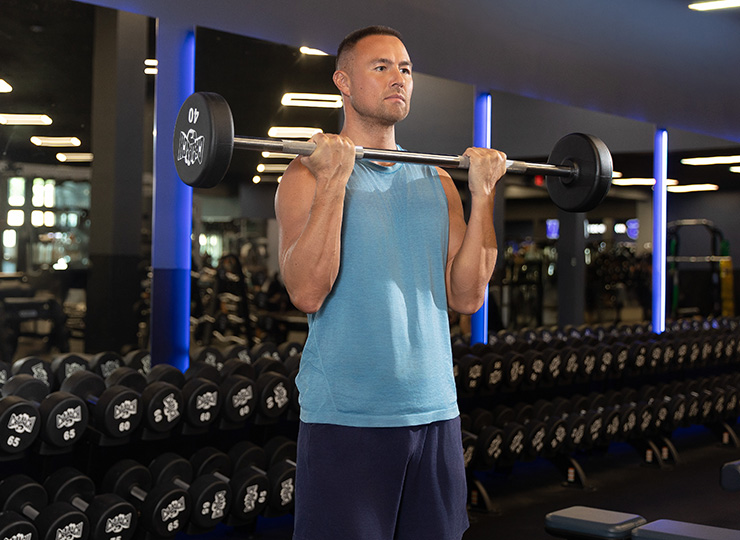
To lose weight, you need to do more than simply eat less. A common mistake people make when they start trying to lose weight is rushing to the gym with great enthusiasm, spending hours there every day, and then becoming disappointed when the results do not match their expectations. A more effective approach is to exercise smartly and combine suitable weight loss exercises with a realistic daily routine.
With this guide, you will learn how exercise supports fat loss, which activities to include, and how to fit them into a daily routine. You can also explore AH7.fit for general fitness information and browse its exercise guides when planning workouts that suit your ability and schedule.
The Science of Losing Weight
Weight loss occurs when the body uses more energy than it consumes over time. However, the process is influenced by more than a simple calculation. Metabolism, physical activity, food intake, sleep, stress, medication, and individual health conditions can all affect progress.
Exercise increases the amount of energy the body uses and provides benefits beyond the number on the scale. It can improve cardiovascular fitness, strength, mobility, mood, and sleep. Building or preserving muscle through strength training may also help maintain daily energy expenditure during weight loss.
A good workout programme therefore includes different types of exercise rather than relying on only one activity.
The Role of Cardio in Weight Loss
Many people beginning a weight-loss journey think of cardio first. Cardio exercises include activities that raise the heart rate, such as walking, cycling, running, swimming, and jumping rope. These activities use large muscle groups and can increase calorie expenditure while improving heart and lung fitness.
A good starting point for beginners is a brisk 20- to 30-minute walk. As fitness improves, workouts can gradually become more challenging by adding time, pace, hills, short jogging intervals, or cycling sessions.
Cardio is useful, but a daily exercise routine should include more than cardio alone. Combining it with strength training and adequate recovery creates a more balanced plan.
Strength Training: The Missing Piece in Fat Loss
Beginners sometimes avoid strength training because they believe it is too difficult or time-consuming. In reality, it can be adapted to almost every fitness level and is an important part of a balanced weight-loss programme.
Exercises such as squats, push-ups, rows, and lunges help maintain and build muscle. This is valuable during weight loss because losing muscle can reduce strength and may lower daily energy expenditure.
You do not have to join a gym to strength train. Bodyweight exercises and resistance bands can be used at home. When performed correctly and consistently, they can improve strength and support changes in body composition.
The Importance of Consistency
One of the most common mistakes people make when losing weight or building strength is starting too quickly and training too intensely. This can cause excessive fatigue, discomfort, or burnout.
A better approach is to build a routine gradually. Consistent moderate activity is usually more sustainable than a highly intense workout performed only occasionally.
Think of exercise as a regular habit. Your routine should be manageable enough to repeat while still providing an appropriate challenge.
Constructing an Effective Routine
An effective routine can include cardio, strength training, flexibility or mobility work, and recovery. These activities do not all need to be performed intensely every day.
For example, a session may begin with a short dynamic warm-up, continue with a walk or another form of cardio, and include strength exercises that target different major muscle groups.
Balance matters. Some sessions can focus more on cardio, while others can focus on strength. Variation can challenge the body, reduce boredom, and allow trained muscles time to recover.
Debates about the best time to exercise are endless. In practice, the best time is usually the time you can follow consistently.
Morning workouts may help some people complete exercise before the day becomes busy. Others may feel stronger or more flexible later in the day. Both options can work, so choose the schedule that best fits your energy levels and responsibilities.
Rest and Recovery Are Important
A daily movement routine does not require a hard workout every day. Rest and recovery play an important part in progress and should not be overlooked.
Include lighter days, gentle walking, mobility work, or complete rest when needed. Listen to your body. If you are unusually fatigued or very sore, reduce the intensity or take additional recovery time.
Motivation can help you begin, but habits are more dependable over the long term. A routine that fits your life is easier to maintain than one that depends on feeling motivated every day.
If your goal is weight loss, monitor changes over time. Scale weight can fluctuate from day to day, so weekly trends, waist measurements, workout performance, clothing fit, and energy levels may provide a more complete picture of progress.
Making workouts enjoyable can also improve consistency. Walking, cycling, dancing, home workouts, weight training, and gym sessions are all possible options. What matters is choosing safe activities that you are willing to repeat.
What About Nutrition?
The results of a workout plan can be limited by eating habits that do not support the same goal. Exercise and nutrition work together, but extreme diets are not necessary.
Aim for a balanced eating pattern that includes vegetables, fruit, whole grains, and suitable protein sources while paying attention to portions and highly processed foods. Small, sustainable dietary changes can have a meaningful long-term effect.
Common Weight-Loss Exercise Mistakes
Common mistakes include skipping the warm-up, having no clear goal, neglecting strength training, increasing intensity too quickly, and abandoning the plan when progress is slower than expected.
Avoid copying another person’s programme without considering your own fitness level, schedule, health, and recovery. A simple plan followed consistently is generally more useful than an extreme short-term routine.
Making Routine Changes for Life
Improved health and sustainable weight management are long-term goals. Instead of relying on short bursts of effort, make physical activity part of your regular routine—for example, walking during a break or completing a short workout at a consistent time.
Over time, you may notice improvements in fitness, strength, energy, and overall well-being. These changes can help you remain motivated even when weight loss is gradual.
Try not to make the process more complicated than it needs to be. Balance, consistency, appropriate nutrition, and recovery are key.
FAQs
- Which activities can help beginners improve their health and lose weight?
Walking is an accessible starting point. Cycling, swimming, bodyweight exercises, and resistance training can also be effective when matched to the person’s ability.
- How much time should you spend exercising?
Beginners may start with 20 to 30 minutes on several days each week. Adults are generally advised to work toward 150 to 300 minutes of moderate aerobic activity per week, or the vigorous equivalent, plus muscle-strengthening activity on at least two days.
- Can exercise alone lead to weight loss?
Exercise can contribute to weight loss, but combining it with appropriate nutrition usually produces more reliable results. Exercise also provides important health benefits even when weight loss is modest.
- Can you work out every day?
You can move every day, but every session should not be intense. Alternate harder workouts with low-intensity activity or rest, and allow trained muscle groups sufficient time to recover.
- When should I expect to see results?
Results depend on diet, consistency, starting fitness, sleep, health, and individual biology. Some fitness improvements may appear within several weeks, while visible body changes can take longer.
- Do I need a gym to perform effective weight-loss exercises?
No. A gym can provide useful equipment, but walking, bodyweight movements, and resistance-band exercises can be performed at home. Consistency and appropriate progression are more important than location.
Health note: This article provides general educational information and is not a substitute for personalised medical advice. People who are pregnant, have an injury or chronic condition, or have been inactive for a long period should consult an appropriate healthcare professional before beginning a new exercise programme.
