


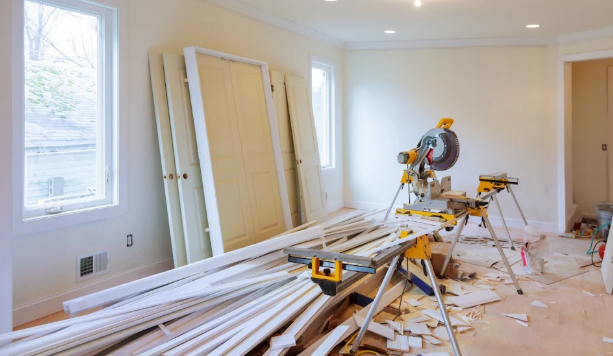
Every property owner eventually faces the same fork in the road: keep patching up what’s already there, or commit to a proper renovation and do it right. It’s rarely an easy call, especially in a market like Dubai, where property values shift quickly, and renovation costs can vary wildly depending on scope, materials, and who’s doing the work. Understanding when property renovation in Dubai actually pays for itself, rather than just looking good on paper, requires weighing a handful of practical factors most owners don’t think through until they’re already halfway into a project.
The Age and Condition Threshold
Not every property needs renovation, and understanding where a building sits in its lifecycle can help owners spend more wisely. Homes under ten years old often need little beyond cosmetic improvements such as fresh paint, updated fixtures, or a kitchen refresh. Between ten and twenty years, less visible systems may begin to deteriorate, including electrical wiring, HVAC equipment, and internal plumbing.
This stage can be an ideal time for planned upgrades because replacing ageing systems during renovation is often more manageable than dealing with sudden failures later. For example, replacing an ageing HVAC unit before it breaks down can help avoid emergency repair costs, limited contractor availability, and prolonged disruption. Renovation, therefore, is not always about appearance. Sometimes, it is about preventing tomorrow’s expensive problems.
Rental Yield and Market Positioning
For investment properties, renovation should be viewed through the numbers. The key question is whether higher rent or resale value can justify the money spent on improvements.
- Compare costs and returns: Estimate how much additional income the renovation could generate.
- Study comparable units: Check renovated and unrenovated properties in the same building or community.
- Prioritise visible improvements: Updated kitchens, bathrooms, flooring, and fixtures can influence tenant decisions.
- Look for consistent premiums: A rental gap that continues across multiple cycles offers stronger evidence than a temporary price difference.
- Calculate recovery time: Consider renovation costs, expected rental uplift, occupancy, and the time needed to recover the investment.
Comparing Renovation Cost Against Full Replacement Value
Before committing to property renovation in Dubai, owners should compare the renovation budget with what replacing the property or redirecting the same capital could achieve.
Compare renovation with the full alternative
Renovation should not be measured against doing nothing. Consider the cost of upgrading the existing property alongside selling it, purchasing a newer property, or investing the capital elsewhere. This broader comparison can reveal whether renovation is genuinely adding financial value.
Use the 30% benchmark as a starting point
If renovation costs approach roughly 30% of the property’s current market value, owners should examine the numbers more carefully. This is not a fixed rule, but it can signal that alternative uses of the capital deserve consideration.
Look at what the renovation actually improves
Spending below the threshold does not automatically make a project worthwhile. Improvements should address meaningful issues such as outdated systems, poor functionality, or features that limit rental or resale appeal.
Consider the property’s location
Higher renovation spending may still be reasonable when a property sits in a desirable community where location value is difficult to replicate elsewhere.
Include Dubai-specific ownership costs
Service charges continue regardless of interior condition, while transaction and registration costs can affect the economics of selling and buying another property. These expenses should be included before making the final calculation.
Structural Versus Cosmetic: Where the Real Money Goes
A significant driver of whether renovation makes financial sense comes down to what’s actually being renovated. Cosmetic work, paint, flooring, fixtures, generally delivers a strong return relative to cost because it directly and visibly affects a buyer or tenant’s first impression. Structural or systems-level work, rewiring, replumbing, waterproofing, HVAC replacement, delivers less visible but arguably more important value: it prevents future deterioration and protects the property’s baseline habitability and safety compliance.
The financial mistake many owners make is investing heavily in cosmetic upgrades while deferring structural issues that are quietly compounding in cost. A leaking pipe behind a newly tiled bathroom wall doesn’t announce itself immediately, but it can cause far more expensive damage, and a far less pleasant surprise, than if it had been addressed as part of the original renovation scope.
Timing Renovation Around Market and Seasonal Cycles
Beyond the property-specific math, timing itself has a financial dimension. Renovation during Dubai’s cooler months, roughly November through March, tends to move faster and encounter fewer weather-related delays for exterior or balcony work, which keeps labour costs more predictable. Timing a renovation to complete just ahead of peak rental season, typically before the summer relocation period when new leases are commonly signed, can also meaningfully shorten vacancy periods and improve overall return timing.
Selecting The Right Partner For The Work
None of this financial logic holds up if the execution is poor. Renovation that’s rushed, undocumented, or handled by an unlicensed contractor frequently ends up costing more in corrective work than it would have cost to do the first time properly. Owners should look for a residential renovation contractor with verifiable Dubai Municipality licensing, clear itemised quotations rather than lump-sum estimates, and a track record of projects completed within their stated timelines, since renovation overruns are one of the most common ways the original financial case for renovating quietly erodes.
Conclusion
Renovation makes financial sense in Dubai when it’s tied to a clear, calculated outcome, whether that’s closing a rental gap, protecting long-term structural value, or positioning a property competitively ahead of resale. The 30% cost-to-value threshold, honest assessment of a building’s age-related risk, and a clear-eyed view of cosmetic versus structural priorities all help owners avoid renovating on instinct alone.
Working with an experienced, properly licensed residential renovation contractor ensures that a calculated decision actually translates into the financial outcome it was meant to deliver. Toba Gold Building Maintenance LLC, part of the Toba Group, provides professional property maintenance and renovation services across Dubai, helping owners protect long-term property value through structural upkeep, timely upgrades, and licensed residential renovation work.
