


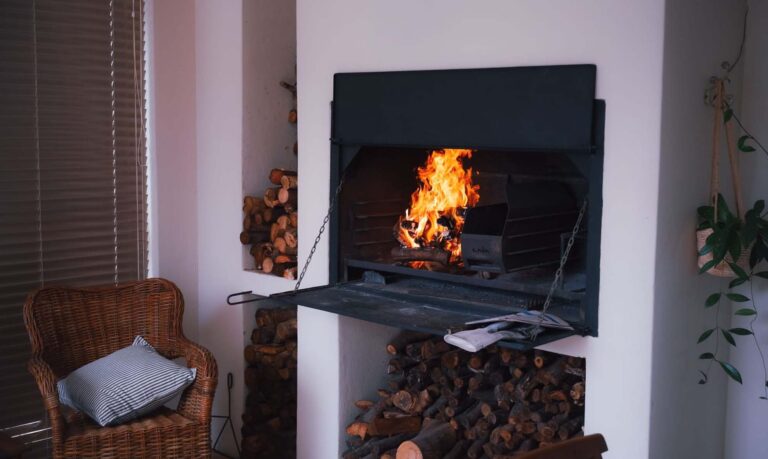
A winter fireplace sale can reduce the upfront cost of upgrading home heating, but the right fireplace should be selected for performance, efficiency, and suitability to the property rather than price alone. An incorrect system may struggle to heat the room properly, incur unnecessary installation costs, or increase fuel use during colder months.
Australian Government energy guidance notes that heating and cooling account for a large portion of household energy use, particularly during winter. Choosing a fireplace that matches the room size and insulation conditions can improve comfort while reducing wasted energy.
Homeowners comparing current fireplace deals should assess more than the advertised discount. Fuel type, heating capacity, installation requirements, and long-term operating costs all influence whether a fireplace will continue to perform effectively over time.
Select the Right Fireplace Type
Different fireplace systems are designed for different household needs.
Wood heaters produce strong radiant heat and are suited to homes where long heating periods are common. Slow-combustion wood heaters are designed to burn fuel more efficiently than traditional open fireplaces, helping maintain consistent warmth over longer periods. They are often suited to larger living areas and open-plan spaces.
Gas fireplaces provide controlled heating with less day-to-day maintenance. Available gas heating options include both inbuilt and freestanding models across a range of established fireplace manufacturers. Gas systems are commonly selected for their convenience, adjustable heat settings, and cleaner operation compared to solid-fuel systems.
Electric fireplaces are usually chosen for apartments, renovations, and smaller rooms where flue installation may not be practical. Ethanol fireplaces are generally selected for visual appeal and architectural styling rather than high-capacity heating.
Before purchasing during a fireplace sale, homeowners should decide whether the priority is primary heating, supplementary warmth, ease of operation, or design integration.
Match Heat Output to the Room Size
Heating capacity directly affects fireplace performance.
A unit that is too small may struggle to maintain warmth during colder nights, especially in open-plan homes or rooms with high ceilings. An oversized fireplace can overheat compact spaces and reduce operating efficiency.
Room insulation, flooring materials, ceiling height, and window exposure all influence how heat moves through the home. Larger windows and poor insulation increase heat loss, requiring stronger heating output to maintain stable temperatures.
Government home energy guidance also recommends reducing draughts and improving insulation to support more efficient heating performance. A fireplace should work with the home’s overall thermal efficiency rather than compensate for major heat loss issues.
When comparing models, homeowners should ask about recommended room coverage, fuel consumption, and expected heating performance under typical winter conditions.
Understand Installation Requirements
Installation conditions determine whether a fireplace is suitable for a property.
Wood heaters require compliant flue systems, safe clearances, and appropriate ventilation. Gas fireplaces may require a natural gas connection or LPG compatibility, depending on the model selected. Built-in fireplaces can involve additional wall preparation, framing, and finishing work.
Professional installation support from licensed installers can help ensure the fireplace is fitted safely and performs as intended.
This is particularly important for homes where structural modifications or ventilation planning may be required.
Professional installation affects both safety and performance. Incorrect flue placement, inadequate ventilation, or poor positioning can reduce heating efficiency and create operational risks.
Checking installation requirements before purchasing helps avoid delays, unexpected costs, and unsuitable fireplace selections.
Compare Long-Term Running Costs
The purchase price alone does not determine the fireplace’s value.
Running costs depend on fuel type, heating frequency, room size, and overall efficiency. A lower-cost fireplace may become more expensive over time if it consumes excessive fuel or fails to heat the intended area effectively.
Gas fireplaces are often chosen because they provide controlled heat output with minimal cleaning and fuel handling. Wood heaters depend heavily on the quality of firewood used. The NSW EPA advises using dry, seasoned hardwood because wet or unseasoned timber burns less efficiently and produces more smoke.
Electric fireplaces can be economical for smaller spaces or occasional use, though they may be less efficient as the primary heating source for larger living areas.
A winter fireplace sale often creates opportunities to access higher-efficiency models that may provide stronger long-term heating performance and lower ongoing fuel costs.
Choose a Fireplace That Fits the Home Layout
A fireplace should support both the heating needs and the room’s layout.
Freestanding wood heaters are commonly suited to larger family rooms and open living spaces. Linear gas fireplaces often suit contemporary interiors with cleaner architectural lines. Inbuilt fireplaces can create a more integrated appearance within renovated or newly designed spaces.
Placement affects how effectively heat circulates through the room. Furniture positioning, viewing angles, wall space, and nearby walkways should all be considered before installation.
Homeowners can choose from wood, gas, electric, ethanol, and custom gas fire designs, making it easier to compare heating performance, installation requirements, and visual style.
The best fireplace layouts improve room comfort without limiting usable living space.
Conclusion
A winter fireplace sale can create significant value when the fireplace is selected for the home’s actual heating needs rather than for appearance alone. Fuel type, room size, insulation, installation conditions, and operating costs all influence long-term performance.
A properly matched fireplace should heat the intended space efficiently, operate safely, and remain practical to use throughout winter. Careful planning before purchase usually leads to better comfort, lower running costs, and a heating system that continues to perform reliably for years.
