


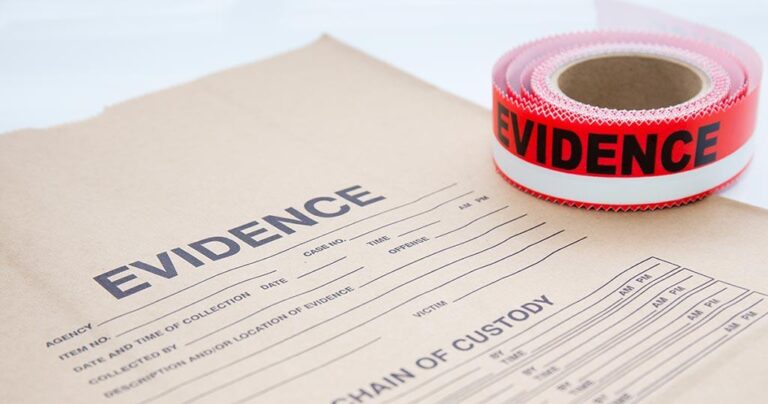
Personal injury claims are hinged on the negligence of a party, resulting in liability for whatever injuries happen as a result of such negligence. For the victim, compensation can be sought to make up for the injuries suffered and return them to the place they were prior to the accident. However, for a personal injury claim to be successful and compensation sought, evidence must be provided.
“Pictures and videos are credible pieces of evidence that can be used when negotiating or at trial,” says Attorney Jeffrey P. Lowenthal of Lowenthal & Abrams, Injury Attorneys.
The goal of providing evidence is to show the negligent act of the at-fault party resulting in the accident. It is also a way to show the extent of the injury suffered to determine what amounts to reasonable compensation. This article discusses key ways to document and preserve evidence in a personal injury claim.
Take Pictures and Record Videos of the Scene
The first point of evidence collection and documentation happens at the scene of the incident. Depending on the severity of the accident, you can decide to take pictures or make recordings yourself or ask someone else to do it for you. When taking pictures and recording the scene, it is always ideal to provide a time stamp and capture landmarks.
They can be printed out or documented in hardware or on cloud software. It is also very important that you make copies of these pictures and videos in case any of them get lost or damaged.
Seek Detailed Medical Diagnosis and Analysis
Another way you can document evidence in a personal injury claim is to get medical records of the injury. A diagnosis details the injury suffered and the immediate and long-term impact on your health. An analysis provides possible treatment plans and an estimate of the cost of treatment. It is necessary that these medical records come from a certified medical practitioner.
Medical records are one of the most potent indicators when evaluating compensation. Usually, how much you will be awarded will largely be determined by the extent of your injury. As such, it is not enough to seek medical attention immediately after an accident, you must ensure you get and store the medical records.
Eyewitness Accounts of the Incident
If you are involved in a personal injury claim, pictures and videos are great, but medical records are also necessary. However, to give credence to your experience, it is always ideal to get eyewitness accounts of the incident. You can do this by speaking to people who were at the scene at the time to share their account of the incident.
If you can get several eyewitnesses to testify to the negligence of the at-fault party, this can further strengthen your case. The testimonies of eyewitnesses can come in handy at trial to corroborate your claim. It can also work to convince the court to rule in your favor and award you a great compensation cost against the at-fault party.
However, you should note that the testimony of any eyewitness will be cross-examined by the other party. So, it is advised that you only work with people who were there at the time and can recollect as much as possible.
Getting Comprehensive Police Reports
Another way to document evidence in a personal injury claim is to get police reports of the incident. Usually, immediately after an incident, the police come around to investigate the incident and document their investigation. To strengthen your personal injury case, you can get these police reports, which are official accounts of the incident.
Keep Records of Financial Transactions
In documenting evidence, you must keep detailed records of all financial transactions done as a result of the personal injury incident. It is a good way to show how much has been expended as a result of the injury. That way, it can be factored into the compensation calculation.
Conclusion
The foundation of every personal injury claim rests on concrete evidence; thus, knowing where and how to gather and meticulously document it is paramount. To ensure you are getting the right evidence, you may want to speak to a personal injury lawyer to guide you. They can also help with the evidence collection process and use the evidence where necessary.
