


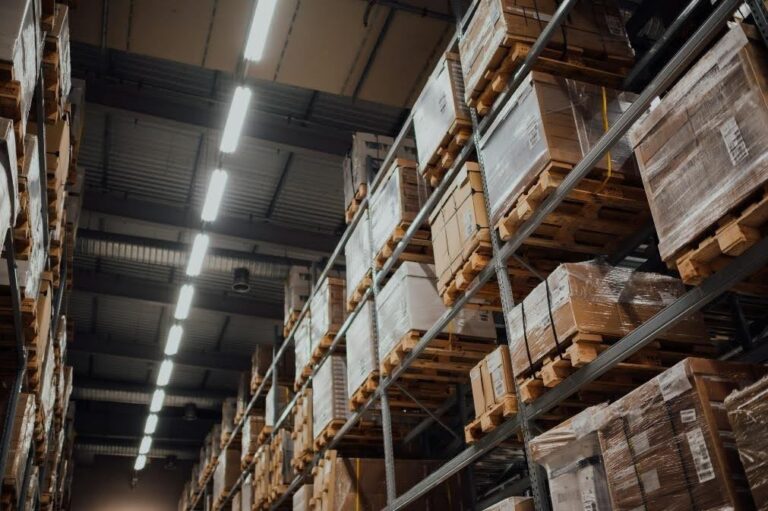
Warehouse performance has a direct effect on revenue growth. Delays, misplaced inventory, and inconsistent workflows create friction that cuts into profit and weakens customer trust. A warehouse that runs efficiently supports faster fulfillment, better inventory control, and smoother operations from receiving to shipping. Small adjustments in organization and process management often create noticeable improvements in cash flow and customer retention without forcing a company to expand its footprint.
The strongest warehouse operations focus on consistency. Teams work more effectively when storage systems are easy to follow, inventory is visible, and movement through the facility follows a logical path. Revenue increases when fewer mistakes slow down the order cycle, and employees spend less time correcting preventable problems.
Building Better Workflow Habits on the Floor
Clear labeling systems help warehouse employees identify products quickly without stopping to double-check inventory details. Organized labeling reduces confusion during picking, receiving, and restocking, especially in fast-moving facilities where speed matters every hour of the day.
Handheld pricing and labeling tools remain useful in warehouses that need quick product identification without relying entirely on digital systems. Many operations still use manual labeling because it allows workers to respond immediately during inventory updates, returns processing, and shelf organization. Warehouses that handle large volumes of smaller inventory often rely on two-line labeling systems to keep product details visible during busy shifts. Tools like the Monarch 1115 are commonly used to maintain consistent item marking while helping employees reduce confusion during receiving and restocking tasks.
Strong workflow habits also depend on reducing unnecessary movement. Workers should not walk across the building repeatedly to retrieve frequently used products. High-demand inventory should stay near packing stations, while slower-moving items can remain in secondary storage zones. Rearranging product placement based on actual movement patterns often improves productivity without requiring new equipment.
Managers who regularly observe workflow patterns usually spot hidden inefficiencies that software reports miss. A warehouse may appear organized on paper while employees still waste time navigating tight aisles, searching for missing pallets, or waiting for staging areas to clear.
Smarter Inventory Placement Improves Fulfillment Speed
Inventory placement affects every stage of warehouse performance. Products stored without a logical structure increase picking errors and slow down order completion. Warehouses that group products by demand, size, or order frequency often complete shipments faster because employees follow more predictable routes.
Seasonal inventory deserves special attention. Fast-selling products should move closer to packing stations before peak demand begins. Waiting until order volume increases usually creates congestion that becomes difficult to fix during busy periods.
Vertical storage also helps maximize usable space without expanding the building itself. Shelving systems that use height efficiently create more room for inventory while improving organization. Warehouses with unused vertical space often pay for unnecessary overflow storage because existing capacity is poorly managed.
Reducing Picking Errors Protects Revenue
Picking mistakes cost more than replacement inventory. Incorrect shipments damage customer confidence, increase return handling costs, and create extra labor that pulls workers away from productive tasks. Warehouses that reduce errors protect revenue while improving customer satisfaction at the same time.
Standardized picking procedures help eliminate confusion between shifts. Every employee should follow the same verification process before items leave the shelf. Consistency matters because even experienced workers make mistakes when systems vary between departments or supervisors.
Many facilities improve accuracy by dividing warehouses into smaller operational zones. Zone-based picking reduces travel time while allowing employees to become more familiar with specific inventory sections. Workers who repeatedly manage the same area often identify misplaced stock faster and work with greater confidence.
Employee Training Has a Bigger Impact Than Equipment
New technology helps warehouses operate more efficiently, but employee training remains one of the biggest drivers of long-term improvement. A poorly trained team can create delays even in highly automated facilities. Clear instructions help workers understand how each process affects speed, accuracy, and customer satisfaction.
Training should focus on practical workflow situations instead of generic presentations. Employees learn faster when instruction reflects the actual pace and conditions inside the warehouse. Short demonstrations during regular shifts often produce better results than occasional classroom sessions.
Cross-training also strengthens warehouse performance. Workers who understand multiple roles can support different departments during high-demand periods without disrupting operations. Flexible staffing keeps productivity steady when unexpected order spikes occur or when team members are absent.
Communication between departments deserves attention as well. Receiving teams, inventory staff, and shipping crews often operate independently even though their responsibilities overlap constantly.
Using Data Without Overcomplicating Operations
Warehouse data becomes useful when managers focus on practical operational problems instead of chasing endless reports. Tracking fulfillment speed, return frequency, inventory turnover, and picking accuracy helps identify where revenue leaks occur. For facilities that also need more accurate freight data at the dock, warehouse measurement automation from Cargo Spectre can support this approach by capturing cargo dimensions and weight automatically while reducing manual measurement and data-entry errors.
Some warehouses collect large amounts of data but fail to act on it consistently. Numbers only matter when they lead to process improvements. Managers should review trends regularly and adjust workflows before small inefficiencies become expensive operational habits.
Daily walkthroughs still provide valuable insight alongside digital tracking systems. Software may reveal slow fulfillment times, but observing the warehouse floor often explains why delays happen. Congested staging areas, poor shelf organization, and inefficient routing become easier to spot through direct observation.
Creating a Warehouse Environment That Supports Growth
Revenue growth becomes difficult when warehouse operations remain reactive. Facilities that scale successfully usually rely on structured processes that continue working even as order volume increases. Organization, consistency, and clear communication create stability that supports expansion without creating operational chaos.
Clean warehouses also operate more efficiently. Cluttered staging zones, abandoned pallets, and disorganized inventory slow movement throughout the building. Employees work faster when workspaces stay organized, and equipment remains accessible.
Leadership presence matters on the warehouse floor. Managers who stay involved in daily operations often identify problems early while building stronger accountability across teams. Employees respond better when leadership actively supports operational improvements instead of only reviewing reports from an office.
Warehouse optimization does not require dramatic overhauls to increase revenue. Most improvements come from tightening existing processes, improving visibility, and removing obstacles that slow down daily work.
