


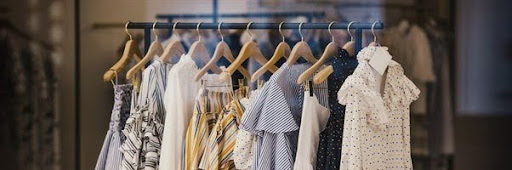
Indie boutiques are in the middle of a sourcing rethink. Between geopolitics, TikTok-fueled micro-trends, and rising customer expectations for fast turnarounds, many retailers are ditching faceless mega-marketplaces in favor of relationship-driven wholesalers that act more like partners than platforms.
Sixty percent of large U.S. fashion companies now source from ten or more countries to hedge tariff and supply-chain risk. The takeaway? Diversification and trust matter more than cutting the absolute cheapest deal.
This listicle spotlights seven top boutique clothing suppliers and brands—that boutiques consistently praise for transparency, low minimums, and trend agility.
What Makes a Supplier “Boutique-Ready”?
Low MOQs used to be a nice-to-have; now they are table stakes. Over 70% of surveyed U.S. brands plan to increase their use of vendors that allow “test orders” specifically to reduce overstock waste in the next 18 months.
On top of that, 45% of independent retailers place weekly or bi-weekly re-orders because TikTok trends flip so fast (FashionGo Pulse of Retailer Survey).
A boutique-ready partner therefore must combine low commitment entry points with the operational muscle to ship replenishment orders in days, not weeks.
Ready to compare? Let’s dive in.
1. Dear Lover
Founded in 2007 and serving boutiques in more than 160 countries, Dear Lover built its reputation on “open-pack” wholesale—mix-and-match cartons that eliminate traditional per-SKU minimums.
The brand drops new styles daily and supports both bulk and dropship models, making it unusually flexible for a China-based supplier.
- Open-pack model lets retailers buy as few as one unit per size or color.
- U.S. warehouse in California enables 2–5-day domestic delivery and easy returns.
- Seamless integrations with Shopify and TikTok Shop accelerate speed-to-shelf.
- Customer service agents respond in English and can supply additional product images on request.
If you run a fashion-first boutique chasing creator-led micro-trends but don’t want inventory risk, Dear Lover is a low-friction starting point.
2. FashionGo × VICI Wholesale
California marketplace FashionGo teamed up with West-Coast trend authority VICI to launch an invite-only wholesale portal geared toward boutiques that love L.A. street style. Because inventory is housed in Orange County, shipping to U.S. retailers is lightning fast.
- Packs of six keep unit economics boutique-friendly while still protecting margins.
- “Ready to Ship” badge guarantees same-day dispatch if ordered before noon PT.
- Proprietary dashboard reveals sell-through velocity across FashionGo’s retailer network.
- Frequent live-stream walk-throughs give buyers a closer look at fabric and fit.
Boutiques that live and breathe the laid-back California aesthetic will appreciate the style cohesion and fulfillment speed.
3. OrangeShine
OrangeShine is less a wholesaler and more a mega-hub: 500 independent U.S. brands under one digital roof. The platform’s search filters let buyers build a mixed cart that still meets a remarkably low US$100 threshold—perfect for trying new vendors with minimal risk.
- Cart-level minimum instead of per-brand MOQs simplifies experimentation.
- Restock alerts via email or SMS when a sold-out style returns.
- Weekly flash sales on last-call SKUs help margin-sensitive shops pad profits.
- Built-in fit reviews from fellow retailers reduce sizing surprises.
If you hate juggling ten log-ins and multiple payment wires, OrangeShine’s one-checkout system is a sanity saver.
4. Faire
Faire isn’t fashion-specific, but its generous net-60 terms and free returns on first orders have attracted thousands of apparel retailers since 2022. The marketplace’s algorithm recommends SKUs proven to convert in your ZIP code, a lifeline when local tastes diverge from national trends.
- Net-60 payment terms smooth cash-flow for seasonal peaks.
- Free first-order returns eliminate the “dead rack” fear for new labels.
- Geo-targeted product suggestions draw on point-of-sale data from nearby boutiques.
- Marketing toolkit offers ready-made social assets to speed up launch promos.
Use Faire when you want to test emergent indie labels without risking capital or warehouse space.
5. Tasha Apparel
Operating out of the L.A. garment district since 2008, Tasha Apparel focuses on value-priced trend pieces—most under US$12 wholesale—without skimping on plus-size availability.
Same-day shipping before 11 a.m. PT means a weekend TikTok blow-up can be replenished by Tuesday.
- Packs of six keep per-SKU spend tight.
- Extensive curve and extended sizing in nearly every drop.
- Daily “Just In” emails with flat-lay photos speed product page creation.
- Occasional $3–$5 closeout events help boutiques run profitable clearance racks.
Think of Tasha as your margin-builder: great for budget-conscious shoppers and size-inclusive collections.
6. FashionTIY
FashionTIY marries bulk wholesale, dropship, and private-label manufacturing under one login. The China-born platform opened a U.S. fulfillment center in 2023, trimming average delivery times to 4–7 days for domestic buyers.
- Tiered discounts climbing to 70% as cumulative spend grows.
- Private-label option lets boutiques white-label best-sellers without factory hunts.
- Mobile app with push notifications for price drops and new arrivals.
- Automated CSV export syncs inventory with most POS systems.
Use FashionTIY when you’re ready to scale from test orders to larger, brand-controlled runs—all while keeping shipping times reasonable.
7. Bloom Wholesale
Bloom’s secret sauce is sourcing L.A. overstock lots—surplus runs from reputable factories—then selling items individually, no pack minimums attached. The result is a treasure-hunt assortment at rock-bottom prices.
- No minimum order; buy one piece if that’s all you need.
- Weekly “$5 Deal” newsletter highlights sub-wholesale steals.
- Quality control team inspects every lot for defects before listing.
- Flat US$9.95 shipping on any domestic order curbs freight surprises.
Boutiques with “new-arrivals daily” customer bases can keep racks fresh without locking up cash in deep inventory.
How to Vet a New Wholesale Partner
Supplier lists are only a starting point. Before wiring any money, place a micro test order and evaluate communication speed, ship-date accuracy, and packaging quality.
Searches for “wholesale clothing low MOQ” on Google jumped 92% year-over-year between May 2024 and May 2025 (Google Trends).
In other words, competition is heating up; a vendor’s responsiveness can signal how you’ll be treated once thousands of new boutiques flood their inbox.
Checklist:
- Order one style in two colors and note actual vs. quoted delivery times.
- Photograph packaging upon arrival; sloppy boxing foretells return hassles.
- Ask for factory audit docs or sustainability credentials—serious partners won’t balk.
Pro Tips for Riding Micro-Trends
- Calendar weekly re-order reviews aligned with TikTok trend cycles.
- Use Google Alerts for keywords like “crochet dress” or “metallic mini” to anticipate spikes.
- Mine for inspiration like 2024 Summer Trend: Vests & How to Wear Them for styling content you can share alongside new deliveries.
Conclusion
Trust and flexibility sit at the center of modern boutique buying. By mixing open-pack specialists like Dear Lover with data-driven marketplaces such as Faire, retailers can stay liquid, react to viral moments, and still protect margins.
Start by short-listing two or three vendors from this list, place low-risk test orders, and track which partner nails quality, speed, and service. Your customers—and your cash-flow statement—will thank you.
