


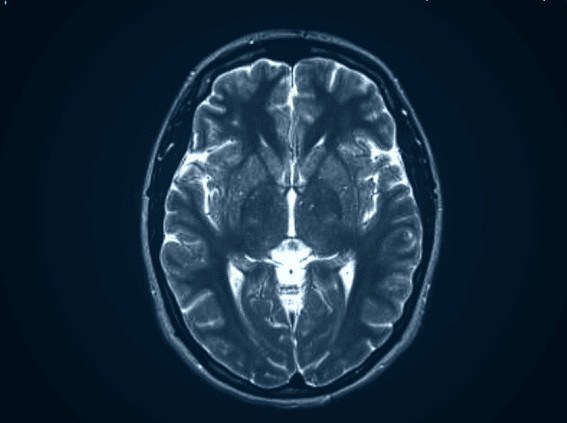
When you are involved in a motor vehicle collision on Interstate 26, a devastating slip-and-fall at a local retail store, or an unexpected workplace incident in Richland County, your body’s natural fight-or-flight response kicks in immediately. The massive surge of adrenaline and endorphins released during a traumatic event can easily mask severe internal physical trauma, leading you to believe you escaped without harm.
Many accident victims walk away from the scene insisting they feel fine, only to discover days, weeks, or even months later that they are struggling with debilitating cognitive, emotional, and physical impairments. If you or a loved one is experiencing late-emerging neurological complications following an accident, you likely face immense stress, mounting medical bills, and confusion over your rights. Consulting experienced traumatic brain injury lawyers in Columbia, SC is critical to understanding whether you can still pursue financial compensation for symptoms that took time to appear.
According to Columbia, SC traumatic brain injury lawyers Peake & Fowler:
“Dealing with the day to day frustrations of caring for a loved one with traumatic brain injury can push you are breaking point, especially if you do not seek additional support. The good news is, you are not the only one who has had to go through this.
“There are numerous support groups available both online and in your local community where you can obtain help and guidance and better understand this condition. It is also a very good idea to enlist the help of other family members and friends when they are available, so they can help relieve some of your burden.”
Understanding the Science Behind Delayed-Onset Brain Injury Symptoms
To understand why delayed-onset TBI claims are legally complex, it helps to first understand the biological mechanisms behind head trauma. A traumatic brain injury occurs when an external violent blow, jolt, or penetrating object disrupts normal brain function. In many accidents, particularly high-speed traffic collisions along Malfunction Junction or Gervais Street, the brain experiences rapid acceleration and deceleration. This forces the soft tissue of the brain to strike the hard, bony inner wall of the skull—a primary impact known as a coup injury, often followed by a contrecoup injury as the brain bounces back against the opposite side of the skull.
While catastrophic TBIs (such as skull fractures or immediate intracranial hemorrhages) produce immediate and obvious emergency symptoms, mild-to-moderate TBIs and concussions often initiate a slow, microscopic cascade of chemical and biological cellular damage.
Common Causes of Delayed Symptoms
- Microscopic Axonal Shear: Sudden rotational forces pull, stretch, and shear microscopic nerve fibers (axons) throughout the brain tissue. While the axons may not sever immediately, the trauma triggers cellular inflammation, impaired metabolic signaling, and gradual axonal degeneration over time.
- Subdural and Epidural Hematomas: A slow vascular bleed within the skull may take days or weeks to accumulate enough blood volume to exert dangerous pressure against surrounding brain structures.
- Cerebral Edema (Brain Swelling): Fluid buildup within injured brain tissues develops gradually over hours or days, causing worsening pressure, reduced oxygen flow, and progressive cell death.
- Neuroinflammation and Metabolic Cascade: Primary trauma triggers an excessive release of neurochemicals, damaging the blood-brain barrier and causing long-term cellular exhaustion that manifests progressively as brain fog, fatigue, and mood disruption.
Recognizing Late-Emerging TBI Symptoms
Victims often fail to connect subtle early symptoms to an accident that occurred weeks earlier. Delayed-onset brain injury symptoms frequently fall into four main categories:
- Cognitive Symptoms: Persistent brain fog, sudden memory loss, reduced attention span, difficulty processing information, executive function impairment, and trouble finding words during conversation.
- Physical Symptoms: Chronic tension or migraine headaches, persistent dizziness, vertigo, light and sound sensitivity, nausea, unexplained fatigue, visual disturbances, and ringing in the ears (tinnitus).
- Emotional and Behavioral Changes: Uncharacteristic irritability, sudden mood swings, heightened anxiety, clinical depression, reduced impulse control, and personality shifts reported by family members.
- Sleep Disturbances: Insomnia, excessive sleeping (hypersomnia), fragmented sleep cycles, or waking up perpetually unrefreshed.
Major Legal Challenges in South Carolina Delayed TBI Claims
While South Carolina personal injury law grants victims the right to seek full compensation from negligent parties, delayed-onset TBI cases face fierce resistance from defense attorneys and insurance adjusters. Insurance companies are for-profit enterprises designed to minimize payouts, and delayed symptoms provide them with leverage to challenge your credibility.
1. The “Gap in Treatment” Defense
The single most common obstacle in delayed TBI litigation is the gap in medical treatment. If you refused an ambulance at the crash scene in Columbia and did not visit an emergency room, urgent care facility, or primary care doctor for two or three weeks, the insurance company will argue that your injuries cannot be severe. They will claim that if you were truly injured, you would have sought immediate medical attention.
2. The Alternative Causation Strategy
When symptoms appear weeks or months after an accident, defense lawyers will vigorously search your medical history for intervening events. They may allege that your headaches, depression, or memory problems stem from:
- A subsequent minor slip or fall.
- Everyday workplace stress or marital difficulties.
- Pre-existing conditions, such as historical migraines, past concussions from youth sports, or pre-existing mental health challenges.
- Age-related cognitive decline.
3. Allegations of Failure to Mitigate Damages
Under South Carolina law, injured plaintiffs have a legal duty to exercise reasonable care to minimize their damages. Insurance companies may argue that by failing to seek immediate medical care or delaying prescribed therapies, you allowed a minor injury to worsen into a chronic condition, thereby limiting their financial liability.
South Carolina Personal Injury Laws Relevant to Delayed Brain Injuries
Successfully navigating a delayed TBI lawsuit in Columbia requires a clear understanding of the relevant legal principles governed by South Carolina statutes and case law.
The Statute of Limitations (S.C. Code § 15-3-530)
In South Carolina, the general statute of limitations for personal injury claims—including those resulting from motor vehicle accidents, truck crashes, and premises liability—is three years from the date the cause of action accrues.
In most injury cases, the clock starts ticking on the exact date of the accident. While South Carolina recognizes the “Discovery Rule” in certain specialized civil contexts (stating that the statute of limitations begins when a person knew or reasonably should have known they suffered an injury), applying the discovery rule to delay the standard three-year clock in personal injury claims is difficult. South Carolina courts generally hold that if you knew you were in an accident, you were on inquiry notice of potential injury. Therefore, you should never assume you have extended time; waiting to take legal action can permanently bar your right to financial recovery.
Modified Comparative Negligence (51% Bar Rule)
South Carolina operates under a modified comparative fault rule (S.C. Code § 15-38-15). Under this law, an injured victim can recover damages as long as their proportion of fault for the accident is 50% or less. However, any monetary award you receive will be reduced proportionally by your percentage of fault. If a jury determines you were 51% or more at fault for the accident, you are completely barred from recovering any monetary compensation. Insurance companies frequently attempt to shift partial or majority blame onto TBI victims, particularly when cognitive impairment makes it difficult for the victim to recount the event clearly.
Comprehensive Types of Damages Recoverable in Columbia, SC
Brain injuries are among the most catastrophic medical conditions an individual can face because they alter the victim’s physical capabilities, emotional stability, and sense of identity. A comprehensive personal injury claim seeks to recover both economic and non-economic damages to make the victim whole again under the law.
Economic Damages (Objectively Measurable Financial Losses)
- Past Medical Expenses: ER visits, ambulance transportation, diagnostic imaging (CT scans, MRIs), ICU care, and initial physician fees.
- Future Medical and Rehabilitation Costs: Ongoing neurological visits, physical therapy, occupational therapy, speech-language therapy, vestibular rehabilitation, and psychological care.
- Prescription Medication: Costs for managing neurological symptoms, pain, seizures, sleep, and mood stabilization.
- Lost Wages: Total income lost while away from work during recovery.
- Loss of Future Earning Capacity: Compensation for diminished earning potential if cognitive impairments prevent you from returning to your prior profession or working full-time.
- Life Care Planning: Costs for long-term home health aides, home modifications, specialized medical equipment, and assisted living arrangements in severe cases.
Non-Economic Damages (Subjective Quality-of-Life Losses)
- Physical Pain and Suffering: Compensation for chronic physical discomfort, ongoing migraines, and sensory sensitivities.
- Emotional Distress and Mental Anguish: Damages for persistent anxiety, clinical depression, post-traumatic stress disorder (PTSD), and loss of self-esteem.
- Loss of Enjoyment of Life: Compensation for the inability to participate in hobbies, sports, social gatherings, or family activities you once enjoyed.
- Cognitive Impairment and Loss of Independence: The intangible toll of losing executive function, memory retention, and everyday personal autonomy.
- Loss of Consortium: Claims brought by a spouse for the loss of intimacy, companionship, affection, and marital support resulting from the injury.
Punitive Damages (S.C. Code § 15-32-520)
In cases where the at-fault party acted with gross negligence, recklessness, or intentional misconduct—such as a drunk driver causing a violent crash on Assembly Street or a trucking company knowingly operating dangerous, unmaintained vehicles—the court may award punitive damages. Punitive damages are designed to punish the wrongdoer and deter similar conduct across the community.
How to Build a Powerful Legal Case for a Delayed TBI
Overcoming insurance company defenses requires building an undeniable evidentiary bridge connecting your delayed symptoms back to the original accident.
[ Accident Event ]
│
▼
[ Microscopic TBI Trauma ] ──(Adrenaline / Slow Biological Cascade)
│
▼
[ Delayed Symptom Emergence ]
│
▼
┌─────────────────────────────────────────┐
│ EVIDENTIARY BRIDGE TO RECOVERY │
├─────────────────────────────────────────┤
│ 1. Advanced Neuroimaging (3T MRI/DTI) │
│ 2. Neuropsychological Evaluation │
│ 3. Expert Medical Causation Testimony │
│ 4. Detailed Symptom & Activity Journals │
│ 5. Witness Statements (Family/Co-workers)│
└─────────────────────────────────────────┘
│
▼
[ Financial Recovery for Full Damages ]
1. Advanced Neuroimaging Technology
Standard emergency room CT scans are designed to detect acute structural emergencies like skull fractures and large blood clots; they frequently miss subtle cellular-level damage. Building a strong delayed TBI claim often involves advanced imaging modalities:
- 3T High-Field MRI: Offers double the magnetic strength of standard MRIs to visualize subtle brain tissue changes.
- Diffusion Tensor Imaging (DTI): A specialized MRI technique that maps the diffusion of water along white matter tracts, effectively revealing damaged or sheared neural pathways (diffuse axonal injury).
- SPECT and PET Scans: Functional imaging techniques that measure blood flow and metabolic activity within various regions of the brain.
2. Neuropsychological Testing
A board-certified neuropsychologist can administer a comprehensive battery of standardized cognitive tests lasting several hours. These evaluations assess memory retention, executive functioning, processing speed, spatial awareness, and verbal fluency. By comparing your results against normed population data and pre-injury baseline indicators (such as academic records or professional achievements), experts can prove objectively that a cognitive decline has occurred.
3. Medical and Expert Witness Testimony
Under South Carolina evidentiary rules, proving medical causation requires qualified expert witnesses. Your legal team will collaborate with:
- Neurologists and Neurosurgeons: To testify regarding the physiological mechanics of your brain injury and explain to a jury why symptoms took time to surface.
- Biomechanical Engineers: To analyze crash forces, velocity, and vector dynamics, demonstrating that the collision generated sufficient force to cause brain trauma.
- Vocational Rehabilitation Specialists: To evaluate your work history, assess your functional limitations, and calculate your lifetime loss of earning capacity.
- Life Care Planners: To create detailed, inflation-adjusted projections of all medical, therapy, and personal care needs you will require over your estimated lifespan.
4. “Before-and-After” Lay Witness Testimony
Juries respond powerfully to human stories. Testimony from family members, friends, supervisors, and co-workers who knew you prior to the accident can paint a vivid picture of your transformation. These witnesses can describe concrete examples of changes in your personality, patience, memory, reliability, and emotional state after the crash occurred.
Essential Steps to Take If You Experience Delayed Symptoms
If you suspect you are suffering from a delayed-onset brain injury after an accident in the Columbia area, taking swift, methodical action is vital for both your health and your legal claim:
- Seek Immediate Medical Attention: Visit a physician, neurologist, or emergency department right away. Inform the medical staff clearly that you were involved in an accident, even if it occurred days or weeks ago, and list every symptom you are experiencing—no matter how minor it seems.
- Follow All Medical Instructions: Attend every follow-up appointment, fill all prescribed medications, and complete all recommended physical or occupational therapy sessions. Gaps in care after a diagnosis provide ammunition to insurance adjusters.
- Maintain a Daily Symptom Journal: Document your daily challenges, including headache frequency and intensity, sleep patterns, emotional struggles, cognitive lapses, and activities you were forced to miss due to your symptoms.
- Do Not Give Recorded Statements to Insurance Adjusters: Insurance adjusters may call shortly after the accident asking if you are injured. Saying “I’m fine” or giving an unadvised recorded statement before your symptoms fully emerge can severely damage your claim later.
- Preserve All Evidence: Keep copies of all police incident reports, medical receipts, discharge papers, photograph records of property damage, and communications with employers regarding missed work.
- Consult a Specialized Attorney: Contact an experienced personal injury attorney in Columbia who has a proven track record of handling complex traumatic brain injury cases.
Conclusion
Sustaining a traumatic brain injury is a life-altering experience, and the confusion of experiencing delayed-onset symptoms only adds to the emotional and physical burden. It is critical to know that taking time to realize the true extent of your injuries does not forfeit your right to justice under South Carolina law. By securing immediate specialized medical care, documenting your condition thoroughly, and working alongside skilled legal advocates, you can hold negligent parties accountable and recover the financial compensation necessary to secure your future and support your long-term recovery.
