


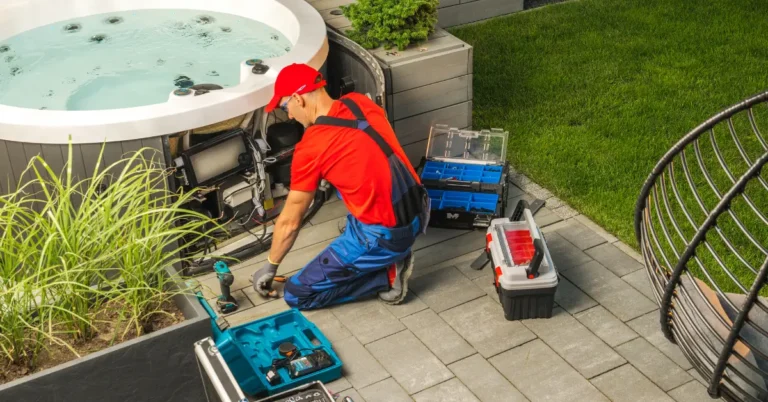
Introduction to Spa Removal and Space Restoration
Hot tubs are often considered a luxury addition to homes, offering relaxation and comfort after long days. However, over time, these units can become damaged, outdated, or simply no longer needed. When this happens, removing them becomes an important step in reclaiming valuable space and ensuring safety in the surrounding area. The process is not always as simple as it may seem because hot tubs are large, heavy, and often connected to electrical and plumbing systems. Proper planning, tools, and technique are essential to avoid damage to property and ensure safe disposal. Understanding the complete process helps homeowners make informed decisions and manage removal efficiently. Many people underestimate the complexity involved, but a structured approach makes the task much more manageable and safe.
Understanding the Challenges of Removal
The process of hot tub removal involves several challenges that require careful attention before starting the work. These units are often built with durable materials such as fiberglass, acrylic, and reinforced frames, making them difficult to dismantle without proper tools. In addition, they are usually installed in tight outdoor spaces, decks, or enclosed patios, which limits movement during extraction. Electrical disconnection must be handled carefully to avoid hazards, especially when the system is still connected to a power source. Drainage is another critical step because leftover water can significantly increase weight and make removal more difficult. Without proper preparation, the process can become unsafe and time-consuming. This is why planning is considered the most important stage before beginning any physical work.
Planning and Preparation for Safe Removal
Before starting hot tub removal, a detailed plan must be created to ensure safety and efficiency. The area around the hot tub should be cleared of furniture, plants, or any obstacles that may interfere with movement. It is also important to determine the best exit route for removing the structure, especially if it is located in a confined space. Measuring doorways, gates, and pathways ensures that the hot tub or its dismantled parts can be moved without obstruction. In many cases, partial disassembly is required to make transportation easier. Safety gear such as gloves, protective eyewear, and sturdy footwear should be used at all times. Having a clear strategy helps reduce risks and ensures the process runs smoothly from start to finish.
Electrical and Plumbing Disconnection Process
One of the most critical stages in hot tub removal is safely disconnecting electrical and plumbing systems. Hot tubs are typically powered by high-voltage connections that should never be handled without proper knowledge or experience. It is recommended to turn off the main power supply before attempting any disconnection. Water lines must also be drained completely to prevent leakage and additional weight during removal. Improper handling of these systems can lead to serious safety hazards, including electric shock or water damage. In many cases, professional assistance is preferred for this step to ensure compliance with safety standards. Proper disconnection ensures that the unit is fully isolated and safe to move.
Dismantling and Breaking Down the Structure
Once the hot tub is fully disconnected and drained, the next step involves breaking it down into manageable sections. Depending on the material and design, cutting tools such as saws or drills may be required to separate the outer shell from the internal frame. This stage requires patience and careful handling to avoid damaging surrounding structures like decks or flooring. Large sections are often cut into smaller pieces to make transportation easier. During hot tub removal, careful dismantling ensures that heavy components do not cause injury or property damage. Each part should be handled systematically to maintain control over the process. Proper disposal planning should also be considered during this stage to manage waste responsibly.
Lifting and Transporting Heavy Components
Moving the dismantled parts of a hot tub requires strength, coordination, and proper lifting techniques. Because these components can still be heavy even after disassembly, using lifting equipment or multiple people is often necessary. Proper posture and teamwork are essential to avoid injuries such as back strain or muscle fatigue. In some cases, wheel carts or dollies are used to transport sections more efficiently. Careful coordination ensures that parts are moved without damaging nearby structures or surfaces. This stage of hot tub removal is physically demanding, which is why preparation and proper tools play a crucial role in completing the job safely and efficiently.
Disposal and Recycling Considerations
After the hot tub has been fully removed, proper disposal becomes an important responsibility. Many components such as plastic, metal, and electrical parts can be recycled if handled correctly. Environmentally responsible disposal reduces waste and supports sustainable practices. Some materials may require special handling depending on local waste management regulations. Dumping large items without proper processing can lead to environmental harm and unnecessary landfill usage. In some cases, donation or resale of usable parts may also be possible if the hot tub is still partially functional. Responsible disposal ensures that the removal process is completed in an environmentally conscious manner.
Safety Precautions During the Entire Process
Safety is the most important factor throughout the entire hot tub removal process. From initial planning to final disposal, every step carries potential risks if not handled properly. Protective gear, careful lifting techniques, and proper tool usage are essential to avoid accidents. Electrical and water systems must always be fully disconnected before any physical work begins. It is also important to avoid rushing the process, as haste often leads to mistakes or injuries. Many homeowners choose professional services to handle the task because trained experts can manage risks more effectively. Maintaining a safety-first approach ensures that the entire process is completed without harm or damage.
Professional Assistance and When to Consider It
While some people attempt removal on their own, there are situations where professional help becomes necessary. Large installations, difficult access points, or complex electrical systems often require experienced handling. Professionals have the right tools, training, and knowledge to complete the job efficiently. They also understand how to manage disposal in compliance with local regulations. In many cases, hiring experts can save time and reduce the risk of injury or property damage. For those unfamiliar with heavy dismantling work, seeking assistance is a practical and safe option. Proper expertise ensures that the job is completed correctly from start to finish.
Final Thoughts on Efficient Spa Removal
The process of hot tub removal is not just about taking out a large structure; it involves careful planning, technical skills, and responsible disposal practices. From disconnection to dismantling and transportation, every stage must be handled with attention to detail. Safety and environmental responsibility should always remain top priorities throughout the process. Whether done independently or with professional support, understanding each step helps ensure a smooth and efficient experience. Proper execution allows homeowners to reclaim valuable space and eliminate unwanted or damaged units without unnecessary complications.
