


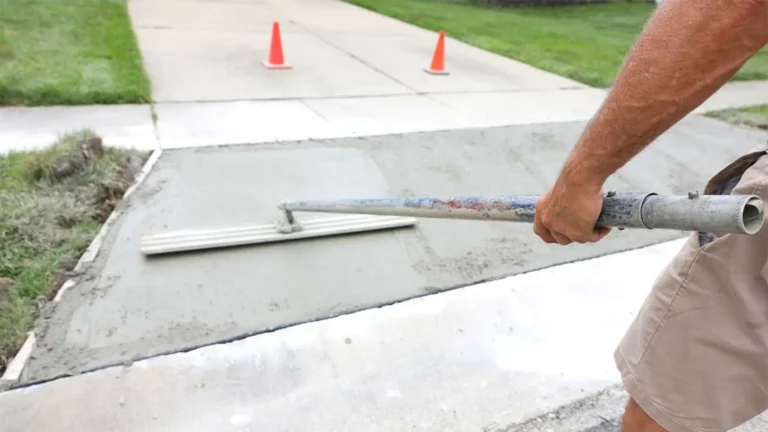
You walk out onto your patio, pool deck, or driveway and something has shifted. What used to be a source of pride has turned into an eyesore. Maybe it is the web of hairline cracks spreading from the corner. Maybe it is the discoloration that no amount of power washing seems to fix. Maybe it is the surface texture that has gone from intentional to rough and hazardous underfoot.
The question that follows is one that homeowners across Texas wrestle with regularly: do I tear this out and start over, or is there a smarter path? The answer, in most cases, is that resurfacing is not just the more affordable option, it is the better one. But understanding why that is true requires a clear look at what resurfacing actually involves and what it delivers.
Homeowners who are evaluating their options and looking for a reputable concrete resurfacing company typically arrive with one of two concerns: they are not sure whether their existing concrete is a candidate for resurfacing, or they are not sure whether resurfacing will hold up long-term. Both concerns are legitimate and both have clear answers.
What Determines Whether Concrete Can Be Resurfaced
The fundamental requirement for concrete resurfacing is structural integrity. The existing slab does not need to look good, but it does need to be sound. Resurfacing works by creating a strong mechanical and chemical bond between the existing surface and the new overlay material. If the substrate is compromised at a structural level, that bond will not hold.
What does not disqualify a slab are cosmetic problems: surface staining, weathering, minor surface cracking, previous sealers that have worn down, or textured finishes like spray-on or stamped patterns that have faded. All of these conditions are candidates for resurfacing because the underlying concrete is still doing its structural job.
What does require careful assessment is significant cracking, particularly heaving or settling cracks that indicate movement in the substrate, or widespread spalling where the surface layer is delaminating from the slab body. A qualified resurfacing contractor evaluates each surface individually during a consultation rather than making a blanket determination from a description.
What Resurfacing Delivers That Replacement Cannot
Full concrete replacement involves demolition, removal of the broken material, subgrade preparation, forming, pouring, and curing. In Texas, that process for a standard driveway or patio can take a week or more and creates significant disruption to the property. The cost, when factoring all of these steps, is typically two to three times the cost of resurfacing the same surface.
Resurfacing, done with a proprietary decorative overlay like the Gem-Scape process, delivers a surface that genuinely looks like premium natural stone or high-end pavers but is applied directly over the existing concrete. The visual result is richer and more customizable than plain poured concrete, and the process is completed in days rather than weeks.
From an environmental standpoint, resurfacing is also substantially more responsible than replacement. Concrete demolition and disposal generates significant construction waste and requires energy-intensive equipment. Resurfacing eliminates both of those impacts by making the most of material that is already in place.
Why Texas Heat Makes Surface Choice Critical
The Central Texas climate is an extreme test for any outdoor surface material. Summer temperatures regularly exceed 100 degrees Fahrenheit, which causes significant thermal expansion in concrete slabs. Winter nights can drop below freezing, which contracts those same slabs. The cycle of expansion and contraction, repeated thousands of times over the life of a slab, is the primary driver of surface degradation.
A properly formulated concrete overlay is designed with this thermal cycle in mind. The overlay material needs to have a coefficient of thermal expansion compatible with the concrete substrate beneath it, which ensures it moves with the slab rather than cracking away from it. A quality overlay also needs to be sealed against UV radiation, which breaks down the colorants and resins in lower-grade products.
When evaluating a resurfacing product or contractor, ask specifically about how the overlay performs in extreme heat and how the sealcoat protects against UV degradation. This is not a detail that applies equally everywhere. In Central Texas and the DFW area, it is a primary performance requirement.
Pool Decks: The Case for Resurfacing Is Especially Strong
Pool decks exist in one of the most chemically aggressive environments of any residential surface. They are continuously exposed to UV radiation, pool chemicals, wet-dry cycles, foot traffic on a wet surface, and the thermal stress of a surface that is sometimes in shade and sometimes in direct sun.
Older pool decks in the Austin and Dallas areas frequently suffer from the same set of problems: a spray-on or brushed finish that has worn to the point of being either slippery or uncomfortably rough, significant discoloration from chemical exposure and UV weathering, and cracks that have been patched multiple times and are cracking again.
Resurfacing a pool deck addresses all of these conditions simultaneously. The new overlay provides a fresh, textured surface that is slip-resistant and comfortable underfoot. The coloring and patterning options can transform a dated pool area into one that looks intentionally designed rather than merely functional.
How to Choose a Resurfacing Contractor
The concrete resurfacing industry in Texas includes a wide range of operators, from large established companies with proprietary systems to individual contractors offering generic overlay products. The differences between them matter significantly to the longevity of your results.
Look for a contractor with a documented system, including their own material formulation or a certified exclusive partnership with a specific product line. A contractor who uses a proprietary overlay has control over the material quality in a way that someone applying a commodity product does not.
Ask to see a portfolio of projects completed in conditions similar to yours, whether that is a pool deck, a driveway, a patio, or a walkway. Ask specifically about projects completed more than three years ago and how those surfaces have held up. The real test of a resurfacing contractor’s work is not how it looks on day one. It is how it looks after a few Texas summers.
The Long View on Value
Concrete resurfacing, done well, extends the useful life of your outdoor concrete by decades. The investment is a fraction of replacement cost, and the result is a surface that performs better visually and functionally than the original.
For homeowners who are managing a property in the Texas heat, where outdoor living spaces are used year-round and their condition directly affects both daily enjoyment and property value, resurfacing is not a compromise. It is the smart choice.
