


Daily Habits That May Help Reduce Skin Irritation for Eczema-Prone Skin
| Tags | how to get rid of eczema, hydrogen skin care, eczema-prone skin, sensitive skin care, skin barrier, eczema management, moisturising routine, gentle skincare, skin irritation, skincare tips |
| Meta Description | Learn daily habits that may help reduce skin irritation for eczema-prone skin, including tips on how to get rid of eczema and hydrogen skin care. |
Key Takeaways
- Daily routines can influence the frequency and severity of skin irritation for people with eczema-prone skin.
- Gentle cleansing, moisturising, and avoiding known triggers are essential habits.
- Maintaining the skin barrier helps reduce moisture loss and irritation.
- Lifestyle factors such as clothing, stress management, and indoor humidity also play a role.
- While some people explore hydrogen skin care, it should be introduced cautiously and alongside an established skincare routine.
- Understanding how to get rid of eczema involves long-term management rather than expecting a permanent cure.
Introduction
People with eczema-prone skin often experience recurring dryness, itching, and inflammation. Although many search for how to get rid of eczema, eczema is generally considered a chronic condition that requires ongoing management rather than a one-time solution. Establishing consistent daily habits can help reduce skin irritation, support the skin barrier, and minimise flare-ups. Alongside medical advice where appropriate, practical skincare and lifestyle choices can make everyday symptoms easier to manage. Some individuals also explore approaches such as hydrogen skin care, although any new skincare method should be assessed carefully for compatibility with sensitive skin.
Cleanse the Skin Gently
Cleansing removes dirt, sweat, and environmental pollutants, but harsh products may strip away natural oils that protect the skin. People with eczema-prone skin should choose mild, fragrance-free cleansers and avoid excessive scrubbing. Lukewarm water is generally preferable to hot water, which can increase dryness and irritation. Limiting showers to a reasonable duration also helps preserve moisture within the skin. After cleansing, gently pat the skin dry instead of rubbing it with a towel, reducing unnecessary friction that could aggravate sensitive areas.
Moisturise Consistently Throughout the Day
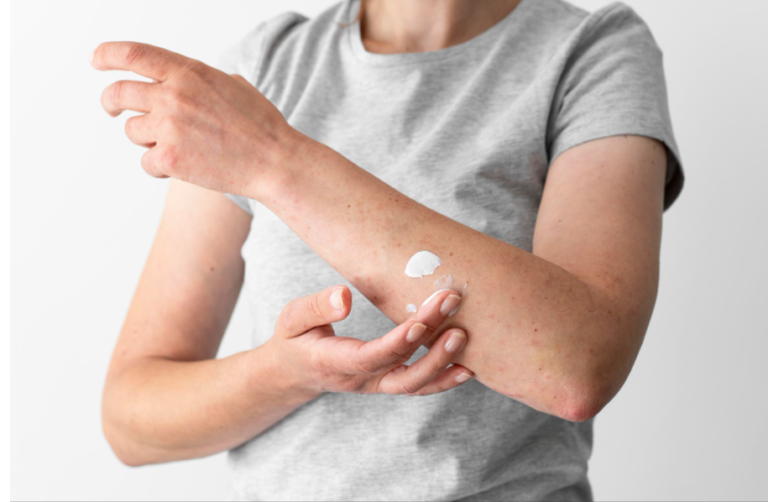
Moisturising is one of the most important daily habits for maintaining healthy skin in individuals with eczema. Applying an appropriate moisturiser immediately after bathing helps seal moisture into the skin while supporting the skin’s protective barrier. Reapplying moisturiser throughout the day, particularly after washing hands or exposure to dry environments, can further reduce dryness. Consistency is often more beneficial than using multiple skincare products. Selecting formulations designed for sensitive skin may also reduce the likelihood of irritation caused by unnecessary ingredients.
Identify and Minimise Everyday Triggers
Many eczema flare-ups are linked to specific environmental or lifestyle triggers. These may include certain soaps, detergents, fragrances, dust, pollen, pet dander, or synthetic fabrics. Keeping a simple diary of flare-ups can help identify patterns and potential causes. Choosing breathable clothing made from soft materials, washing new garments before wearing them, and using fragrance-free laundry detergents may help reduce unnecessary skin irritation. Since triggers vary between individuals, identifying personal patterns is an important part of long-term eczema management.
Maintain a Skin-Friendly Environment
Indoor conditions can significantly affect eczema-prone skin. Low humidity, excessive heat, and prolonged exposure to air conditioning may increase skin dryness. Using a humidifier during particularly dry periods may help maintain a more balanced indoor environment. At the same time, keeping living spaces clean can reduce exposure to dust mites and other common allergens. Bedding should be washed regularly, and cleaning routines should focus on reducing irritants without relying on heavily fragranced cleaning products that may trigger skin sensitivity.
Consider New Skincare Approaches Carefully
Modern skincare continues to introduce new technologies and treatment methods, including hydrogen skin care. While some products are promoted for their cleansing or skincare applications, individuals with eczema-prone skin should approach new products cautiously. Performing a patch test before full application and introducing only one new product at a time can make it easier to identify any adverse reactions. It is also important to remember that newer skincare options should complement, rather than replace, established eczema management practices recommended by healthcare professionals.
Support Skin Health Through Daily Lifestyle Choices
Daily lifestyle habits can also influence the condition of eczema-prone skin. Staying adequately hydrated supports overall skin function, while managing stress may help reduce flare-ups in some individuals. Keeping fingernails short can minimise skin damage caused by scratching during periods of intense itching. Maintaining a balanced diet and sufficient sleep also contributes to overall well-being, although individual dietary triggers should only be addressed with appropriate professional guidance. These practical habits, combined with consistent skincare, provide a structured approach for reducing everyday skin irritation.
Conclusion
People searching for how to get rid of eczema often discover that successful management depends on consistent daily care rather than a single treatment. Gentle cleansing, regular moisturising, avoiding known triggers, and maintaining healthy lifestyle habits all contribute to protecting the skin barrier and reducing irritation. Those interested in hydrogen skin care should introduce new products carefully and monitor how their skin responds. With a practical and consistent routine, individuals with eczema-prone skin can better manage day-to-day discomfort while supporting healthier skin over time.
Visit Musee to access guidance on building a routine for sensitive skin.
