


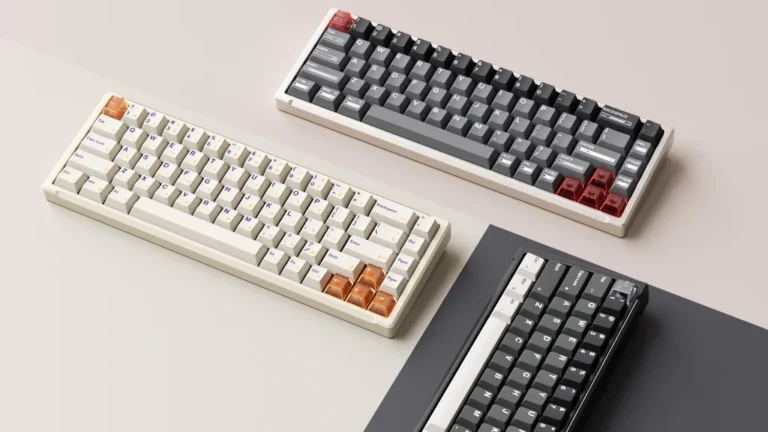
Technology continues to evolve rapidly, yet some workplace tools remain consistently popular year after year. One example is the mechanical keyboard. Despite the availability of countless input devices, mechanical keyboards continue to be the preferred choice for many professionals across industries. From software developers and writers to financial analysts and creative professionals, users often choose mechanical keyboards for their durability, comfort, and performance.
As more organizations focus on workplace productivity and employee experience, the tools individuals use every day have become increasingly important. A high quality keyboard can influence everything from typing accuracy to long term comfort, making it a valuable investment for professionals who spend significant time at their desks.
Understanding the Advantages of Mechanical Switches
One of the primary reasons mechanical keyboards remain popular is the unique typing experience they provide. Unlike traditional membrane keyboards, mechanical keyboards use individual switches beneath each key. This design offers more precise feedback, consistent performance, and a level of responsiveness that many users find more satisfying.
Mechanical switches can help improve typing accuracy by providing a clear actuation point with every keystroke. This feedback allows users to type with greater confidence and often results in fewer mistakes during long work sessions. Professionals who spend hours writing reports, coding applications, or entering data frequently appreciate the reliability that mechanical switches provide.
Durability is another key advantage. Many mechanical keyboards are designed to withstand millions of keystrokes, making them well suited for demanding workplace environments. Their longevity often makes them a practical long term investment compared to lower quality alternatives.
Productivity also extends beyond typing devices. Many organizations rely on digital workflows that include tools such as scanners to capture, organize, and manage information efficiently. Together, reliable input devices and document management technologies help create streamlined workflows that support operational success.
Finding the Right Keyboard for Your Work Style
Selecting the right keyboard depends largely on individual work habits and preferences. Some professionals prioritize compact layouts that maximize desk space, while others prefer full size configurations that include dedicated number pads and additional function keys.
Switch type is another important factor. Mechanical keyboards are available with a variety of switch options that offer different levels of tactile feedback, actuation force, and sound. Users often choose a switch type based on their comfort preferences and the nature of their daily tasks.
Workspace efficiency is also influenced by the broader technology ecosystem. Organizations that manage large volumes of paperwork often rely on solutions such as a high speed desktop scanner to accelerate document capture and improve information accessibility. Combining efficient document workflows with comfortable workstation equipment can help employees remain productive throughout the day.
Ergonomics should not be overlooked when evaluating keyboard options. Features such as compact layouts, optimized key spacing, and thoughtful design can contribute to a more comfortable typing experience while reducing unnecessary hand movement.
Mechanical keyboards continue to maintain their popularity because they offer a unique combination of durability, comfort, and precision. As professionals seek tools that support both performance and long term usability, mechanical keyboards remain a trusted choice for enhancing productivity and creating a more efficient work environment.
