


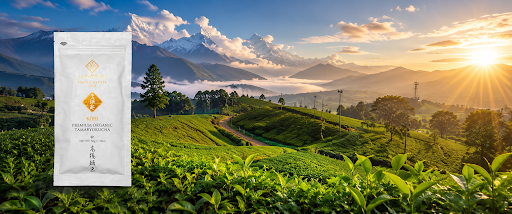
Sustainability has become a pivotal element in today’s consumer choices, especially with regards to food and beverage products. IKKYU Tea has embraced this trend by offering a IKKYU Tea sustainable tea collection that not only focuses on quality but also emphasises environmental care. Their range of eco-friendly Japanese teas provides consumers with options that align with a greener lifestyle.
The Importance of Sustainability in the Tea Industry
As awareness of environmental issues grows, so does the demand for sustainable tea products. Sustainability in the tea industry involves responsible practices such as reducing carbon footprints, maintaining biodiversity, and ensuring fair treatment for workers. Thus, brands like IKKYU Tea lead by example, illustrating how traditional tea production can evolve with eco-friendly methods.
What Makes IKKYU Tea’s Collection Sustainable?
IKKYU Tea implements several strategies to ensure their products remain sustainable. These include using organic farming techniques, limiting pesticide use, and adhering to practices that preserve the natural ecosystem. Such measures not only contribute to healthier tea plants but also result in a superior taste profile that is appreciated by tea enthusiasts worldwide.
Organic Farming Practices
By opting for organic farming, IKKYU Tea reduces the reliance on synthetic substances, thus lowering environmental impact. This approach supports soil health and fosters a thriving ecosystem, essential for producing high-quality tea leaves.
Preservation of Biodiversity
Biodiversity is crucial in maintaining the balance of ecosystems. IKKYU Tea encourages biodiversity by maintaining natural habitats around their tea plantations. This strategy ensures that wildlife and plant species continue to flourish alongside tea cultivation.
Spotlight on Shincha and Matcha
Among IKKYU’s collections, Shincha tea stands out, being the first harvest of the season. Shincha is renowned for its fresh and vibrant flavours, capturing the essence of early spring in Japan. This early harvest not only ensures unique taste profiles but also aligns with sustainable harvesting practices.
Likewise, the vibrant Matcha Tea from IKKYU Tea exemplifies commitment to quality and sustainability. Matcha production involves shading the tea plants before harvest, a method that enhances amino acid content, resulting in a smooth and rich flavour.
Sustainability Impacts on Quality and Flavour
Sustainable practices have a direct impact on the quality and flavour of tea. Eco-friendly farming methods typically produce tea with clearer and more distinct tastes. Consumers often report a noticeable difference in aroma and texture when drinking tea from sustainably managed sources.
Consumer Preferences and Sustainability
Today’s consumers are more informed and often seek products that align with their values. The sustainability efforts by IKKYU Tea not only satisfy these consumer demands but also help build a loyal customer base appreciative of their dedication to the environment.
The Future of Sustainable Tea Practices
Sustainable tea practices are continually evolving. Innovations in agriculture technology and growing awareness about environmental impact mean that the industry is poised for exciting developments. IKKYU Tea’s efforts represent the beginning of a larger movement towards sustainability within the tea sector.
Collaborations and Community Involvement
Community involvement and collaborations with local farmers strengthen the journey towards sustainability. IKKYU Tea supports local economies and helps preserve traditional farming techniques by working closely with cultivators who share their vision of eco-friendly product development.
Conclusion
IKKYU Tea demonstrates that sustainability is more than just a trend; it is a necessary step forward in the tea industry. By embracing eco-friendly practices, they have set a benchmark for quality and environmental responsibility. Through their sustainable tea collection, consumers are introduced to a spectrum of flavours that embody the best of what Japan’s tea culture has to offer.
