


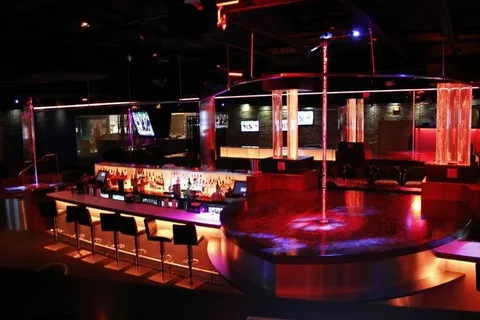
Austin’s reputation as a nightlife destination extends far beyond its legendary music venues and dive bars. The city’s adult entertainment scene has quietly evolved alongside its cultural boom, reflecting the same creative energy and independent spirit that define the Live Music Capital of the World. Strip clubs in Austin aren’t outliers in the city’s entertainment ecosystem—they’re woven into it, shaped by the same musical diversity and entrepreneurial grit that fuel the rest of the scene.
This evolution didn’t happen overnight. From their early roots in Austin’s entertainment district to their current role as fixtures in the city’s after-dark economy, these venues have adapted to shifting cultural tastes, regulatory changes, and the city’s explosive growth. Understanding this trajectory offers insight into how Austin balances its progressive reputation with a thriving, multifaceted nightlife industry.
From Honky-Tonks to High-End Clubs: A Brief History
Austin’s adult entertainment venues emerged during the same era that saw the city’s music scene take shape. In the 1970s and 1980s, as Willie Nelson and other outlaw country artists made Austin a cultural hub, the city’s nightlife expanded to include a range of entertainment options. Strip clubs were part of that expansion, initially operating in the shadows of the city’s more celebrated music halls.
By the 1990s, as Austin’s population surged and its economy diversified, these venues began to professionalize. Clubs invested in better facilities, hired more performers, and positioned themselves as legitimate entertainment businesses rather than fringe operations. This shift mirrored broader trends in the adult entertainment industry, which saw strip clubs across the United States become more upscale and customer-focused during the same period.
The city’s regulatory environment also played a role. Austin’s relatively permissive approach to adult businesses—compared to other Texas cities—allowed these venues to operate with fewer restrictions, contributing to their longevity and growth. Today, they’re as much a part of the city’s entertainment infrastructure as its concert halls and comedy clubs.
Music as the Backbone of the Experience
In a city where live music is practically a civic religion, it’s no surprise that Austin’s strip clubs have made music central to their appeal. The soundtracks in these venues reflect the city’s eclectic tastes: classic rock, hip-hop, electronic, and even country all find their way into rotation. Some clubs have gone further, hosting live DJ sets or booking local musicians to perform, blurring the line between traditional nightclub and adult entertainment venue.
This musical integration isn’t just about atmosphere—it’s strategic. Austin’s residents and visitors expect a certain level of production quality in their nightlife experiences, and clubs that deliver on that expectation tend to thrive. The city hosts more live music venues per capita than anywhere else in the country, creating a competitive environment where even strip clubs must meet high entertainment standards.
The result is a scene where music isn’t an afterthought—it’s a defining feature. Performers choreograph routines to carefully curated playlists, and clubs invest in sound systems that rival those in dedicated music venues. For patrons, the experience is as much about the auditory environment as the visual one.
Notable Venues in Austin’s Adult Entertainment Scene
Several clubs have established themselves as mainstays in Austin’s nightlife, each with its own identity and clientele. These venues range from laid-back neighborhood spots to upscale establishments that cater to a more discerning crowd.
- The Yellow Rose: One of the city’s longest-running clubs, known for its unpretentious vibe and consistent service. It’s a favorite among locals who prefer a straightforward experience without excessive frills.
- Palazio Gentlemen’s Club: Positioned at the higher end of the market, Palazio emphasizes upscale amenities and a polished atmosphere. The club attracts both Austin residents and out-of-town visitors looking for a more refined experience.
- Exposé: A mid-tier option that balances accessibility with quality, offering a welcoming environment and diverse entertainment lineup.
These venues compete not just with each other but with the broader Austin nightlife scene. To stay relevant, they’ve had to differentiate themselves through service quality, entertainment variety, and atmosphere—much like any other hospitality business in a crowded market.
Staying Safe While Exploring Austin After Dark
Austin’s nightlife is generally safe, but any late-night outing requires basic precautions. Whether you’re visiting a strip club, a music venue, or a bar, the same principles apply.
- Travel in groups: There’s safety in numbers, and having friends around makes it easier to keep track of everyone’s well-being.
- Arrange transportation in advance: Ride-sharing services are widely available in Austin, but surge pricing can be steep during peak hours. Plan ahead to avoid scrambling for a ride at 2 a.m.
- Monitor your drinks: Never leave a drink unattended, and be cautious about accepting beverages from strangers.
- Know your limits: Overindulgence is the fastest way to turn a fun night into a regrettable one. Pace yourself and stay hydrated.
- Trust your instincts: If a situation feels off, remove yourself from it. Your gut is usually right.
Beyond the Clubs: What Else Austin Offers
While strip clubs are part of Austin’s nightlife fabric, they’re far from the only attraction. The city’s entertainment options are as diverse as its population, offering something for nearly every interest.
- Live music: From intimate venues like the Continental Club to massive festivals like Austin City Limits, the city’s music scene is unparalleled. Catching a show is practically mandatory for any visitor.
- Outdoor recreation: Lady Bird Lake’s hike-and-bike trail, Barton Springs Pool, and the Greenbelt provide escapes from the urban core without leaving the city limits.
- Cultural institutions: The Blanton Museum of Art and the Bullock Texas State History Museum offer world-class exhibits and programming.
- Food and drink: Austin’s culinary scene rivals its music reputation, with everything from food trucks to James Beard-nominated restaurants. The city’s craft beer and cocktail scenes are equally robust.
What’s Next for Austin’s Nightlife Industry
Austin’s nightlife is in constant flux, driven by population growth, technological change, and evolving consumer expectations. Several trends are likely to shape the next decade of the city’s after-dark economy.
- Technology integration: Expect more venues to adopt cashless payment systems, mobile apps for reservations and table service, and enhanced lighting and sound technology to create more immersive experiences.
- Experience-driven offerings: As competition intensifies, venues will differentiate themselves through unique experiences—think themed nights, interactive elements, or hybrid entertainment formats that blend multiple genres.
- Sustainability initiatives: Environmental consciousness is rising among Austin consumers, and nightlife venues may respond with energy-efficient systems, waste reduction programs, and eco-friendly materials.
- Diversification: To attract broader audiences, some clubs may expand their entertainment offerings beyond traditional formats, incorporating elements from other nightlife sectors.
These shifts won’t happen in isolation. They’ll reflect broader changes in Austin’s economy and culture as the city continues its transformation from quirky college town to major metropolitan area.
Why This Scene Matters to Austin’s Cultural Identity
Strip clubs occupy a unique position in Austin’s cultural landscape. They’re part of the city’s entertainment economy, contributing to its reputation as a place where nearly any form of creative expression can find an audience. Dismissing them as irrelevant or peripheral misses the point: they’re another thread in the city’s complex cultural fabric.
- Economic impact: These venues employ hundreds of people, from performers to bartenders to security staff, and generate tax revenue that supports city services.
- Cultural reflection: Like any entertainment business, strip clubs adapt to the tastes and values of their clientele. Their evolution mirrors broader changes in Austin’s demographics and culture.
- Entertainment diversity: A vibrant nightlife scene includes options for different tastes and preferences. Strip clubs add to that diversity, serving audiences who might not be drawn to other venues.
- Social spaces: For better or worse, these clubs function as gathering places where people socialize, celebrate, and unwind—much like any bar or nightclub.
Understanding this aspect of Austin’s nightlife doesn’t require endorsement or participation. It simply requires recognizing that the city’s entertainment ecosystem is broader and more varied than its most celebrated elements. That complexity is part of what makes Austin distinctive—and worth exploring, whatever your interests.
