


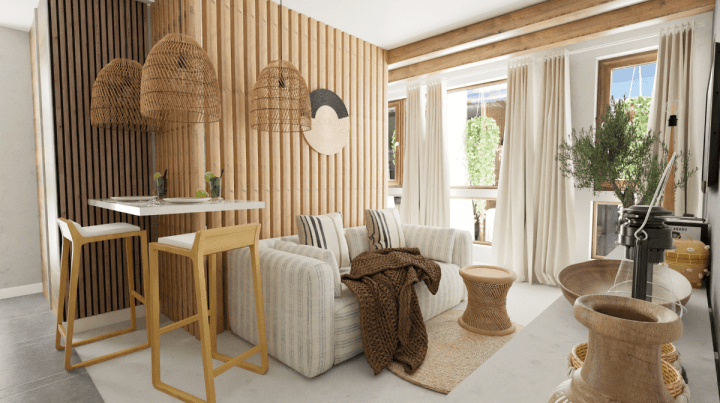
Modern homes are expected to deliver comfort, functionality, and visual appeal within increasingly efficient floor plans. Whether designing apartments, villas, or compact urban residences, homeowners seek interiors that maximize every square foot while maintaining elegance and personality. This is where space-saving interiors have become a key focus in contemporary design. Through strategic planning, smart furniture selection, and thoughtful layouts, professional designers create homes that feel spacious, organized, and aesthetically refined.
Why Space Optimization Matters in Modern Homes
Space optimization is no longer limited to small apartments. Even larger homes benefit from intelligent planning that enhances usability and flow. Efficient interior design helps homeowners:
- Improve daily functionality
- Reduce visual clutter
- Create organized living environments
- Increase storage capacity
- Enhance comfort and movement
- Improve long-term property value
A well-designed home balances practical requirements with visual harmony, ensuring that every area serves a meaningful purpose.
Understanding the Relationship Between Space and Style
One common misconception is that maximizing space requires sacrificing design aesthetics. In reality, effective interior design integrates both elements seamlessly.
Professional designers focus on:
1. Functional Planning
Every room is analyzed based on how it will be used. Furniture placement, circulation paths, storage needs, and activity zones are carefully considered before design decisions are made.
2. Visual Balance
Colors, materials, lighting, and textures are selected to create openness without making spaces feel empty or impersonal.
3. Personalized Solutions
Design strategies are tailored to individual lifestyles rather than applying generic layouts.
This approach allows homes to remain stylish while supporting everyday living requirements.
Smart Layout Planning Creates More Usable Space
The foundation of effective space optimization begins with layout planning.
1. Open Flow Design
Modern homes increasingly use connected living, dining, and kitchen spaces. Removing unnecessary barriers improves movement and creates a greater sense of openness.
2. Defined Functional Zones
Instead of adding walls, designers use furniture arrangements, rugs, lighting, and finishes to establish separate activity areas within open spaces.
3. Flexible Room Usage
Many contemporary homes require rooms to serve multiple purposes, such as:
- Home offices
- Study areas
- Guest accommodations
- Entertainment spaces
Designers create layouts that support changing needs without overcrowding interiors.
Built-In Storage Solutions Enhance Organization
Storage plays a major role in maximizing available space.
Rather than relying solely on freestanding furniture, designers often integrate storage into architectural elements.
1. Wall-Mounted Storage
Vertical storage utilizes unused wall space and keeps floors clear, making rooms appear larger.
2. Customized Cabinets
Tailored cabinetry helps homeowners utilize difficult corners, niches, and underused spaces more efficiently.
3. Hidden Storage Features
Storage can be incorporated into:
- Seating units
- Beds
- Staircases
- Window benches
- Entertainment units
These solutions reduce clutter while maintaining a clean visual appearance.
Multi-Functional Furniture Improves Efficiency
Furniture selection significantly influences how spacious a home feels.
Today’s homeowners increasingly prefer adaptable furniture that performs multiple functions.
Examples include:
- Extendable dining tables
- Foldable workstations
- Storage ottomans
- Convertible sofas
- Lift-up beds
The growing demand for space-saving interiors has encouraged designers to integrate flexible furniture that supports modern lifestyles without compromising visual appeal.
Strategic Lighting Creates a Sense of Openness
Lighting is one of the most powerful tools in interior design.
Proper lighting can make compact spaces appear larger and more inviting.
1. Natural Light Utilization
Designers prioritize daylight by:
- Maximizing window exposure
- Using sheer window treatments
- Positioning mirrors strategically
- Selecting reflective finishes
Natural light creates brightness and visual depth.
2. Layered Artificial Lighting
A combination of ambient, task, and accent lighting improves functionality while enhancing atmosphere.
Well-lit spaces naturally feel more spacious and welcoming.
Color Selection Influences Spatial Perception
Color psychology plays an important role in space optimization.
1. Light Neutral Tones
Soft shades often help reflect light and create a feeling of openness.
Popular choices include:
- Warm whites
- Soft greys
- Beige tones
- Muted earth colors
2. Strategic Accent Colors
Instead of overwhelming a room with bold shades, designers often use accent colors selectively to create focal points while maintaining visual balance.
This approach prevents spaces from feeling crowded or visually heavy.
Custom Furniture Maximizes Every Corner
Standard furniture dimensions do not always fit modern residential layouts.
Custom-designed furniture allows homeowners to utilize available space more efficiently.
Benefits include:
- Better room proportions
- Improved storage integration
- Personalized functionality
- Enhanced visual consistency
Tailored furniture solutions ensure that even compact areas contribute effectively to the overall design scheme.
Mirrors and Reflective Surfaces Enhance Spaciousness
Professional designers frequently use reflective elements to create the illusion of greater space.
1. Mirrors
Strategically placed mirrors can:
- Reflect natural light
- Increase perceived room depth
- Brighten darker areas
- Improve visual openness
2. Reflective Finishes
Materials such as glass, polished stone, and metallic accents contribute to a more expansive appearance without overwhelming the design.
Minimalism Supports Better Space Utilization
Modern interior design increasingly embraces intentional simplicity.
Minimalist design does not mean removing personality. Instead, it focuses on selecting meaningful elements that contribute to both function and aesthetics.
Key principles include:
- Thoughtful furniture selection
- Reduced visual clutter
- Clean architectural lines
- Organized storage systems
- Balanced decorative accents
This approach allows homeowners to enjoy beautiful interiors that remain practical and comfortable.
Technology and Smart Design Integration
Technology is becoming an important part of modern residential interiors.
Smart home solutions contribute to efficient space management through:
- Integrated entertainment systems
- Automated lighting controls
- Smart storage mechanisms
- Wireless device management
- Compact home office solutions
These innovations help reduce unnecessary equipment while improving convenience and usability.
Conclusion
Modern interior design proves that functionality and style can coexist seamlessly. Through smart layouts, customized storage, adaptable furniture, strategic lighting, and thoughtful material choices, designers create homes that are both efficient and visually appealing. Maximizing space without compromising aesthetics has become a hallmark of successful residential projects, making the expertise of home interior designers in Bangalore increasingly valuable for homeowners seeking comfort, practicality, and lasting design appeal.
If you are looking for professional interior design expertise, WeDezine Studio specializes in creating personalized residential spaces that combine functionality, aesthetics, and innovative planning. With a focus on thoughtful layouts, customized solutions, and contemporary design approaches, WeDezine Studio helps homeowners achieve interiors that are efficient, stylish, and tailored to their unique lifestyles.
