


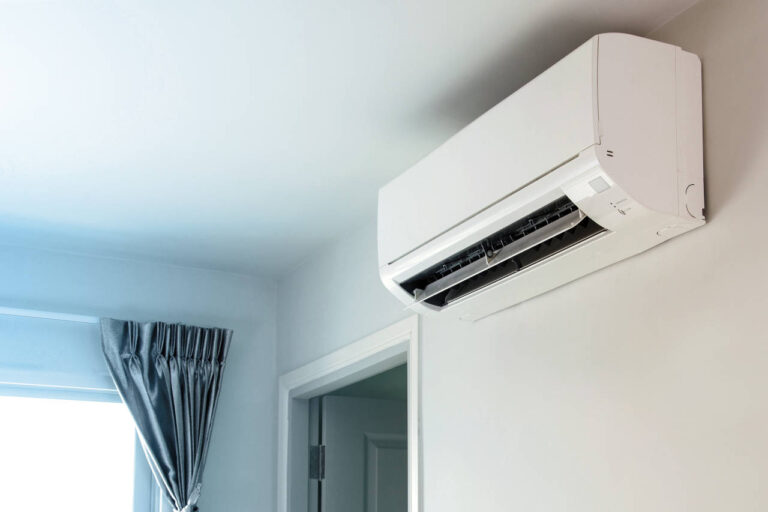
A 3 zone mini split system can be a practical solution for homeowners who want to heat and cool three separate rooms without adding ductwork. Instead of installing three separate outdoor units, a 3 zone mini split system uses one outdoor condenser connected to three indoor air handlers. This setup helps provide room-by-room comfort while keeping the outdoor layout cleaner.
Installation cost can vary widely because every home is different. Room size, system capacity, electrical work, indoor unit placement, and line-set distance all affect the final price. Before choosing a system, homeowners should understand what goes into the total cost and how to plan a realistic budget.
Average Cost to Install a 3 Zone Mini Split
The average cost to install a 3 zone mini split system is often around $6,500 to $11,000 for many residential projects. Some simple installations may cost less, while more complex jobs can go higher, especially if the home needs electrical upgrades, long refrigerant lines, or difficult indoor unit placement.
This estimate usually includes the outdoor condenser, three indoor air handlers, refrigerant line sets, basic installation materials, and professional labor. The final price also depends on the system’s BTU capacity. A setup for three small bedrooms will usually cost less than a system designed for a living room, finished basement, and large primary suite.
Homeowners should treat online price ranges as a starting point, not a fixed quote. A contractor will still need to check the room sizes, insulation, outdoor unit location, and electrical panel before giving an accurate installation price.
Main Factors That Change Installation Price
Several factors can move the cost of a 3 zone mini split system up or down. The first is capacity. Larger rooms need higher BTU indoor units, and a larger outdoor condenser usually costs more than a smaller one.
The second factor is installation layout. If all three rooms are close to the outdoor unit, the job may require shorter line sets and less labor. If the rooms are spread across different sides of the home or across multiple floors, installation can become more complicated.
Electrical work is another major cost factor. Many multi-zone systems need a dedicated circuit, and some homes may require panel updates or additional wiring. Labor rates also vary by location, contractor experience, and season. In busy summer months, HVAC installation quotes may be higher because demand is stronger.
Indoor unit type matters too. Wall-mounted units are often more straightforward to install. Ceiling cassette or concealed ducted units may require more planning, ceiling access, or finish work.
Why Three-Zone Systems Cost More Than Single-Zone Units
A single-zone mini split connects one outdoor unit to one indoor unit. A 3 zone mini split connects one outdoor condenser to three indoor units, so the system includes more equipment, more refrigerant lines, more drain lines, and more installation points.
The labor is also more involved. Each indoor unit must be mounted correctly, connected to the outdoor unit, tested, and positioned for proper airflow. The installer also needs to route line sets cleanly and make sure condensate drains correctly from each zone.
Even though a three-zone system costs more upfront than a single-zone unit, it can be more practical than installing three separate single-zone systems. Homeowners may prefer one outdoor condenser because it reduces exterior equipment, saves outdoor space, and creates a cleaner overall setup.
How to Plan Your Budget Before Installation
Before installation, homeowners should start by listing the three rooms they want to heat and cool. Each room should be measured, and key details should be noted, such as ceiling height, window exposure, insulation quality, and how often the room is used.
A clear budget should include more than just the unit price. Homeowners should also plan for:
- Professional labor
- Electrical work
- Line-set materials
- Drainage setup
- Wall or ceiling access
- Permit requirements, if applicable
- Future maintenance
It is also smart to compare quotes from licensed HVAC contractors. The lowest quote is not always the best choice if it does not include proper sizing, electrical review, vacuum testing, and clean line-set installation. A well-installed 3 head mini split can perform better and last longer than a cheaper system installed without enough planning.
When a 3 Zone Mini Split Is Worth the Cost
A 3 zone mini split is often worth the cost when three rooms have different comfort needs. It can be especially useful for older homes without ductwork, upstairs bedrooms that stay too warm, finished basements, home offices, sunrooms, or additions.
The biggest advantage is room-by-room control. A bedroom can stay cooler at night, a home office can stay comfortable during the day, and a guest room can stay off when it is not being used. This gives homeowners more flexibility than a single central thermostat.
A 3 zone mini split may also be worth considering when homeowners want a cleaner outdoor setup than multiple single-zone units. With one outdoor condenser supporting three indoor units, the system can provide multi-room comfort without crowding the outside of the home.
For homeowners who need heating and cooling in three separate spaces, the best approach is to compare the total installed cost with the comfort, flexibility, and long-term usability the system provides. When properly sized and professionally installed, a 3 zone mini split system can be a strong investment for multi-room comfort.
