


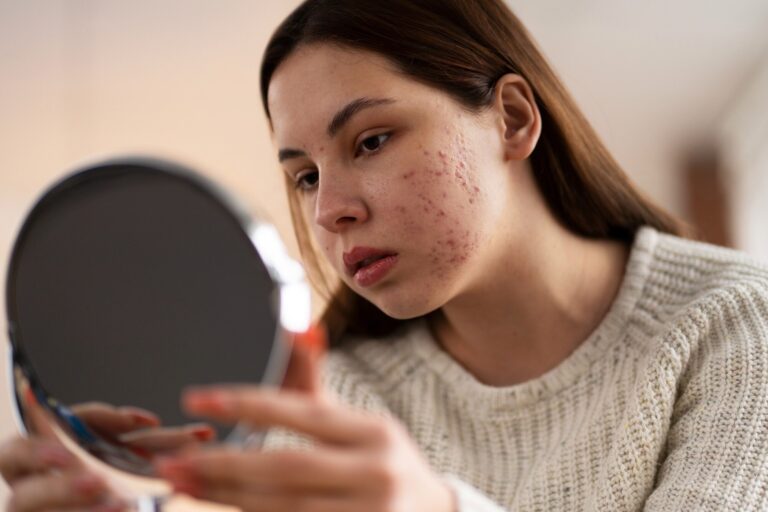
Navigating the aftermath of a sensitive skin acne treatment requires a shift in perspective. Once you have successfully calmed active breakouts, the goal moves from “attack” to “nurture.” For those with reactive complexions, the period following a treatment—whether it was a professional light therapy session, a gentle chemical peel, or a new prescription regimen—is a critical window where the skin barrier is often at its most vulnerable.
Maintaining a clear complexion while preventing redness and irritation involves more than just picking the right skin care cream; it is about the “mechanical” way you handle your skin and the environmental factors you control. Here is a comprehensive guide to managing your routine to ensure your acne stays away and your sensitive skin remains resilient.
1. Respect the “Healing Window”
Immediately following a concentrated acne treatment, your skin enters a reparative phase. Even if your skin looks clear, the underlying layers are working to rebuild the lipid barrier that was likely taxed during the clearing process.
- The 72-Hour Rule: For the first three days post-treatment, avoid introducing any new products. Your skin needs a “silent” environment to stabilize. Stick to the absolute basics: a gentle cleanser, a bland moisturizer, and sun protection.
- Avoid Physical Friction: Your skin may feel slightly tight or “thin.” Avoid using washcloths, facial brushes, or even aggressive towel-drying. Instead, use your fingertips to cleanse and “pat” your face dry with a clean, microfiber towel.
2. Simplify Your Active Ingredients
The most common mistake people make after seeing results from a sensitive skin acne treatment is immediately adding more “anti-aging” or “brightening” actives into their routine. This “kitchen sink” approach often triggers a relapse of inflammatory acne.
- The One-at-a-Time Method: If you want to introduce a new serum, wait at least two weeks after your acne has cleared. Introduce it once every three days for a week to monitor for a “micro-inflammatory” response (small red bumps that aren’t quite acne).
- Coordinate with Your Acne Care: If you are still using a maintenance topical for acne, ensure your other products don’t contain conflicting ingredients. For instance, avoid using Vitamin C at the same time as a retinoid, as the pH difference can cause stinging and redness in sensitive types.
3. Choosing the Right Skin Care Cream
Post-treatment hydration is not just about comfort; it is a biological necessity for preventing future breakouts. When skin is dehydrated, it produces more “thick” sebum to compensate, which can lead to clogged pores.
- Look for Barrier-Mimicking Lipids: A high-quality skin care cream for sensitive, acne-prone skin should contain ceramides, fatty acids, and cholesterol. These are the building blocks of your skin’s natural mortar.
- Humectant Harmony: Look for ingredients like Glycerin or Hyaluronic Acid. These draw moisture into the skin without needing the heavy, pore-clogging oils found in “rich” creams designed for dry (but not acne-prone) skin.
- The “Non-Comedogenic” Seal: Ensure your moisturizer is specifically labeled as non-comedogenic. This means it has been tested to ensure it doesn’t promote the formation of comedones (blackheads and whiteheads).
4. Temperature Control and Lifestyle Factors
Sensitive skin is often “thermally reactive.” Heat can cause vasodilation, which increases redness and can trigger the inflammatory pathways that lead to acne.
- Tepid Water Only: Hot water strips the natural oils from your skin instantly. Always wash your face with water that feels slightly cool or room temperature.
- Post-Gym Protocol: Sweat can be irritating to sensitive skin post-treatment. If you exercise, rinse your face with plain water immediately after your workout to remove salt and minerals, then apply your skin care cream once you are back in a cool environment.
- Pillowcase Hygiene: This is a classic tip for a reason. Use silk or bamboo pillowcases, which create less friction against sensitive skin, and change them every two to three days to prevent the buildup of bacteria and residual hair products.
5. Strategic Sun Protection
Sunlight is a major trigger for both acne inflammation and sensitivity. Furthermore, many acne treatments make the skin “photosensitive,” meaning you will burn faster and deeper than usual.
- Mineral Over Chemical: For sensitive skin, mineral sunscreens (Zinc Oxide or Titanium Dioxide) are generally superior. They sit on top of the skin and reflect UV rays like a mirror, whereas chemical filters absorb UV rays and turn them into heat, which can irritate sensitive pores.
- Year-Round Commitment: Even in the winter or on cloudy days, UV rays contribute to “post-inflammatory erythema”—the stubborn red marks that stay behind after a pimple has healed. Consistent SPF usage is the fastest way to make those marks fade.
6. The “Internal” Routine
Your skin’s ability to recover from a sensitive skin acne treatment is also influenced by your internal environment.
- Hydration from Within: While “drinking water” won’t cure acne, it does ensure that your skin cells are plump and functioning at their peak metabolic rate, which helps them heal from the “micro-trauma” of acne.
- Manage Stress Spikes: Cortisol, the stress hormone, is a direct trigger for sebum production. After your skin clears, maintaining a stable routine that includes adequate sleep is one of the best ways to prevent a hormonal flare-up.
7. Monitoring for “Stealth” Irritation
Sometimes, a routine seems fine for a week and then suddenly causes a flare-up. This is often “cumulative irritation.”
- Watch for the “Shiny” Look: If your skin looks unnaturally shiny (but isn’t oily to the touch) and feels tight, you have likely over-exfoliated or used a cream that is too “active.” Scale back to your most basic moisturizer for 48 hours.
- The Stinging Test: If your basic skin care cream suddenly starts to sting when you apply it, your skin barrier is “leaky.” This is a signal to stop all active treatments immediately and focus solely on barrier repair.
Final Thoughts
Managing your routine after a sensitive skin acne treatment is an exercise in restraint. It is tempting to do “more” to keep the skin clear, but for the sensitive-skinned individual, “less” is the most powerful tool in your arsenal. By focusing on a high-quality, barrier-supporting skin care cream, protecting yourself from the sun, and handling your skin with physical gentleness, you create an environment where acne cannot thrive.
Patience is your greatest ally. It takes roughly 28 days for a full cycle of skin cells to turn over; if you can maintain a calm, consistent routine through that full cycle, you are well on your way to lasting skin health and a radiant, irritation-free complexion.
