


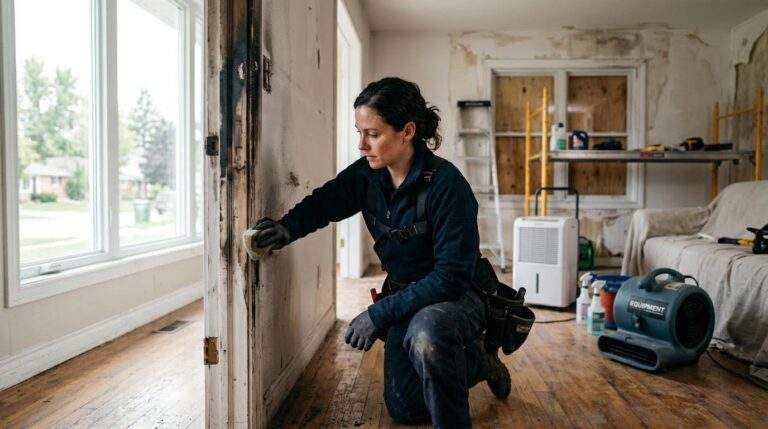
The first restoration call can shape how quickly a property owner gets to the right kind of help. A vague request such as “we have damage” may be accurate, but it can also leave too many unanswered questions about water, fire, smoke, mold, odor, weather exposure, contents, access, and business interruption.
That gap can cost time before any work begins. Homeowners may delay repairs while trying to describe the problem, and businesses may lose hours coordinating managers, tenants, employees, records, inventory, or customer-facing spaces without knowing which restoration service should come first.
Is This an Emergency or a Planned Request?
Some restoration situations need immediate attention because damage is active, spreading, or affecting access to the property. Standing water, smoke damage, storm openings, sewage backups, burst pipes, and exposed building areas can create decisions that should not wait for a casual service inquiry.
Other situations may still need professional review but allow more time for photos, documents, and internal approvals. Knowing which category the situation falls into can help the first call focus on response needs instead of a general description of damage.
What Caused the Damage?
The source of the damage affects nearly every next step. A roof leak, appliance failure, plumbing break, fire, storm event, sewage backup, or long-term moisture problem can point toward different restoration services and different questions.
If the source is still active, that should be mentioned early. A restoration conversation changes when water is still entering the property, smoke odor is spreading through shared areas, or weather exposure is continuing after structural damage.
Which Areas Are Affected?
Property owners should identify the rooms, floors, units, or building sections involved before calling. The first conversation is stronger when it includes whether the damage affects a basement, kitchen, bathroom, office, lobby, tenant unit, storage room, mechanical area, records room, or customer-facing space.
The size of the affected area also shapes the discussion. A single wet room, a multi-floor leak, a smoke-affected hallway, or a commercial area with inventory and equipment will not create the same restoration decisions.
What Materials or Contents Are Involved?
Restoration help is not only about walls and floors. Damage can involve carpet, drywall, cabinets, furniture, electronics, documents, inventory, upholstery, stored belongings, equipment, and other contents that affect cost and timing.
This question can prevent premature spending. Replacing furniture, flooring, records, or business assets too early may create waste if the property owner has not yet confirmed what can be cleaned, dried, moved, documented, restored, or discarded.
Which Service Category Seems Closest?
ServiceMaster Restore provides residential and commercial restoration services across several damage categories. These include water damage restoration, fire and smoke damage restoration, mold remediation, weather damage, odor damage, specialty services, ancillary services, and commercial pre-loss planning.
The caller does not need to diagnose the whole job before asking for help. It still helps to describe whether the concern appears closest to water, fire, smoke, mold, odor, storm, contents, property security, or a more complex cleanup situation.
Has Anyone Already Tried to Clean or Repair It?
Previous cleanup attempts can change what the provider needs to know. Fans, towels, wet vacuums, disinfectants, repainting, carpet cleaning, temporary patches, or partial demolition may affect what still needs to be reviewed.
This question also protects the owner from spending twice. If basic cleanup did not solve the smell, staining, dampness, or visible damage, the next call should address why the problem is returning rather than repeating the same surface fix.
Are There Occupants, Tenants, or Customers to Consider?
Residential and commercial restoration decisions carry different pressures. A homeowner may need to consider family access, belongings, sleeping areas, pets, or stored items, while a commercial property may need to consider tenants, employees, customers, operating hours, lease obligations, and shared spaces.
Those details should be part of the first call. A damaged area that affects business hours, customer trust, tenant complaints, or employee comfort may require different coordination than a room that can remain closed while the owner gathers information.
What Access Limits Could Slow the Work?
Access can become a hidden cost during restoration. Locked rooms, after-hours rules, security systems, parking restrictions, loading areas, elevators, building management requirements, and tenant permission can all slow the first response or complicate scheduling.
Commercial properties should be especially specific about access. If the affected area is inside a tenant space, secure room, warehouse, healthcare area, school, restaurant, office, or multi-unit building, the provider needs to know who can approve entry and when access is possible.
What Should Be Documented Before Work Starts?
Photos, videos, affected room lists, damaged item lists, dates, incident details, insurance contacts, and repair history can help organize the restoration conversation. Documentation can also help the property owner explain the situation to internal decision-makers, tenants, or insurers.
The documentation should capture both visible damage and operational impact. For a business, that may include closed areas, damaged inventory, equipment concerns, tenant complaints, lost access, or areas that cannot be used until restoration decisions are made.
What Should Not Be Fixed Too Early?
Some repairs should wait until the damage source and restoration needs are better understood. New paint, flooring, cabinets, furniture, or cosmetic repairs may not hold up if moisture, smoke, odor, contamination, or structural exposure remains unresolved.
This is one of the most valuable questions to ask before spending money. Property owners should understand which work can proceed, which work should pause, and which repairs may need to follow cleanup, drying, remediation, or damage assessment.
How Are Service Availability and Pricing Confirmed?
ServiceMaster Restore services are provided by independently owned and operated franchises or corporate-owned branches. Prices, service details, and availability can vary by location, so the local provider should confirm what applies to the property.
That question prevents assumptions before the work begins. Property owners should ask which services are available locally, how the scope is determined, what information is needed for an estimate, and whether the situation requires emergency response or scheduled support.
Who Needs to Be Involved in the Decision?
Restoration decisions can slow down when the wrong person makes the first call alone. Homeowners may need input from another property owner or insurer, while businesses may need facility managers, operations leaders, landlords, tenants, security teams, or finance contacts involved.
A clear contact structure can prevent repeated explanations. The caller should know who can approve work, who receives updates, who provides access, and who needs documentation once the restoration process begins.
How to Make the First Call More Productive
Before contacting ServiceMaster Restore, the caller should have a short, factual summary ready. The summary should explain what happened, when it happened, where the damage is located, whether the source is controlled, what materials are affected, and whether the property is residential or commercial.
The call does not need to solve every restoration question immediately. It should give the local provider enough information to discuss the likely service category, response urgency, and next step without forcing the property owner to guess at the full scope.
Turning the Call Into a Better Restoration Decision
Restoration help becomes easier to request when the owner asks better questions before the first conversation. The right details can reduce repeated explanations, limit wrong assumptions, and help separate urgent service needs from repairs that should wait.
ServiceMaster Restore gives homeowners and businesses a direct way to discuss damage from water, fire, smoke, mold, weather, odor, and complex cleanup situations. Call 866.867.3123 or use the official location search to connect with a local ServiceMaster Restore provider and ask which service options fit the property damage, location, and timing.
Frequently Asked Questions
What should I know before calling ServiceMaster Restore?
Know what happened, when it happened, which areas are affected, and whether the damage source is still active. It also helps to note affected materials, visible damage, odors, moisture, access limits, and whether the property is residential or commercial.
Do I need to know the exact restoration service before calling?
No, you do not need to identify the exact service before contacting ServiceMaster Restore. You should describe the damage clearly so the local provider can discuss whether the situation may involve water damage restoration, fire and smoke damage restoration, mold remediation, odor damage, weather damage, specialty services, or another service category.
Should I start repairs before requesting restoration help?
Avoid major repairs until the damage source and restoration needs are understood. Cosmetic work such as repainting, replacing flooring, or buying new furniture may waste money if moisture, smoke, odor, contamination, or hidden damage still needs attention.
Why can pricing or service details vary by location?
ServiceMaster Restore services are provided by independently owned and operated franchises or corporate-owned branches. Property owners should confirm pricing, availability, and service scope with the local provider before making decisions based on a general service description.
