


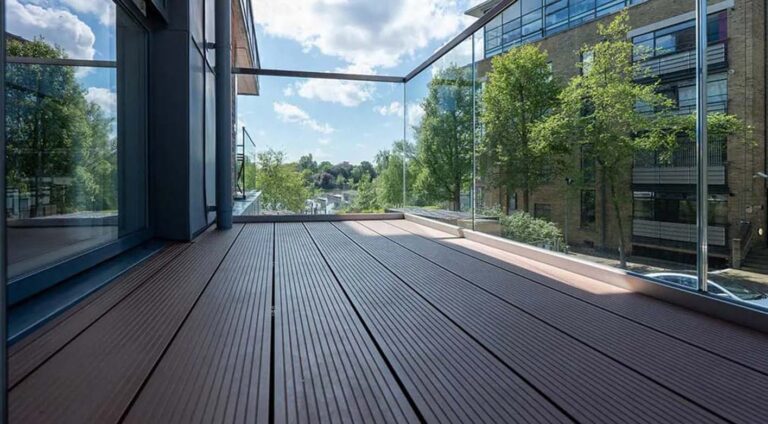
Outdoor living spaces are a central feature of Australian homes, used for entertaining, relaxation, and everyday access between indoor and outdoor areas. The materials used in these spaces need to perform reliably under changing weather conditions while maintaining appearance over time. Aluminium Decking Design is gaining popularity because it offers a durable and low-maintenance alternative that suits these requirements.
For homeowners planning outdoor upgrades, exploring modern aluminium decking designs provides a practical way to achieve a long-lasting and consistent finish without ongoing maintenance demands.
Consistent Performance in Australian Conditions
Outdoor decks in Australia are exposed to UV radiation, rainfall, humidity, and daily foot traffic. Materials that absorb moisture or react to temperature changes can shift, crack, or degrade over time.
Aluminium provides a stable solution because it does not absorb water. This allows it to maintain consistent dimensions in varying conditions, reducing movement between boards and helping preserve a level surface.
Guidance from Standards Australia highlights the importance of materials that resist environmental degradation. Aluminium meets this requirement by maintaining performance across coastal, humid, and exposed environments.
Reduced Maintenance Requirements
Maintenance is a key factor when selecting decking materials. Timber decks often require ongoing sealing, oiling, and repairs to protect against weather exposure and biological damage.
Aluminium decking design removes most of these requirements. The surface does not need regular treatments, and cleaning typically involves removing dirt and debris with water.
Because aluminium is not organic, it does not support rot, mould, or termite activity. This reduces both maintenance time and long-term costs, making it a practical choice for homeowners who prefer a low-maintenance outdoor space.
Fire-Resistant Properties for Safer Outdoor Areas
Material selection plays an important role in how homes respond to bushfire risks. Aluminium is non-combustible, meaning it does not ignite or contribute to flame spread.
The Commonwealth Scientific and Industrial Research Organisation emphasises the importance of reducing combustible materials in bushfire-prone areas. Using aluminium decking supports this approach by lowering the amount of flammable material in outdoor construction.
While overall compliance depends on full system design and site conditions, the base material provides a safer starting point compared to traditional alternatives.
Strength and Structural Reliability
Aluminium offers a high strength-to-weight ratio, allowing it to support loads without adding excessive weight to the structure. This contributes to a stable and reliable deck surface.
Precision manufacturing ensures consistent board dimensions, which improves alignment and spacing across the deck. This consistency supports both structural performance and visual quality.
For example, a deck built with uniform aluminium boards maintains a cleaner and more consistent finish, reducing the likelihood of uneven surfaces or gaps developing over time.
Ideal for Coastal and Wet Environments
Decking near pools or coastal areas is exposed to higher levels of moisture and, in some cases, salt air. Materials that absorb water or degrade under these conditions often require frequent repairs.
Aluminium is well suited to these environments because it does not retain moisture and can be treated with finishes that resist corrosion. This makes it a reliable option for pool surrounds, balconies, and coastal properties.
Correct installation, including drainage and appropriate fixings, remains important, but the material itself provides a strong foundation for long-term performance.
Supporting Sustainable Building Practices
Sustainability in construction depends on both material durability and lifecycle impact. Aluminium is recyclable and can be reused without significant loss of quality.
The Green Building Council of Australia promotes the use of durable materials that reduce the need for replacement. Aluminium aligns with this approach by offering a longer lifespan compared to materials that degrade more quickly.
A longer service life reduces waste and contributes to more sustainable building outcomes over time.
Long-Term Cost Efficiency
The initial cost of decking materials does not always reflect long-term value. Materials that require ongoing maintenance or early replacement can result in higher overall costs.
Aluminium decking design reduces these ongoing expenses. With minimal maintenance requirements and reduced risk of structural issues, the total cost of ownership becomes more predictable over time.
This lifecycle approach is influencing material choices for homeowners looking to invest in durable outdoor solutions.
Designed for Modern Outdoor Living
Outdoor areas are increasingly used as extensions of indoor living spaces. Decking must support a range of activities, including dining, entertaining, and relaxation.
Modern aluminium decking designs provide a stable and durable surface that performs consistently throughout the year. This allows homeowners to use outdoor spaces regularly without concerns about wear or maintenance.
The clean and consistent appearance also supports a more cohesive design, especially when integrated with pergolas, balustrades, and other outdoor features.
A Practical Choice for Long-Term Outdoor Performance
Aluminium decking design is gaining popularity because it provides a durable, low-maintenance solution that performs reliably in Australian conditions. Its resistance to moisture, fire, and structural movement supports consistent use across a range of environments.
For homeowners focused on long-term performance and reduced upkeep, aluminium decking offers a practical approach to outdoor construction. By combining durability with ease of maintenance, it supports outdoor spaces that remain functional and visually consistent over time.
