


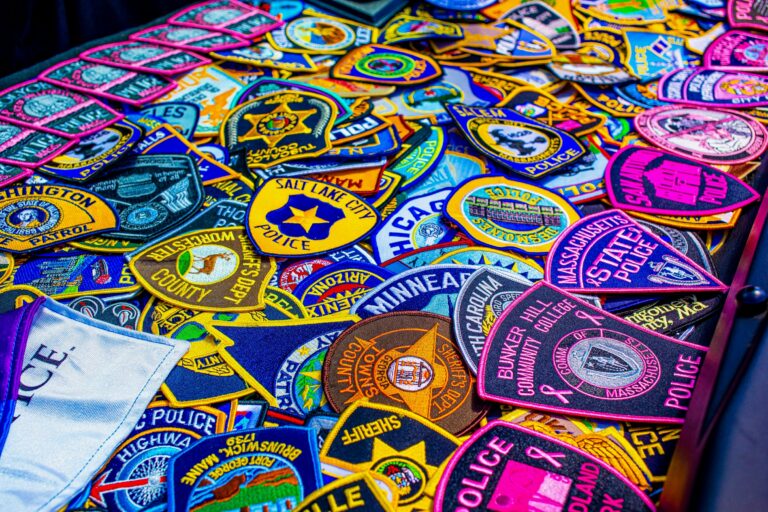
Marketing keeps changing, but one thing stays the same. Brands want people to remember them. They want something that feels real, something people can touch and keep. That is where personalized patches come in. They are simple, but they create a strong connection between a brand and its audience.
Personalized patches are not new, but the way brands use them today is different. They are no longer just for uniforms or clubs. Now they are part of streetwear, events, giveaways, and even product packaging. Brands use them because they stay with the customer longer than most ads.
Here are the key reasons why brands are choosing personalized patches as a smart marketing move.
They Create a Strong Sense of Identity
Personalized patches help brands show who they are in a very clear way. When a brand gives out a patch, it is not just a piece of fabric. It becomes a symbol that people can wear and share. This builds a sense of belonging among customers.
For example, a brand can create a patch inspired by something cultural, like a Cuban flag, to connect with a specific audience. When people relate to a brand, they are more likely to support it and talk about it with others.
They Make Customers Feel Part of a Group
People like being part of something bigger than themselves. Patches help brands create that feeling. When customers wear a patch, they feel like they belong to a community.
This is clear when brands use items like letterman jacket patches as part of their campaigns. These patches remind people of unified teams and shared experiences. That emotional link makes customers stay loyal to the brand for a longer time.
They Turn Customers into Walking Promotion
One of the biggest reasons brands use patches is simple. When someone puts a patch on a jacket or bag, they carry the brand everywhere they go.
This means free exposure without ongoing cost. Every time someone sees that patch, the brand gets attention without spending more money.
They Last Longer Than Digital Ads
Digital ads come and go fast. People scroll past them without thinking. Patches are different. They are physical, and they last.
A patch can stay on clothing for years. Even if the person stops wearing that item often, the patch still exists. It can be reused, moved, or kept as a memory. This gives brands a longer presence in the customer’s life.
They Add Value to Products
Brands often look for ways to make their products feel more special. Adding a patch can do that without raising costs too much.
When a customer receives a patch with a purchase, it feels like a bonus. It makes the product feel more thoughtful. This small addition can improve how people see the brand and make them more likely to buy again.
They Are Easy to Customize for Different Campaigns
One of the strongest points of personalized patches is flexibility. Brands can design them in many styles, sizes, and colors. This makes it easy to match different campaigns.
For example, a brand can create limited patches for a seasonal event or a special release. This keeps things fresh and gives customers a reason to collect them. It also helps brands stay active without changing their main products.
They Work Well Across Different Audiences
Not every marketing tool works for all groups, but patches do. They appeal to both younger and older audiences.
Younger people use patches to express style, while older customers may see them as something meaningful or nostalgic. This wide appeal makes patches useful for brands that target different age groups at the same time.
They Encourage Repeat Engagement
When brands release patches in series, people often want to collect them. This creates a reason to keep coming back.
Customers may look forward to the next design or edition. This builds ongoing interest in the brand. Instead of a one-time interaction, patches help create a long-term relationship between the brand and the customer.
They Support Offline Marketing Efforts
Many brands focus too much on online marketing and forget about offline spaces. Patches bring attention back to the real world.
They work well at events, pop-up shops, and local campaigns. When people receive something they can wear, it makes the experience more memorable. This helps brands stand out in crowded spaces.
They Are Cost-Effective for Long-Term Use
Marketing budgets are always a concern. Brands need tools that give good value over time. Patches do that.
Once produced, they keep working without extra cost. There is no need to keep paying for impressions or clicks. This makes them a smart choice for brands that want steady exposure without ongoing spending.
They Build Emotional Connection
People connect with things they can touch and keep. Patches often become more than just items. They carry memories.
A patch received at an event or as part of a campaign can remind someone of a good experience. This emotional link makes the brand more meaningful. When customers feel something, they are more likely to stay loyal.
They Fit Into Everyday Style
Marketing works best when it blends into daily life. Patches do that naturally. People add them to jackets, bags, hats, and more.
This makes the brand part of everyday style without feeling forced. Instead of interrupting the customer, the brand becomes part of how they present themselves. That kind of presence is hard to achieve with other marketing methods.
They Help Brands Stand Out Without Noise
Many marketing channels are crowded. People see too many ads every day, and most of them are ignored.
Patches offer a quieter approach. They do not compete for attention in the same way. Instead, they make impressions over time. This slow and steady impact helps brands stand out without adding more noise.
Final Thoughts
Personalized patches give brands a simple but effective way to connect with people. They last longer than digital content, fit into daily life, and create real value for customers. They also help build loyalty without relying on constant promotion.
Brands that use patches are not just trying to sell something. They are creating something people want to keep. That is why more brands are choosing this approach as part of their marketing strategy.
