


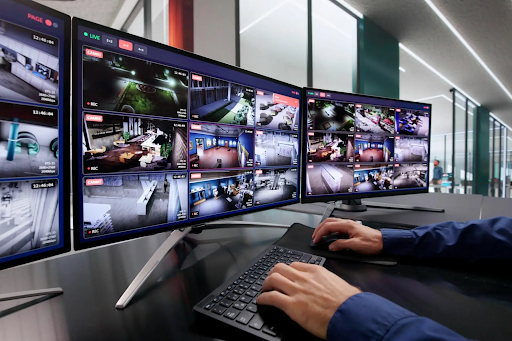
Modern rail networks serve as the backbone of global transit, yet they face constant challenges that threaten safety and reliability. As these systems expand, the need for robust oversight becomes clear, particularly for safeguarding remote assets. Implementing a comprehensive 24/7 remote video monitoring strategy provides the visibility needed to address these issues before they turn into major disruptions. By integrating smart technology into existing workflows, operators can transition from reactive measures to a proactive, data-driven security posture.
Enhancing security against unauthorized access
Securing miles of track presents a challenge unlike any other, with vulnerabilities scattered across vast, often unstaffed territories. Traditional patrol methods are rarely enough to stop those who intentionally bypass safety barriers, making continuous observation essential. By leveraging advanced video tools, transit authorities gain a reliable way to monitor their territory from a centralized hub, ensuring unauthorized activity is spotted immediately.
Deterring cable theft and vandalism
Copper cable theft causes significant delays and expensive infrastructure repairs. By maintaining a constant watch over these high-value components, security teams can verify threats in real time and act before thieves successfully cut power or signal lines.
Detecting unauthorized personnel near high-risk zones
High-risk areas, such as bridges and tunnels, require additional scrutiny to ensure no one wanders into a life-threatening environment. Continuous video feeds allow staff to quickly identify trespassers, enabling them to be warned or escorted out before an accident occurs.
Securing remote switchgear and signal boxes
Switchgear and signal boxes are critical components that keep trains running safely. When using a solution like Eagle Eye Remote Video Monitoring, operators can protect these remote assets against tampering by monitoring cabinet integrity and surrounding activity.
Coordinating with local law enforcement for rapid response
When a security breach requires external help, having verified information changes everything. By sharing live video data, teams help police arrive at the scene with a clear understanding of the situation, significantly cutting down on response times.
Improving operational efficiency across the network
Beyond basic security, the visual data gathered by these systems serves as a foundation for better management of the entire rail system. When operators have a clear view of their network, they can make informed decisions that save time and keep service on schedule. This shift toward intelligent oversight removes the guesswork from traditional maintenance scheduling.
Reducing manual inspection requirements
Manual track inspections are resource-heavy and slow down scheduled maintenance cycles. Instead of sending out teams for every minor check, staff can rely on remote views to confirm conditions across multiple locations simultaneously.
Monitoring track health in real time
Constant monitoring allows for the observation of environmental changes like track displacement or vegetation growth. This proactive approach to asset management ensures that teams understand the state of the line without leaving their desks.
Identifying maintenance issues before they escalate
Maintenance should be calculated and efficient, rather than reactive or emergency-based. To help teams prioritize, here is how monitoring changes the workflow:
| Observation Source | Typical Action | Benefit |
| Visual Analytics | Automated Alert | Faster diagnostics |
| Incident Logs | Historical Data | Improved planning |
| Remote Cameras | Immediate Check | Lower travel costs |
The table above illustrates how shifting to digital oversight impacts daily tasks. By logging and analyzing visual data properly, rail organizations ensure their maintenance dollars are spent where they actually save the most time.
Optimizing traffic flow through intelligent visual oversight
Managing train congestion requires precise information on platform and yard occupancy. Intelligent visual oversight provides the data needed to keep traffic moving smoothly, preventing bottlenecking and ensuring that passenger trains stay on time.
Leveraging AI for proactive incident management
Modern intelligent systems have moved past simple recording, using advanced analytics to interpret the activity they capture. This level of automation ensures that human staff spend their time handling real emergencies rather than watching empty tracks. By using DGA’s iWatch Live Video Monitoring, companies can effectively process events at scale without overwhelming their dispatchers.
Filtering out non-critical activity with smart analytics
AI serves as a powerful filter that ignores everyday movement like swaying trees or passing animals. This narrows the scope of investigation to human or vehicular activity, ensuring the security team only reviews relevant alerts.
Detecting track obstruction and debris in real time
Obstructions on the line present a major safety risk at any hour of the day or night. Automated detection systems flag these hazards immediately, providing enough cushion to alert approaching trains or deploy cleanup crews.
Utilizing thermal imaging for night operations
Thermal imagery allows teams to maintain site visibility even in absolute darkness. This allows for effective operations across critical infrastructure without needing constant, bright artificial lighting that might disrupt nearby wildlife or residential areas.
Automating alerts for emergency situations
To ensure nothing slips through the cracks, teams should utilize automated notification workflows. Key protocols include:
- Linking detection events to centralized security consoles.
- Distributing high-priority notifications to designated staff mobile devices.
- Triggering secondary systems like emergency lighting or audio warnings.
- Generating automated reports for post-incident review.
These automated steps ensure that every team member knows their exact role during a developing emergency. Having a pre-defined process prevents confusion and ensures that everyone follows the same safety procedures.
Controlling costs and managing public liability
Managing a major network is an expensive endeavor, and liability claims can further strain budgets if incidents are not properly documented. Transitioning to professional remote monitoring is an investment that lowers overall financial risk in several measurable ways.
Reducing the need for onsite security personnel
Deploying guards to every remote point is often not feasible or financially sustainable. Centralizing visual monitoring lets a small, highly trained team manage wide areas that would otherwise require dozens of on-site workers.
Lowering insurance premiums through documented risk mitigation
Insurance providers favor organizations that demonstrate a proactive stance on safety. Providing clear evidence of risk mitigation often results in better coverage terms and lower annual premiums for the operators.
Providing forensic evidence for incident investigations
Comprehensive video archives serve as an unassailable record of events. Whether it is a minor equipment malfunction or a serious trespass, having this data ready makes internal investigations much faster and less expensive.
Demonstrating professional diligence in safety protocols
By leveraging the Alarm.com for Business platform, operators can ensure that every policy is backed by visual verification. This visible commitment to safety standards establishes professional diligence that protects the rail organization during audits or legal inquiries.
Streamlining regulatory compliance and reporting
Railways must operate within strict guidelines, and documentation is the most time-consuming part of that responsibility. Automating the evidence-collection process ensures that operators are always ready to prove they are meeting all relevant federal and local standards.
Maintaining searchable audit trails for all events
Regulatory bodies often require proof of past actions during compliance reviews. A searchable video archive allows you to pull up historical events in seconds rather than spending hours digging through analog tapes.
Simplifying data collection for government regulators
When inspectors ask for information, digital systems allow for granular reporting. You can provide specific clips and movement data without needing to pull logs from multiple disconnected sites.
protecting crew and passenger safety records
Safety records are the most important metric for any transit line. Detailed visual reporting allows management to prove that protocols were followed during every shift, providing a layer of protection for both the crew and the riding public.
Updating stakeholders with transparent visual reporting
Transparency builds trust with the public and relevant government agencies. Regular reports backed by clear visual data showing improvements or corrective actions help maintain support for ongoing infrastructure investments.
Conclusion
Investing in a modern 24/7 observation framework is essential for maintaining a safe, efficient, and compliant rail network. By combining AI-driven analytics with real-time human oversight, organizations can secure their assets more effectively than ever before. This integrated approach not only cuts costs and reduces crime but also provides a clear, defensible record of activity for regulators and stakeholders alike, ensuring the rail system remains a reliable transit method for the long term.
Frequently Asked Questions
How does video monitoring help with rail security?
Video monitoring provides eyes on the ground across vast, remote areas, allowing for immediate awareness of unauthorized access or infrastructure tampering.
Can AI systems distinguish between trains and intruders?
Yes, modern AI systems use sophisticated object recognition to identify humans and vehicles while ignoring the regular, expected movement of trains within the system.
What are the main benefits of real-time alert systems?
Real-time alerts enable security teams to verify threats instantly and coordinate law enforcement response, often stopping an incident before it causes actual damage.
Do remote systems perform well in bad weather or at night?
Modern thermal and infrared imaging technologies ensure video feeds remain clear and useful even in darkness, heavy rain, or fog.
How is evidence managed for legal or insurance purposes?
Systems with secure, cloud-based storage automatically save event-based footage, creating a searchable archive that can be used for forensic analysis or compliance audits.
Is this technology expensive to implement?
While the initial investment is required, it often translates into long-term savings by reducing the need for costly manual patrols and minimizing losses from theft or vandalism.
How does monitoring improve operational safety?
It alerts management to environmental hazards, such as debris on the track, enabling rapid maintenance and preventing potential collisions or service disruptions.
