


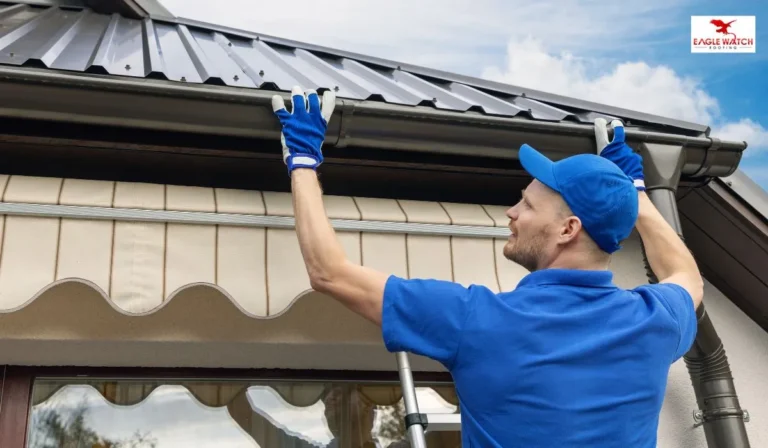
Gutters have a tendency to be overlooked by many homeowners, who may only think to pay them any attention when leaves start piling up. However, if they aren’t addressed in a timely manner, even small gutter problems can lead to larger issues around a property. A minor leak, a loose section, or a clogged downspout may seem insignificant at first, but these seemingly harmless problems can gradually result in more extensive and expensive repairs.
Gutter systems play an important role in directing rainwater away from the home, and when they function properly, they help protect the roof, siding, foundation, and landscaping. When they begin to fail, though, water can end up in places it was never intended to be.
Common Small Gutter Issues
Many gutter problems start small and worsen over time. Some common examples are:
- Small cracks or holes in the gutters
- Loose gutter fasteners
- Minor sagging along the gutter line
- Partially clogged downspouts
- Separated gutter joints
- Overflow during moderate rainfall
Because these issues often develop gradually, homeowners may not notice them right away, but unfortunately, the onset of water damage doesn’t require a major gutter failure.
Water Damage Often Starts Slowly
One reason gutter maintenance is so important is that water damage tends to evolve quietly. A small leak can repeatedly expose the same area of siding or fascia to moisture, and over time, this can lead to:
- Wood rot
- Mold growth
- Peeling paint
- Stained exterior surfaces
- Damaged insulation
The longer the moisture remains, the greater the likelihood that structural materials will deteriorate.
Foundation Problems Can Begin at the Roofline
Left unchecked, gutter issues can eventually affect a home’s foundation. When water is not properly diverted away, it often pools near the base of the house, and repeated saturation of the soil around a foundation can contribute to shifting, settling, and cracking. While it usually takes foundation problems a long time to develop, poorly functioning gutters are frequently one of the precipitating factors. Proper drainage is one of the most important ways homeowners can help protect the structural integrity of their home.
Landscaping Can Also Suffer
Overflowing gutters cause concentrated amounts of water to be dumped onto flower beds, shrubs, and lawns. Although plants need water, this excessive runoff can create problems such as:
- Soil erosion
- Exposed roots
- Washed-out mulch
- Damaged garden beds
- Divots or trenches in the lawn
These issues can affect both the health and curb appeal of a property’s landscaping.
Recognizing Warning Signs Before Damage Grows
Routine visual inspections can help homeowners identify gutter problems before they turn into major repairs. Look for signs of:
- Water spilling over edges
- Visible sagging
- Rust spots
- Stained siding
- Puddles near the foundation after rainfall
Checking gutters a few times a year, especially after storms and during the fall, can help catch problems early. Professional gutter maintenance or inspections can also be beneficial if you have concerns.
Protecting Your Home Through Preventative Maintenance
Small gutter problems rarely stay small, so by paying attention to early warning signs and promptly addressing any issues, homeowners can help ensure their gutter system continues to provide the protection their home depends on.
