


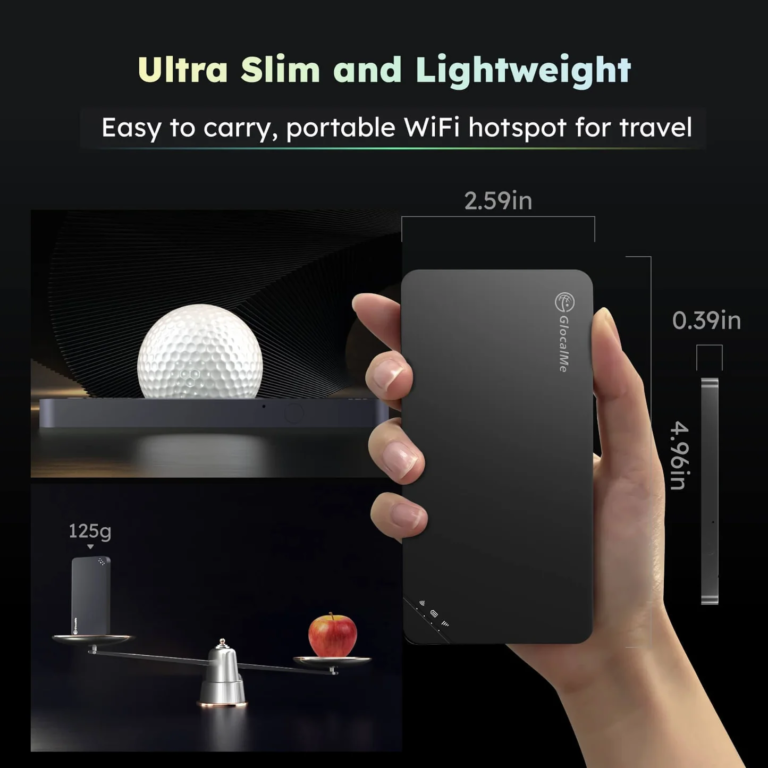
In an era where digital access determines productivity, communication, and even lifestyle flexibility, the need for reliable internet has expanded far beyond homes and offices. People are working from airports, attending meetings from moving vehicles, and managing businesses while traveling across countries. In this evolving environment, portable WiFi devices and portable WiFi hotspot solutions have emerged as powerful tools that deliver internet access without limitations.
What makes these technologies stand out is not just mobility, but independence. Unlike fixed broadband or unreliable public networks, they provide users with a private, controlled, and consistent connection that adapts to their movement rather than restricting it.
A Shift from Fixed to Flexible Connectivity
The traditional model of internet access was built around fixed locations—homes, offices, and designated WiFi zones. However, modern users demand flexibility. Portable WiFi devices answer this demand by enabling internet access anywhere there is cellular coverage.
Portable WiFi hotspot functionality takes this a step further by transforming a single connection into a shared network. This means users are no longer dependent on location-specific internet sources. Whether you are in transit, exploring remote destinations, or working in temporary setups, connectivity remains uninterrupted.
This shift represents a major change in how people interact with the digital world. Internet access is no longer tied to a place—it moves with the user.
How Portable WiFi Devices Actually Work
At their core, portable WiFi devices act as compact routers. They connect to mobile data networks and convert that signal into a WiFi connection that multiple devices can use. This process is seamless and requires minimal technical knowledge from the user.
Unlike smartphone hotspots, these devices are purpose-built. They are equipped with stronger antennas, better signal processing capabilities, and optimized hardware designed specifically for continuous connectivity. This results in more stable performance, especially in areas where mobile signals fluctuate.
Another advantage is device independence. Since the portable WiFi device handles connectivity, your smartphone, tablet, or laptop does not need to manage network distribution. This separation improves efficiency and ensures better overall performance.
Portable WiFi Hotspot: More Than Just Sharing Internet
While the term portable WiFi hotspot is often associated with sharing a connection, its role goes far beyond basic functionality. It acts as a central hub for digital activity, supporting multiple users and devices without compromising speed or security.
This becomes particularly valuable in group scenarios. For example, a team working remotely can connect several devices to a single hotspot, maintaining consistent communication and workflow. Similarly, families traveling together can avoid the complexity of managing multiple data plans by relying on one shared network.
Security is another critical aspect. Public WiFi networks are often vulnerable to cyber threats, whereas a private hotspot offers a controlled and secure environment. This makes portable WiFi hotspots a preferred choice for professionals handling sensitive data.
Real-World Scenarios Where It Makes a Difference
The true value of portable WiFi devices becomes evident in real-world use cases. Consider international travel, where accessing local networks can be complicated and expensive. A portable WiFi solution eliminates these challenges by providing immediate and reliable connectivity.
In business settings, these devices support uninterrupted operations. Professionals can attend virtual meetings, access cloud platforms, and communicate with teams without worrying about network instability. This level of reliability directly impacts productivity and efficiency.
Even in everyday situations, such as commuting or working from public spaces, portable WiFi hotspots ensure that users remain connected without relying on inconsistent public networks. This consistency enhances both convenience and performance.
Evaluating Performance and Efficiency
Performance is a defining factor when choosing any connectivity solution. Portable WiFi devices are designed to deliver stable speeds across multiple connections. Their dedicated hardware ensures that bandwidth is distributed efficiently, preventing slowdowns even when several devices are connected.
Battery life is another area where these devices excel. Most portable WiFi units are built to last an entire day on a single charge, making them suitable for long travel hours or extended work sessions. This reliability reduces the need for constant recharging and enhances user experience.
Efficiency also extends to data usage. Many devices allow users to monitor and manage their data consumption, ensuring better control over costs and usage patterns.
Cost vs Value: A Practical Perspective
While portable WiFi devices may require an initial investment, their long-term value often outweighs the cost. For individual users, they provide a reliable alternative to expensive roaming charges. For groups, they offer a cost-sharing advantage that significantly reduces overall expenses.
The ability to connect multiple devices under one plan makes these solutions economically practical. Instead of purchasing separate data packages for each device or user, a single portable WiFi hotspot can meet the needs of الجميع.
This balance between cost and functionality makes portable WiFi devices a smart investment for both short-term and long-term use.
Looking Ahead: The Role of Portable Connectivity
As digital demands continue to grow, portable WiFi devices and hotspot technology are expected to become even more advanced. Improvements in network speed, battery efficiency, and global compatibility will further enhance their usability.
The future of connectivity is not just about speed—it is about accessibility and adaptability. Portable WiFi solutions embody this future by offering internet access that aligns with modern lifestyles. They remove barriers, simplify connectivity, and empower users to stay online regardless of location.
In conclusion, portable WiFi devices and portable WiFi hotspot technology are more than just alternatives to traditional internet—they are essential tools for a connected world. Their ability to deliver reliable, secure, and flexible connectivity makes them indispensable for anyone navigating today’s digital landscape.
