


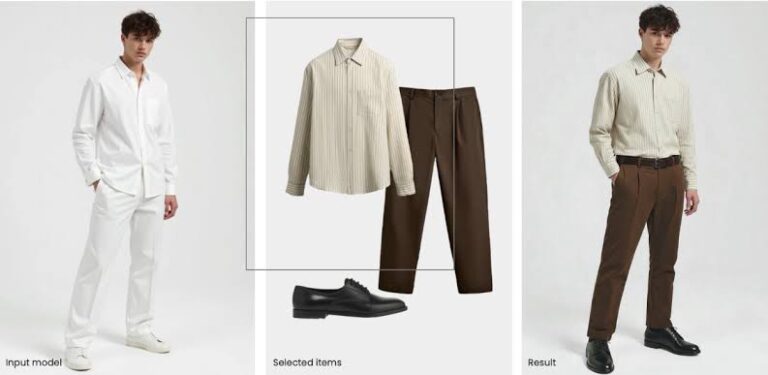
Nowadays, most AI try-on tools swap clothes onto a body photo with high visual realism. Just upload a photo or pick a model, then choose a dress or jeans, and in seconds you see a styled look that could pass for a real shoot at thumbnail size. For fashion e‑commerce, this has changed content production. Tools can turn a flat product image into an on‑model shot, preserving drape, lighting, and camera angle so it looks like a real campaign image. But is it good enough to trust when choosing a perfect outfit? Let’s get the answer together.
Do You Trust AI Virtual Try-on to Choose the Right Outfits?
The answer depends on what you expect it to do. You can trust it to:
Narrow your choices before you buy
Shoppers who use virtual try-on are more likely to complete purchases and less likely to return them, which suggests they feel more certain about what they keep.
Act as your stylist consultant
Some AI tools provide complete outfits, suggest similar items, and use your past behavior to refine style recommendations. They are closer to a visual personal shopper than a digital fitting room attendant.
In short, you don’t rely on AI to decide what they like, but they do trust it to narrow options, visualize fit, and validate decisions before checkout. So, your confidence goes up, stores conversions improve, and returns go down.
Does Virtual Try-on Actually Work?
Actually, retailers are chasing fewer returns and higher conversion. Try on clothes ai is starting to deliver both. According to data, show that when brands add realistic AI try-on and AI‑generated model photos, product click‑through rates can rise by around 7–8% and overall purchase conversion can increase by about 50–60%. At the same time, merchants report up to 79% marketing design cost savings and as much as 90% time savings in content production when they replace parts of traditional photoshoots with AI tools. In real deployments, clients using AI virtual try‑on have also seen returns related to fit and design fall by as much as 40%, because shoppers get a clearer, more realistic view of how garments look before they buy.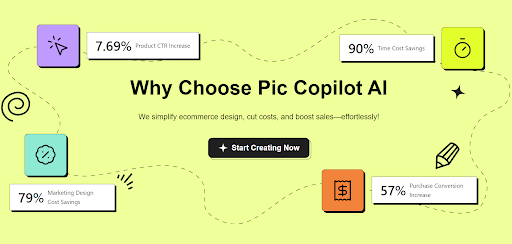
How Shoppers Really Use AI Try-on?
If you read real user feedback, you’ll find most people use the try-on AI tool more like a visual moodboard to see if a look feels right on them.
With tools like Pic Copilot, shoppers upload a photo, get a realistic avatar, and test tops, dresses, jackets, or full outfits. Instead of focusing on exact size, they look at silhouettes, color balance, and overall vibe to decide if something is worth ordering.
In fact, people use AI try-on for three main things:
- To filter: “Is this piece even worth adding to the cart?”
- To compare vibes: “Is this blazer more office or weekend on me?”
- To style: “Does this new skirt work with the boots I already own?”
Most users accept that sleeve length or fabric tension might be slightly off. More importantly, the tool keeps their face, hair, and general body shape consistent from look to look, so they can quickly judge which outfits actually match their style and life.
Pros and Cons of Virtual Try-on
Pros
You can see the outfit as a whole. Tools like Pic Copilot generate full looks from thousands of brands with similar silhouettes. If you want to test colors and aesthetics quickly. AI allows the same dress on multiple skin tones and body types in minutes, helping brands show inclusivity and helping shoppers see whether that acid green actually works on them.
You sell online and need content at scale within budget. Virtual try-on platforms can turn flat photos into realistic on‑model shots, swap models in one click, and generate localized content for different markets without studios or samples.
Cons
AI try-on now can’t show what happens when you sit, bend, or walk. You won’t feel a waistband digging in when you sit down, see trousers pulling at the crotch, or notice how a stiff fabric cuts into the back of your knees after a few hours of wear. For now, every AI tool shares this blind spot, which makes bottoms, jeans, and tailored pieces harder to judge than loose dresses or tops.
The Bottom Line
For individual shoppers, you can use it to test silhouettes, color combinations, and outfit ideas with pieces you already own, especially when tools can style around a single item. For brands or stores, you can reduce returns, increase confidence, and create more realistic outfit previews without huge production costs by this tool.
