


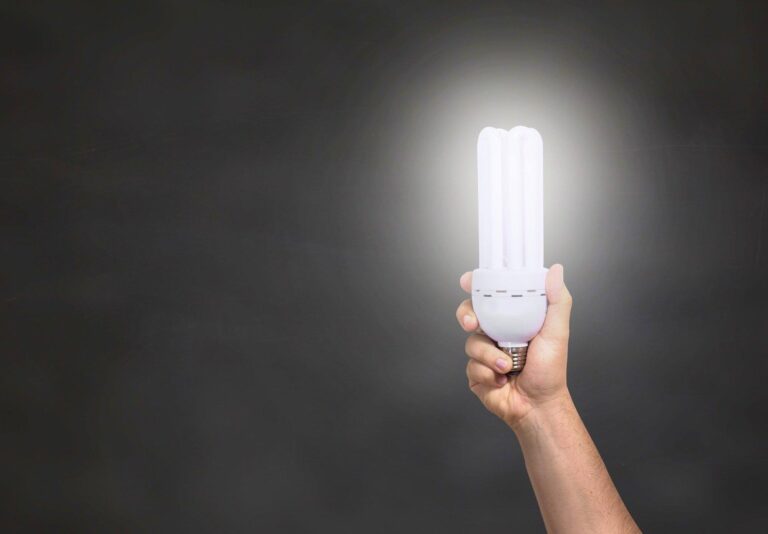
The standard incandescent light bulb dominated homes and businesses. It was reliable, cheap to buy, and gave off a warm glow. Old technology is quickly becoming a relic of the past.
The future of illumination belongs to Light-Emitting Diodes (LEDs). From saving money on energy bills to reducing your environmental footprint, the reasons to upgrade your entire home or commercial space to LED technology are compelling.
Experience Massive Energy Savings
The most immediate change you will see after switching to LEDs will be reflected on your monthly utility bill. Traditional incandescent bulbs heat a filament that glows, a process that wastes roughly 90% of the energy it consumes. LEDs are solid-state lights that convert almost all of their energy directly into illumination.
For businesses or industrial facilities with hundreds of fixtures, the reduction in kilowatt-hours translates to thousands of dollars saved annually. To maximize these savings, source your bulbs from a reputable LED lighting supply provider that gets high-quality, efficient chips. An LED bulb uses up to 75-80% less energy than an incandescent bulb to produce the same amount of light. If you replace a 60-watt incandescent bulb with a 9-watt LED, you are saving 51 watts per hour.
Enjoy an Incredibly Long Lifespan
Changing a light bulb is a minor annoyance. LED lights last longer than any other lighting technology on the market. An incandescent bulb might last for about 1,000 hours, and a CFL (Compact Fluorescent Lamp) for about 8,000 hours. A standard LED bulb is rated to last between 25,000 and 50,000 hours.
If you leave an LED bulb on for eight hours a day, it could last for over 17 years. Longevity reduces the hassle of maintenance and saves you money on replacement bulbs. Durability means lower labor costs for maintenance crews and less disruption to the workspace.
Reduce Environmental Impact
Switching to LEDs is one of the easiest ways to “go green” without changing your lifestyle. LEDs reduce the demand on power plants, which lowers greenhouse gas emissions. If every home in the country swapped just one bulb to LED, the carbon emission reduction would be equivalent to taking millions of cars off the road.
The long lifespan of LEDs means fewer bulbs need to be manufactured, packaged, and shipped. Unlike CFLs, which contain toxic mercury and require special disposal methods to avoid contaminating landfills, LEDs contain no hazardous materials. This makes them safer for your home if broken and much easier to dispose of responsibly at the end of their life.
Benefit from Durable and Safer Construction
Traditional bulbs are made of fragile glass and delicate filaments that break easily. LEDs are built with plastic housings and semiconductor materials. If you drop an LED bulb, it is likely to survive.
This durability extends to temperature resilience. LEDs perform well in cold conditions:
- Freezers
- Outdoor winter settings
- Refrigerated warehouses
LEDs convert almost no energy into heat, and they are safe to touch and do not add to the cooling load of a room. In the summer, incandescent bulbs actually work against your air conditioner, adding heat to the room. LEDs keep the environment cooler.
Light Up Your Life with Sustainable LED Lighting
The switch to LED lighting represents a rare scenario where doing the right thing for your wallet aligns perfectly with doing the right thing for the planet. The longevity, safety, and quality of light are far superior to the outdated technology they replace. Visit our website to achieve a sustainable lifestyle.
