


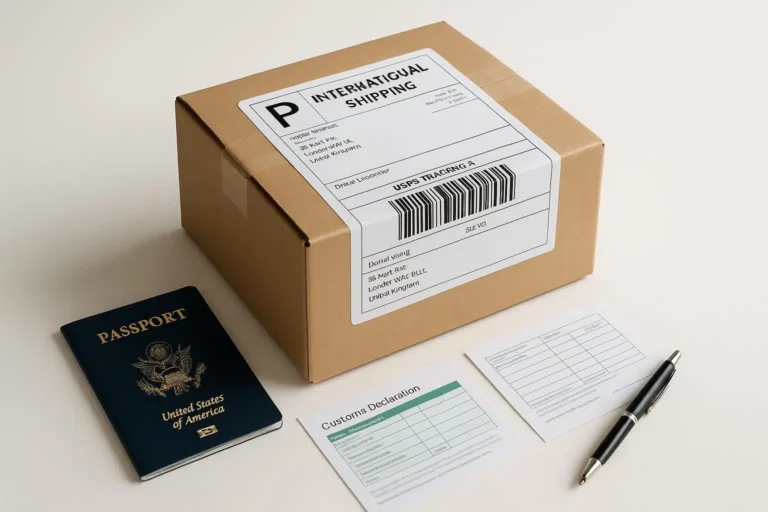
Online shopping has made it possible to discover products from almost anywhere in the world. A collector can find a rare item listed in France, a homeowner can order décor from another country, and a fashion enthusiast can shop from stores that do not operate locally. The product may be only a few clicks away, but getting it delivered across borders can require more planning than placing a domestic order.
International delivery involves several parties, including the seller, the original carrier, customs authorities, and the company responsible for final delivery. Buyers may also need to consider import charges, restricted products, delivery times, and address requirements. Understanding this process before purchasing helps reduce delays, unexpected expenses, and failed deliveries.
Why International Shopping Can Be Complicated
Many online marketplaces allow buyers to browse products listed in other countries, but not every seller offers worldwide delivery. Some merchants ship only within their home country because international orders can involve additional paperwork, higher postage costs, or more complicated returns.
This can be frustrating when an item is unavailable locally or costs significantly more in the buyer’s country. Regional editions of a marketplace may also feature different sellers, prices, product variations, and second-hand listings. Access to those listings expands a shopper’s choices, but a local delivery restriction can prevent the order from being completed.
A parcel-forwarding service can help in this situation. It gives the buyer a delivery address in the seller’s country. The seller sends the parcel to that local address, and the forwarding provider then ships it to the buyer’s international destination. For example, shoppers interested in French marketplace listings can use a service designed for eBay France international shipping when a seller does not deliver directly to their country.
How Parcel Forwarding Works
The process generally begins when the shopper registers with a forwarding provider and receives a local warehouse address. This address is entered as the delivery address during checkout. It is important to copy every part of it correctly, including any customer or suite number used to identify the parcel.
Once the order arrives at the warehouse, the provider records it and connects it to the customer’s account. The customer can then select an available international shipping method, review the estimated cost, complete any required customs information, and request shipment to the final address.
Depending on the provider, additional options may be available. These can include parcel consolidation, repacking, shipment tracking, or a choice between economy and express delivery. The exact services, supported destinations, size limits, and fees should always be checked before placing an order.
Calculate the Full Cost Before Buying
The listed product price is only one part of an international purchase. A realistic budget may need to include:
- Domestic delivery from the seller to the forwarding warehouse
- The forwarding provider’s service or handling fee
- International transportation charges
- Optional insurance, consolidation, or repacking costs
- Customs duties, import taxes, or administrative charges
- Local delivery or remote-area fees, where applicable
International shipping prices are often affected by both actual weight and package dimensions. A lightweight product in a large box may cost more to ship than expected because carriers need to account for the space it occupies. If repacking is available, removing unnecessary outer packaging may lower the charge, but it may not be appropriate for fragile or collectible items.
Buyers should compare the estimated total cost with local alternatives before completing the purchase. A low item price does not always result in a low final cost after delivery and import expenses are added.
Prepare for Customs Requirements
Packages crossing an international border may be reviewed by customs authorities. The buyer may need to provide an accurate description of the goods, their value, and supporting documents such as an invoice or order confirmation. Providing incomplete or inaccurate information can lead to delays, requests for clarification, or other problems.
Import rules vary by destination. A product that can be purchased legally in one country may be restricted, controlled, or prohibited in another. Commonly regulated categories can include food, medicine, cosmetics, batteries, liquids, plants, and certain electronic equipment. Carrier rules may add further limitations, especially for products considered dangerous in air transport.
Before ordering, shoppers should check the destination country’s customs guidance and the forwarding provider’s prohibited-items policy. They should also avoid asking a seller or shipping provider to declare a false value or describe an item incorrectly. Accurate documentation helps the parcel move through the delivery process more smoothly.
Choose the Right Delivery Method
The cheapest shipping option is not automatically the best one. Economy services may be suitable for non-urgent, low-risk purchases, while tracked or express options can be more appropriate for valuable, fragile, or time-sensitive goods.
When comparing methods, consider:
- Estimated transit time
- Tracking availability
- Insurance or compensation limits
- Signature requirements
- Carrier reputation in the destination country
- Procedures for loss, damage, or delayed delivery
Delivery estimates are not guarantees. Customs inspections, severe weather, peak shopping periods, and incomplete address information can all affect arrival times. Anyone purchasing an item for a birthday, holiday, or event should allow extra time rather than relying on the shortest estimate.
Use Consolidation Carefully
Parcel consolidation allows several orders to be combined into one international shipment. This can reduce repeated base shipping and handling charges, making it useful for customers buying from multiple sellers in the same country.
However, consolidation is not always the cheapest or safest option. Combining parcels may create a larger or heavier package, change the available shipping methods, or increase the value of a single shipment. Fragile items may also require special protection. Buyers should compare the cost of separate shipments with the consolidated quote and confirm how products will be packed.
It is also wise to review the provider’s storage period. If one seller is slow to dispatch an order, earlier parcels could remain at the warehouse longer than expected and may incur storage fees.
Reduce the Risk of Delivery Problems
A few simple checks can prevent many common issues. First, confirm that the seller is reputable and that the product description, condition, size, and compatibility are clear. This is particularly important for second-hand goods and electronics.
Next, enter both the warehouse address and final destination exactly as instructed. Keep screenshots or copies of the listing, payment confirmation, seller messages, invoices, tracking numbers, and parcel notifications. These records can be useful if an item is missing, damaged, or different from its description.
When the shipment arrives, inspect the package promptly. Photograph visible damage before opening it and retain the packaging until the contents have been checked. If there is a problem, follow the seller’s, marketplace’s, carrier’s, and forwarding provider’s reporting deadlines.
Understand the Returns Process
Returns are usually more complex for international purchases. A seller may accept a return only at an address in the original country, leaving the buyer responsible for international return postage. Customs paperwork may also be needed to show that the goods are being returned rather than imported as a new purchase.
Before buying, review the seller’s return window, accepted reasons, required condition, and responsibility for postage. For expensive purchases, the potential return cost should be part of the buying decision. If the item is personalized, perishable, or sold as final sale, returning it may not be possible.
Final Thoughts
International delivery gives shoppers access to a much wider range of products, but a successful order depends on preparation. Buyers should confirm that the item can be exported and imported, calculate the complete cost, choose an appropriate shipping method, and keep accurate order records.
Parcel forwarding can provide a practical route when a seller offers only domestic delivery. Used carefully, it connects local marketplace opportunities with international shoppers. The key is to read the service terms, understand customs responsibilities, and evaluate the full journey of the parcel before clicking the purchase button.
