


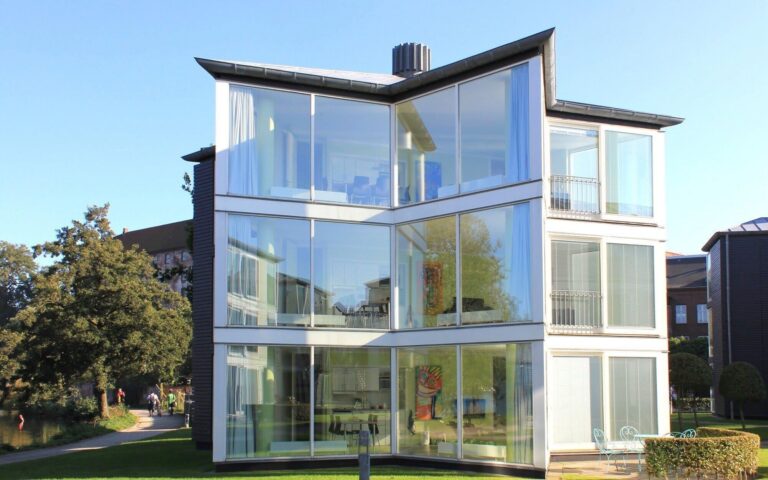
Modern architecture is about more than how a building looks. Buildings also need to be safe, comfortable, strong, and energy-efficient.
USB DAQ systems can help architects and engineers study how buildings perform. DAQ stands for data acquisition. These systems collect information from sensors and send it to a computer.
The data can show changes in movement, heat, sound, moisture, and other conditions. This gives design teams useful facts they can study before, during, and after construction.
Because USB DAQ systems are often small and easy to connect, they can be used in labs and on job sites. They help teams make design choices based on real measurements.
Continue reading to discover everything you need to know!
Monitoring Structural Movement
Buildings can move slightly because of wind, traffic, temperature changes, and daily use. Most of this movement is normal, but too much movement may point to a problem.
USB DAQ systems can collect data from sensors placed on beams, walls, floors, and other parts of a building. These sensors can show how much a structure moves or bends.
Engineers can study this data over time. If the readings change in an unusual way, they can check the area more closely.
This type of monitoring can also help architects understand how different materials and building shapes react to real conditions. The results may lead to safer and stronger designs.
Testing Building Materials
Building materials need to handle pressure, heat, moisture, and daily wear. Concrete, steel, glass, wood, and other materials can all behave in different ways.
USB DAQ systems can be used during material tests. Sensors can record how a material reacts when it is heated, cooled, stretched, pressed, or exposed to moisture.
This makes it easier to compare different materials. A team can see which option is stronger or better suited for a certain part of a building.
The information can also help when testing newer building materials. Real measurements give architects and engineers more than a visual check alone.
Measuring Indoor Conditions
A building should feel comfortable for the people inside it. Temperature, humidity, airflow, and air quality all affect that comfort.
USB DAQ systems can connect to sensors that measure these conditions. Sensors can be placed in different rooms to show how the indoor environment changes during the day.
This can help architects find areas that become too hot, too cold, or too humid. It can also show where airflow is weak.
Teams using advanced USB DAQ technology can gather several types of sensor data in one place. This can make the results easier to compare and understand.
Supporting Energy-Efficient Design
Energy use is an important part of building design. Heating, cooling, lighting, and electrical systems can all add to energy costs.
USB DAQ systems can collect data from temperature sensors, light sensors, and power meters. This shows how much energy a building uses under real conditions.
For example, sensors can show how much heat enters through a window. They can also show how room temperature changes when direct sunlight moves across the building.
Architects can use this information when choosing insulation, windows, shading, and building direction. Better data can support choices that reduce wasted energy.
Studying Wind and Vibration
Tall buildings and large structures can be affected by wind and vibration. These forces can cause movement that may affect comfort or safety.
USB DAQ systems can work with sensors that measure vibration and motion. Engineers can use the results to see how much a structure moves.
This kind of testing may happen on a scale model, during a wind test, or on the finished building. The data can then be compared with what engineers expected during design.
If the results show too much movement, the design may need changes. Supports, materials, or the shape of the building may be adjusted.
Improving Acoustic Design
Sound can have a big effect on how people use a space. Poor sound control can make offices, schools, theaters, and other buildings difficult to use.
USB DAQ systems can work with microphones and sound sensors. These tools can measure noise, echoes, and how sound moves through a room.
Architects can use the data when choosing wall materials, ceiling materials, doors, and room layouts. This can help reduce unwanted noise.
Testing can also show whether a room works well for speech or music. This is useful in places where clear sound is important.
Tracking Moisture Problems
Moisture can damage walls, roofs, floors, and insulation. If it is not found early, it can lead to mold or costly repairs.
USB DAQ systems can connect to moisture and humidity sensors. These sensors can be placed in areas where water problems are more likely to happen.
The data can show changes that may not be easy to see. A rise in moisture may point to a leak, poor drainage, or another issue.
Architects and engineers can use this information during testing or after the building is complete. Finding moisture early can help prevent larger problems later.
Using Real-Time Data During Projects
One useful feature of USB DAQ systems is that they can collect data in real time. This means teams can see results while a test is happening.
If a sensor shows unusual heat, movement, or vibration, the team can look into the problem right away. They do not always need to wait until the test is finished.
Real-time data can also be compared with digital building models. Teams can check whether the actual building performs the way they expected.
This can help improve both current and future projects. Architects can use what they learn to make better choices in later designs.
Using Data to Build Better Spaces
USB DAQ systems can give architects and engineers a clearer view of how buildings work. They can help with structural testing, energy studies, sound control, moisture checks, and indoor comfort.
These systems turn sensor readings into data that teams can study and compare. This makes it easier to spot problems and understand how design choices perform.
As buildings become more advanced, data will likely play a larger role in design. USB DAQ systems can help connect creative ideas with real information about safety, comfort, and long-term building performance.
Check out the rest of our site for more!
