


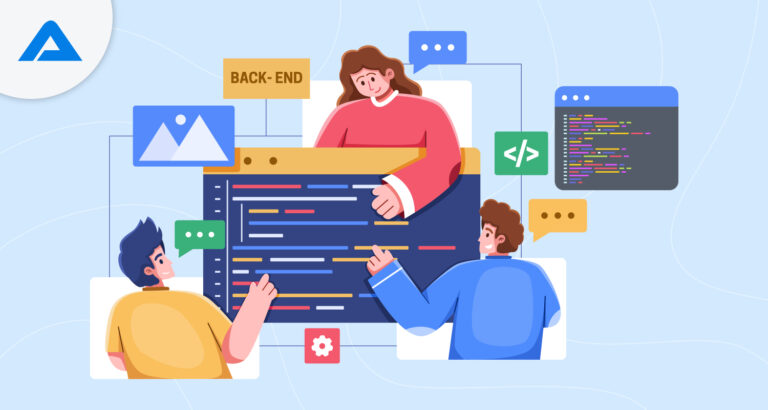
Back-end web development is essential to the operation and success of websites and web applications. As the server-side backbone of digital infrastructure, the back end guarantees that users experience a smooth and efficient interface with the front end. In this article, we will explore the various elements of back-end web development, with a particular focus on optimizing performance and ensuring scalability. For businesses looking to build a custom solution, selecting the right custom website development company is critical to developing a reliable and scalable back-end system.
Understanding the Back-End Structure
The back-end of a web application encompasses the server, databases, and APIs responsible for managing data processing, storage, and security. A well-optimized back-end ensures smooth data flow and keeps the application running at optimal performance. By building a robust and well-organized back-end structure, businesses can offer users a secure, uninterrupted, and scalable experience.
The Role of Databases in Back-End Development
They store and retrieve all the critical data that a website or application needs to function. A robust database design ensures fast data retrieval, high availability, and reliability. When selecting a custom website development company, it is essential to consider their expertise in database management. From relational databases like MySQL to NoSQL databases such as MongoDB, the choice of database architecture can significantly impact the scalability and performance of the website.
Server-Side Languages: Choosing the Right One
Server-side programming languages are the foundation of back-end development. Languages such as Python, Ruby, PHP, Node.js, and Java are used to handle the logic and operations that happen on the server. For instance, Node.js is great for handling real-time applications, while Python is preferred for data-heavy operations. Ensuring that the back-end developers are proficient in the chosen language is vital for long-term performance.
Ensuring Performance with Caching
By reducing the need to query the database every time a request is made, caching improves the overall performance of a web application. For a custom website development company, understanding the right caching techniques for your specific application can lead to significant improvements in speed and efficiency.
Optimizing APIs for Scalability
Application Programming Interfaces (APIs) enable communication between various systems and services, making them integral to modern web applications. The scalability of APIs is vital for maintaining the performance of a web application, by optimizing API endpoints to handle increased loads; businesses can ensure their applications remain efficient even under heavy usage. Implementing best practices such as pagination, rate limiting, and caching can significantly enhance the scalability and responsiveness of APIs, ensuring they meet the demands of growing user bases and evolving data requirements.
Scalable Architecture Design
Scalability is the capacity of a system to manage growing workloads or expand to accommodate increased demand. Scalable back-end architecture is essential for ensuring that a website or web application can handle traffic surges without experiencing slowdowns or downtime. This may involve integrating load balancers, employing horizontal scaling techniques, and utilizing cloud services that allow infrastructure to expand seamlessly in response to changing demands.
Load Balancing for High Traffic
By evenly distributing the load, businesses can ensure that their web applications maintain consistent performance, even during periods of high traffic. Implementing a load balancer allows businesses to handle large amounts of traffic more efficiently, thereby improving the availability and reliability of their web applications. When working with a custom website development company, ensure they understand how to configure and manage load balancing for optimal performance. When partnering with a custom website development company, it is important to verify their expertise in configuring and managing load balancing to optimize overall system performance and efficiency.
Handling Concurrency and Data Consistency
Concurrency in back-end development involves managing multiple tasks or processes simultaneously without causing disruptions or delays. To prevent conflicts and maintain data integrity, developers can implement techniques such as locking mechanisms, transactions, and versioning. By effectively managing concurrency, developers can create systems that perform smoothly under heavy usage while maintaining consistent data.
Database Sharding for Enhanced Performance
This method is highly effective for boosting the performance and scalability of databases, particularly when handling extensive datasets. By distributing the data load across several servers, sharding ensures that no single server is overburdened, allowing for improved efficiency and response times. A custom website development company skilled in database sharding can create a scalable system that adapts to the growing needs of the business, ensuring seamless performance as it expands.
Security Measures in Back-End Development
Security is a critical concern in back-end development, as these systems frequently store sensitive information like user credentials, payment details, and confidential business data. To safeguard this data, it’s essential to implement strong security measures such as encryption, two-factor authentication, and secure coding practices.
Using Micro services for Scalability
This approach allows each service to be optimized for performance and scalability without impacting the entire application. Microservices can be deployed using containers, making them easy to manage and scale. A custom website development company familiar with microservices can help build a flexible, scalable back-end system that can easily adapt to future growth.
Serverless Computing for Cost Efficiency
Serverless computing is a great choice for businesses seeking to minimize infrastructure costs while maintaining high performance and scalability. By utilizing platforms like AWS Lambda or Google Cloud Functions, companies can significantly lower overhead costs and scale their applications quickly and efficiently, allowing them to focus more on development and innovation rather than infrastructure management.
Monitoring and Maintaining Back-End Performance
By utilizing performance monitoring tools like New Relic or Datadog, developers can track system health, pinpoint bottlenecks, and address potential issues before they impact users. Regular updates and optimizations play a key role in maintaining scalability, ensuring that the system can accommodate growing traffic and data demands as the business expands. Proactive monitoring helps improve system reliability and ensures a seamless user experience as the application evolves.
Conclusion
Back-end web development is a complex and dynamic field that requires careful planning, optimization, and scalability to ensure high performance. Working with a custom website development company with expertise in back-end development can help businesses design systems that are both efficient and adaptable to future growth.
For businesses looking to build a robust and scalable web application, partnering with a custom website development company like Devsinc can provide the expertise needed for maintaining long-term performance. You can learn more about their tailored solutions for your website by visiting Devsinc’s website development services. Let Devsinc help you create a strong, future-proof back-end that grows with your business needs.
