


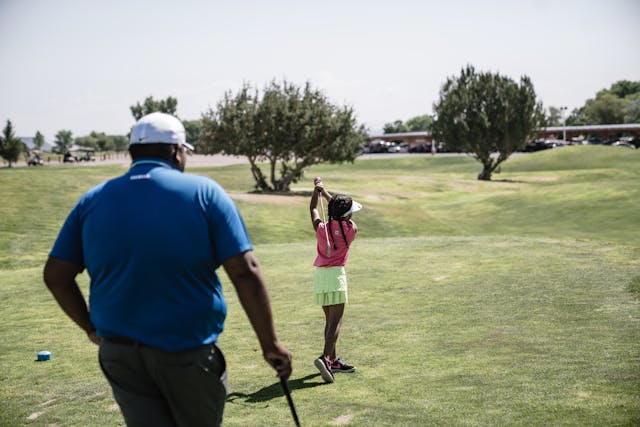
Getting young children interested in golf can be one of the most rewarding experiences for parents and guardians who love sports. While golf has traditionally been viewed as an adult activity, introducing toddlers and preschoolers to the game early can help develop their motor skills, patience, and love for outdoor activities. The key to success? Making the experience fun, age-appropriate, and completely pressure-free. With the right approach and equipment, even the youngest family members can begin their journey toward becoming lifelong golf enthusiasts. Along the way, they’ll build confidence and coordination that benefits them far beyond the golf course.
Starting at the Right Age and Development Stage
Most child development experts agree that children as young as two or three can begin exploring basic golf movements, though formal instruction typically works best around age four or older. At this early stage, forget about techniques or rules, it’s all about play. Toddlers benefit from simply swinging plastic clubs, hitting oversized foam balls, and experiencing that satisfying feeling of making contact. Watch for signs of interest and readiness, like the ability to follow simple instructions and maintain focus for short bursts. Every child develops at their own pace, so comparing your tot to others only creates unnecessary pressure. Let their natural curiosity and enthusiasm guide the way rather than pushing them toward arbitrary milestones.
Choosing Age, Appropriate Equipment for Success
The equipment you choose for teaching toddlers makes an enormous difference in their early golf experiences. Standard adult clubs? Far too heavy, long, and unwieldy for small children. They’ll make success nearly impossible and potentially cause frustration or even injury. Specialized children’s golf clubs are designed with lighter materials, shorter shafts, and smaller grips that actually fit tiny hands properly. The clubs should be proportionate to your child’s height, typically reaching somewhere between their waist and mid-chest when they’re standing upright. Starting with just a putter and maybe a driver or iron is sufficient, since too many club options can overwhelm young learners. When selecting equipment for toddlers who are just beginning to explore the game, parents should research where to find kids golf clubs that are specifically designed for their child’s age and height to ensure proper fit and maximum enjoyment. Foam or plastic practice balls are ideal for indoor and outdoor practice, they eliminate safety concerns while still providing that satisfying feedback when struck properly.
Creating a Fun and Engaging Learning Environment
Where toddlers first experience golf significantly impacts whether they’ll want to come back for more. Setting up a backyard practice area with colorful targets, fun obstacles, and game-like challenges transforms golf from a formal sport into an exciting playground adventure. Think about creating themed putting courses using household items, establishing point systems for hitting specific targets, or incorporating their favorite toys as course decorations. Here’s the thing about attention spans: keep practice sessions brief, typically between ten and twenty minutes, because toddlers tire quickly.
Teaching Basic Skills Through Play-Based Activities
Introducing fundamental golf concepts through games and imaginative play helps toddlers absorb skills naturally without feeling like they’re stuck in a structured lesson. Start with the most basic skill: putting, which requires less coordination than full swings and provides immediate, visible results that build confidence. Create simple games like “feed the cup” where children try to roll balls into holes or containers at varying distances. For developing full swing motion, focus on making contact with the ball rather than worrying about technique, distance, or direction.
Managing Expectations and Building Long-Term Interest
Perhaps the most important aspect of introducing golf to toddlers involves managing parental expectations and maintaining perspective about what you’re really trying to achieve. Young children won’t develop proper swing mechanics, understand course etiquette, or show consistent performance at this age. And you know what? That’s perfectly acceptable. The primary objectives at this stage are fostering positive associations with the sport, developing gross motor skills, and spending quality time together outdoors.
Conclusion
Introducing toddlers to golf requires patience, age-appropriate equipment, and a commitment to keeping the experience joyful rather than instructional. By focusing on play-based learning, celebrating small victories, and managing expectations appropriately, parents can help their youngest children develop positive associations with golf that may last a lifetime. Remember that every child progresses differently, and the goal at this stage is simply to have fun while building basic motor skills and coordination. Whether your tot becomes a future golf champion or simply enjoys occasional family outings to the driving range, these early experiences provide valuable bonding opportunities and introduce healthy outdoor activities.
