


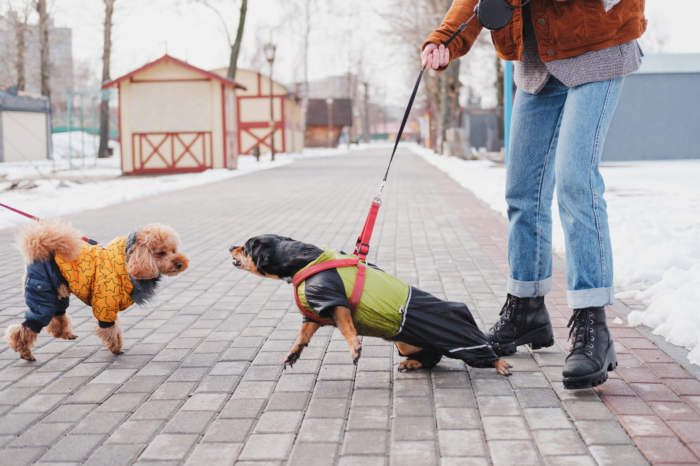
Introduction to Aggressive Behavior in Dogs
Aggression in dogs is a behavioral challenge that requires patience, structure, and a clear understanding of canine psychology. Many owners become concerned when their pets show signs of growling, biting, or sudden defensive reactions in normal situations. These behaviors are not random and usually indicate fear, stress, or lack of proper training. One of the most effective ways to handle this issue is through aggressive dog training, which focuses on correcting behavior while improving communication between dog and owner. This approach is not based on punishment but on guidance and positive reinforcement. Dogs respond best when they feel safe and understood during the learning process. When training is consistent, even deeply rooted aggressive behavior can gradually improve. Successful handling of aggression always begins with identifying the emotional triggers behind it.
Understanding the Root Causes of Aggression
Aggressive behavior in dogs usually develops due to multiple underlying causes rather than a single factor. Fear is one of the most common reasons, especially when dogs are exposed to unfamiliar environments or people without proper socialization. Past trauma or abuse can also lead to defensive reactions in adulthood. In some cases, medical conditions such as pain or hormonal imbalance can contribute to sudden behavioral changes. Aggressive dog training becomes more effective when these root causes are identified early in the process. Without understanding the source of aggression, any training method may only provide temporary improvement. Dogs often use aggression as a form of communication when they feel threatened or insecure. Owners who learn to recognize these emotional triggers can prevent many incidents before they escalate.
Recognizing Early Warning Signs
Before a dog shows full aggression, it usually gives several warning signals that indicate discomfort or stress. These may include stiff posture, growling, raised fur, or avoiding eye contact. Observing these signs carefully allows the owner to intervene before the situation worsens. In structured aggressive dog training, recognizing these early cues is a key step in preventing harmful behavior. Dogs rarely attack without first showing clear signals, which means attentive owners can often avoid escalation. Timing plays an important role because early correction is always more effective than reacting after aggression occurs. Understanding body language helps create a safer environment for both the dog and people around it. Consistent observation also helps in identifying specific triggers that lead to aggressive reactions.
Core Principles of Behavior Modification
Behavior modification in dogs relies heavily on consistency, patience, and positive reinforcement techniques. Rewarding calm and controlled behavior encourages the dog to repeat those actions in the future. Aggressive dog training emphasizes building trust rather than creating fear through punishment. Controlled exposure to triggers allows the dog to gradually adapt without feeling overwhelmed. Timing of rewards is extremely important because delayed reinforcement can confuse the dog and reduce learning effectiveness. Training sessions should remain short and focused to maintain the dog’s attention and reduce stress. Over time, these principles help reshape how the dog responds to previously triggering situations. A structured and calm approach ensures long-term behavioral improvement.
Step-by-Step Training Approach
A structured approach to behavior correction begins with establishing a calm and controlled environment. The first stage involves building basic obedience skills such as sitting, staying, and responding to commands. These foundational skills are essential for communication during aggressive dog training. Once basic obedience is achieved, controlled exposure to triggers is introduced gradually. For example, a dog that reacts aggressively to strangers is slowly exposed at a safe distance where it remains calm. As progress is made, the distance is reduced while maintaining positive reinforcement. Consistency in training ensures that the dog understands expected behavior in different situations. Each small success builds confidence and reduces fear-based reactions over time.
Managing Environment for Better Results
The environment plays a major role in shaping a dog’s behavior and emotional stability. A stressful or unpredictable environment can increase anxiety and trigger aggression. Therefore, controlling exposure to known triggers is an important part of aggressive dog training. Safe spaces should be created where the dog can relax without external pressure. Predictable routines such as regular feeding and walking schedules help reduce stress levels. Gradual reintroduction of triggers allows the dog to adapt in a controlled and safe manner. Crate training, when used properly, can also provide a secure space for relaxation. Environmental stability helps reinforce positive behavior patterns and reduces confusion in the dog’s mind.
Common Mistakes to Avoid
Many dog owners unintentionally make mistakes that worsen aggressive behavior instead of improving it. One of the biggest mistakes is using punishment or physical correction as a training method. Such approaches often increase fear and lead to more aggressive reactions. Inconsistent training routines also confuse the dog and slow down progress significantly. Aggressive dog training requires steady reinforcement of positive behavior without sudden changes in approach. Another common issue is exposing the dog to too many triggers too quickly, which can overwhelm it emotionally. Owners may also expect fast results, but behavior modification takes time and patience. Avoiding these mistakes is essential for achieving long-term success in managing aggression.
Long-Term Behavior Maintenance
Once improvement is achieved, maintaining progress becomes just as important as the initial training process. Dogs require continuous reinforcement of positive behavior to prevent regression. Regular practice of obedience commands helps maintain clear communication between dog and owner. Socialization should continue throughout the dog’s life to ensure balanced behavior. Aggressive dog training does not end after initial success but becomes part of an ongoing routine. Monitoring behavior changes helps detect early signs of returning aggression. If any warning signs reappear, corrective action should be taken immediately. A consistent and structured approach ensures long-term stability in behavior.
Conclusion and Final Thoughts
Managing aggressive behavior in dogs is a gradual process that requires understanding, patience, and consistency. It is not about controlling the dog through fear but about guiding it toward balanced emotional responses. Aggressive dog training focuses on building trust and improving communication between dogs and their owners. When applied correctly, it can transform even severe behavioral issues into manageable patterns. The key lies in identifying triggers, reinforcing positive actions, and maintaining a calm environment. Over time, dogs learn to respond more confidently and less reactively to stressful situations. With dedication and proper methods, a stronger and more peaceful bond can be developed between dog and owner.
