


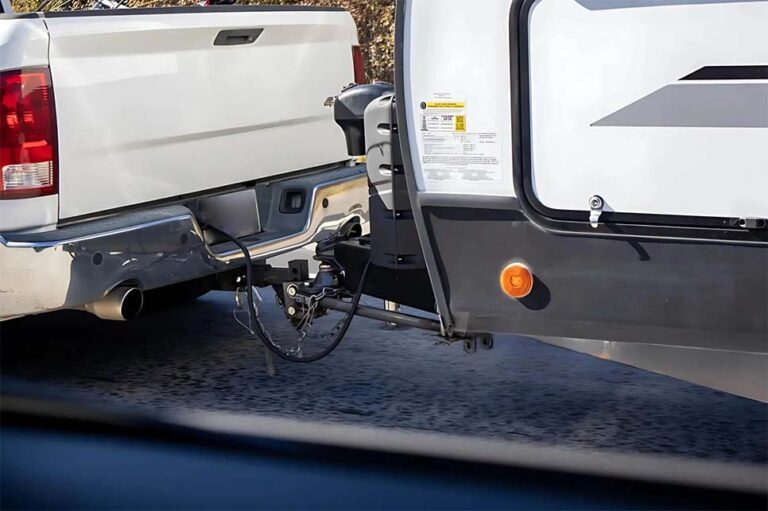
When it comes to towing heavy trailers, boats, campers, or construction equipment, choosing the right hitch is not just about convenience — it is about safety, vehicle stability, and long-term truck performance. Many truck owners invest thousands of dollars into their towing setup but overlook one critical component: the trailer hitch itself. A poor-quality or underrated hitch can lead to trailer sway, unstable braking, frame stress, and even dangerous highway accidents.
Modern pickup trucks are designed for powerful towing applications, but your towing performance depends heavily on matching the correct hitch class with your truck’s towing capacity and trailer weight. Hitch classes are divided based on Gross Trailer Weight (GTW) and Tongue Weight (TW), which determine how much load the hitch can safely handle.
If you regularly tow heavy loads, investing in premium-quality heavy duty trailer hitches for trucks is essential for both safety and performance. A properly selected hitch improves handling, reduces trailer sway, enhances weight distribution, and protects your truck’s suspension system during long hauls.
Understanding Trailer Hitch Classes
Before buying a trailer hitch, it is important to understand the different hitch classes available in the market.
Class III Hitches
Class III hitches are among the most popular choices for pickup truck owners. These hitches generally support up to 8,000 lbs GTW and are commonly used for:
- Utility trailers
- Medium-sized campers
- Boat trailers
- Small equipment haulers
They usually feature a 2-inch receiver and provide an excellent balance between affordability and towing strength.
Class IV Hitches
Class IV hitches are designed for more demanding towing applications. They typically support between 10,000 and 12,000 lbs GTW and are ideal for:
- Large RVs
- Construction equipment
- Multi-horse trailers
- Heavy cargo trailers
These hitches use reinforced mounting points and thicker steel construction for added durability.
Class V Hitches
Class V hitches are built for commercial-grade towing and extreme heavy-duty use. These hitches can support up to 20,000 lbs GTW depending on the configuration and are commonly installed on heavy-duty trucks like the Ford F-350, Ram 3500, and Silverado HD series.
If you frequently tow machinery, livestock trailers, or industrial loads, Class V is often the safest option.
Why Hitch Capacity Matters
One of the biggest towing mistakes truck owners make is focusing only on engine power while ignoring hitch limitations. The towing system is only as strong as its weakest component.
For example, even if your truck is rated to tow 12,000 lbs, using an underrated hitch can create serious safety risks. Overloading a hitch increases stress on the truck frame, suspension, and braking system.
Key Terms Every Truck Owner Should Know
Gross Trailer Weight (GTW)
GTW refers to the fully loaded weight of the trailer, including cargo, fluids, and equipment.
Tongue Weight (TW)
Tongue weight is the downward force applied to the hitch ball by the trailer. Experts recommend maintaining tongue weight between 10% and 15% of the total trailer weight to reduce trailer sway and maintain safe handling.
Too little tongue weight can cause dangerous fishtailing, while excessive tongue weight can overload the rear axle and reduce steering control.
Weight Distribution Hitches Explained
For heavy towing applications, many truck owners use weight-distribution hitches (WDH). These systems distribute trailer weight more evenly across all axles, improving vehicle balance and steering response.
Weight-distribution systems are especially beneficial when towing:
- Travel trailers
- Large campers
- Enclosed cargo trailers
- Heavy utility trailers
However, a WDH does not increase your truck’s towing capacity. Instead, it improves stability and handling under load.
Importance of Proper Trailer Loading
Even the best hitch cannot compensate for poor trailer loading practices. Uneven cargo distribution is one of the leading causes of trailer sway accidents.
Experienced truck owners recommend:
- Keeping heavier cargo near the trailer axle
- Maintaining 60% of weight toward the front half of the trailer
- Securing cargo tightly to prevent movement during transport
- Avoiding rear-heavy loading configurations
Improper tongue weight remains one of the most common towing safety issues among truck owners.
Choosing the Right Receiver Size
Receiver size is another important factor when purchasing a hitch. Common receiver sizes include:
- 1.25-inch receiver
- 2-inch receiver
- 2.5-inch receiver
- 3-inch receiver
Most heavy-duty truck setups use either a 2-inch or 2.5-inch receiver. Always ensure that your ball mount and towing accessories match the receiver size exactly.
Rust Resistance and Build Quality
Heavy-duty hitches are exposed to rain, road salt, mud, and extreme weather conditions. Choosing a hitch with corrosion-resistant coatings significantly improves longevity.
Look for features such as:
- Powder-coated steel construction
- Rust-resistant finishes
- Reinforced welds
- Precision-engineered mounting brackets
Premium-quality towing equipment lasts longer and performs more reliably under extreme stress conditions.
Towing Safety Tips for Truck Owners
Safe towing involves more than simply attaching a trailer to your truck. Before every trip, inspect the entire towing setup carefully.
Essential Safety Checklist
- Inspect hitch mounting bolts
- Check trailer brake functionality
- Verify safety chain connections
- Test trailer lights and wiring
- Confirm proper tire pressure
- Secure all cargo properly
Many experienced haulers also recommend following the “80% Rule,” which means keeping your actual trailer weight below 80% of your truck’s maximum towing capacity for improved safety and reduced drivetrain stress.
Truck Bed Protection During Towing
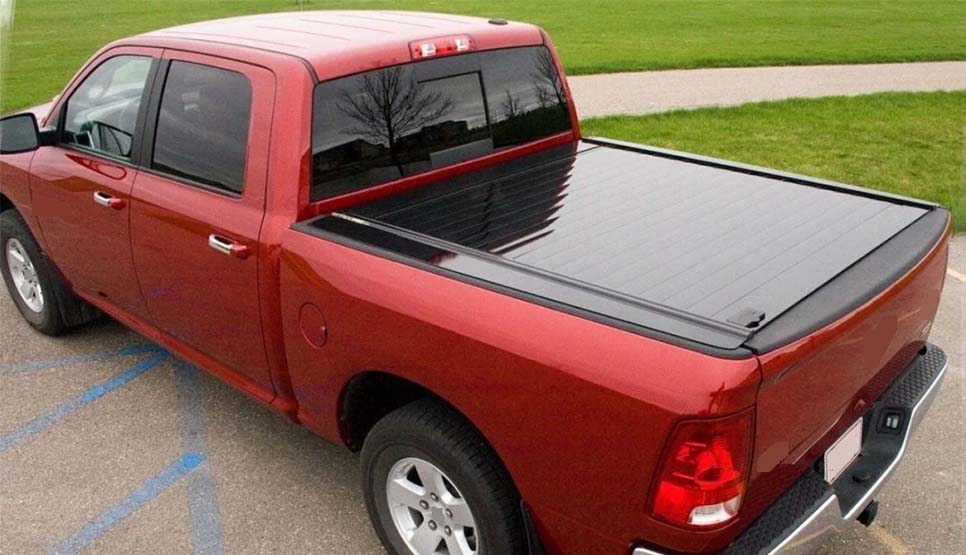
Heavy towing often means hauling additional cargo, tools, or equipment in your truck bed. Protecting your cargo from rain, dust, and theft is equally important for professional truck owners and outdoor enthusiasts.
Installing a durable truck cover bed solution helps secure valuable gear while improving truck aerodynamics and maintaining a cleaner truck bed during long-distance towing trips.
Modern tonneau covers also add an extra layer of security and weather protection, making them a practical upgrade for truck owners who frequently tow trailers or transport equipment.
Common Mistakes to Avoid While Towing
Many towing accidents happen because drivers ignore basic towing principles. Avoiding these mistakes can improve both safety and towing performance:
Overloading the Trailer
Never exceed your truck’s maximum towing capacity or hitch rating. Overloading creates excessive strain on the engine, transmission, and suspension.
Ignoring Trailer Brakes
Heavy trailers should always use independent braking systems. Trailer brakes reduce stopping distance and improve control during emergency braking.
Poor Tire Maintenance
Underinflated tires increase the risk of blowouts and unstable handling. Always check tire pressure before towing.
Driving Too Fast
High-speed towing increases trailer sway and reduces reaction time. Maintaining moderate highway speeds significantly improves stability.
Final Thoughts
Choosing the right trailer hitch is one of the most important decisions any truck owner can make. The ideal hitch should match your truck’s towing capacity, trailer weight, receiver size, and intended use. Investing in high-quality heavy duty trailer hitches for trucks not only improves towing performance but also protects your truck, cargo, and passengers on the road.
From understanding hitch classes and tongue weight to selecting proper towing accessories and maintaining safe loading practices, every detail matters when towing heavy loads. Pairing your towing setup with a reliable truck cover bed solution can further enhance truck functionality, cargo security, and overall driving experience.
A well-planned towing setup delivers better control, safer highway driving, reduced trailer sway, and greater peace of mind for every journey.
