


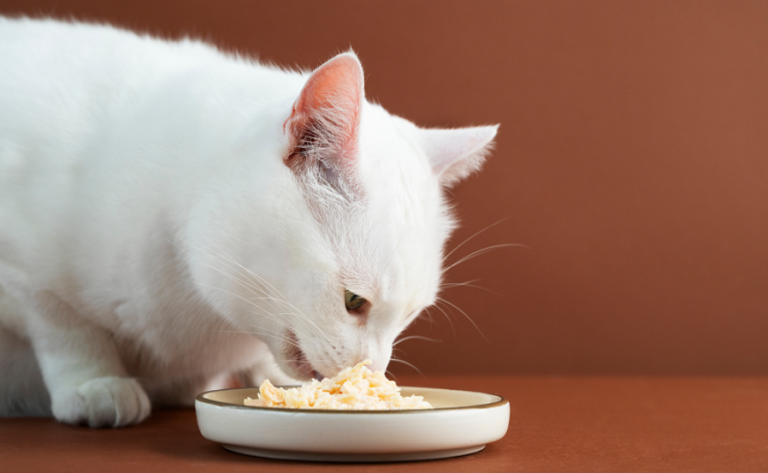
While cats are notorious for being fussy, transitioning from processed kibble to gently cooked meals offers significant health benefits, including improved digestion and hydration. Because sudden dietary changes can upset a cat’s stomach, a strategic, patient, and step-by-step approach to gently cooked cat food is essential to guide your feline companion toward a more vibrant, healthy diet without unnecessary stress.
Whisker Wisdom: Why Gently Cooked Meals Win
Traditional high-heat processing methods often strip away vital vitamins, natural enzymes, and essential moisture from commercial pet foods. In contrast, gentle cooking uses low heat to eliminate harmful pathogens whilst retaining natural flavours, aroma, and delicate nutrients. This method delivers the wholesome advantages of a fresh, species-appropriate diet without the food safety risks associated with raw feeding.
Cats rely entirely on animal protein to thrive, and their digestive systems absorb lightly cooked meat with remarkable efficiency. Pet owners who make the switch frequently report noticeable improvements in their cats’ health, including glossier coats, higher energy levels, smaller and less odourous litter tray visits, and improved weight management. When you serve high-quality meals, you invest directly in your companion’s long-term vitality and happiness.
The Patience Playbook: Mastering the Step-by-Step Transition
Cats naturally fear unfamiliar food, a survival instinct known as neophobia. Forcing a sudden diet change on day one usually backfires. Instead, adopt a gradual ten-day transition plan to help your cat’s digestive tract adapt smoothly:
- Days 1 to 3 – Serve 75% of your cat’s current food mixed with 25% of the new cooked meal.
- Days 4 to 6 – Offer a balanced 50/50 split of the old food and the new cooked recipe in the same bowl.
- Days 7 to 9 – Shift the ratio to 25% of the old food and 75% of the new cooked meal.
- Day 10 Onward – Celebrate! You can now serve 100% fresh, cooked meals with complete confidence.
Always serve meals at room temperature or slightly warmed. Cats prefer prey-temperature food, so warming the meal gently in a warm water bath releases tempting aromas that stir their natural appetite.
Tempting Fussy Whiskers: Creative Ways to Spark Appetite
Even with a gradual plan, a cautious cat might turn up their nose at a new texture. Do not panic or give up too quickly! You can use smart, delicious toppers to coax a reluctant cat into taking those crucial first bites.
Crushing high-protein, healthy cat treats over the bowl creates an irresistible scent barrier that encourages curiosity. Sprinkling a little freeze-dried meat or pouring warm bone broth over the dish also works wonders. Additionally, establish set feeding times rather than leaving food out all day. A mild appetite makes any cat far more receptive to trying fresh flavours, whereas free-feeding kibble keeps them constantly grazed and picky.
Monitoring the Magic: What to Watch During the Switch
As you guide your cat through this nutritional upgrade, pay close attention to their daily habits, weight, and general mood. A healthy transition shows up in several subtle ways:
- Stool Quality – Expect smaller, firmer, and less smelly stools as their body absorbs more nutrients.
- Hydration Levels – Fresh meals contain natural moisture, which supports healthy kidney function and urinary tract health.
- Energy and Coat – Look for enhanced playfulness and a noticeably softer, shinier fur coat within a few weeks.
If you notice mild digestive upset, simply step back to the previous ratio for two extra days before moving forward again. Always keep fresh water available, even though fresh food naturally boosts their daily fluid intake.
A Simple Switch for Lifelong Health
Upgrading your cat’s daily diet to gently cooked cat food stands as one of the best choices you can make for their long-term wellness. By taking a slow, steady approach and rewarding progress with healthy cat treats, you transform mealtime from a struggle into an exciting daily highlight. Your patience will reward you with a healthier, happier, and purring companion who thrives on every single bite.
Frequently Asked Questions
Can I mix cooked food with dry kibble during the transition?
Yes, you can certainly mix them during the transition phase. However, try to move toward complete fresh meals over time so your cat enjoys maximum digestive benefits and optimal moisture intake.
How do I store freshly prepared cat meals safely?
Store individual portions in the fridge for up to three days, or freeze them in portion-controlled containers for longer storage. Always thaw frozen portions overnight in the fridge before gently warming them to serve.
Can I still give my cat treats between meals?
Of course! Just ensure you choose nutritious, healthy cat treats made from single-source meats, and remember to account for those calories within your cat’s daily allowance to maintain an ideal weight.
Contact Furry’s Kitchen to discover our wholesome, chef-prepared recipes and order your cat’s first fresh meal pack!
