


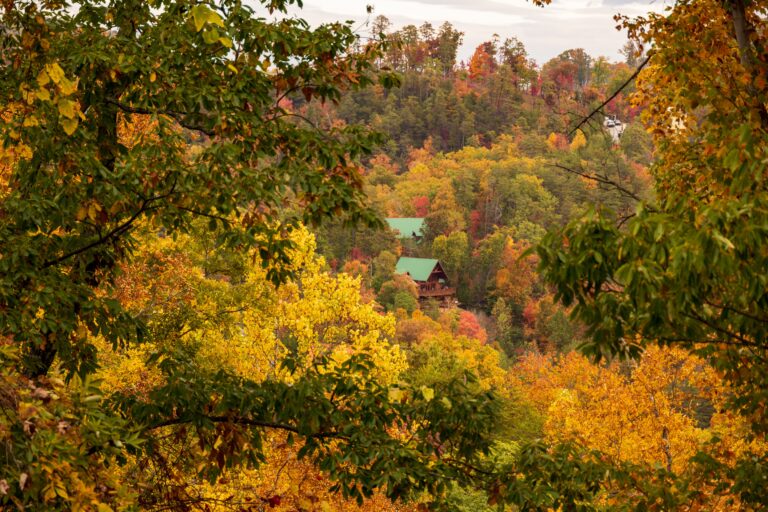
There is a certain kind of trip that only works in the mountains. The days are unhurried, the evenings stretch out, and nobody feels like they are racing a clock. Pigeon Forge has built itself around that idea. Visitors come for the ridgelines and the open air, and they stay because the pace suits them once they settle into it.
Getting there with a plan that holds up takes a little forethought, though most of it comes down to decisions made before anyone packs a bag.
Getting the Foundation of the Trip Right
Travel dates usually get locked in well before anyone has a clear picture of how the days will actually go. Choosing cabin rentals under time pressure is how a party ends up crowded into something that was never sized for the group that showed up. A safer route is booking through an operator that handles mountain properties year-round and knows precisely what sits inside each one.
Eagles Ridge Resort offers Pigeon Forge cabin rentals in sizes running from one bedroom to nine, so a couple traveling alone and a party of twenty are both accounted for without anyone having to compromise on the arrangement.
Building a Schedule With Room to Breathe
The usual planning error is treating a vacation as a list of obligations. A group arrives intending to cover eight things in five days, and by the third morning half of them are hoping something falls through. Choosing one main activity per day and leaving the rest loose works far better. That single fixed point gives the day a shape without locking anyone into an hour-by-hour march.
Sorting plans by energy rather than by clock time also helps. Longer outings and full days on foot belong near the front of the trip, while everyone still has fresh legs. The gentler ideas, the ones that mostly involve sitting somewhere pleasant, land better toward the end. Groups that sequence a trip this way tend to drive home rested rather than needing time off to recover from their time off.
Traveling With a Larger Group
Numbers change everything. A restaurant that seats four in ten minutes will quote an hour for twelve. Parking that suits one car turns fiddly with three. None of this causes trouble when it is anticipated, and all of it causes trouble when it is not.
The cleanest fix is dividing the group on purpose instead of letting it fracture by accident. Two smaller parties heading different directions in the morning and reuniting after lunch will both enjoy themselves more than one large group debating every choice. It also pays to have one person loosely holding the organizer role, not running things, just keeping track of what time everybody agreed to meet.
Multi-family trips run smoother when meals are sorted early. Naming who covers which dinner, and marking which nights are eaten out, heads off the daily standoff where nobody wants to decide and everyone is already hungry.
Making Room for the Outdoors
The Great Smoky Mountains are the reason most cars point this way in the first place. Trails span everything from short and flat to seriously demanding, and the trick is matching the route to the least experienced walker in the party. A modest path everyone finishes happy beats an ambitious one that leaves half the group grumbling at the summit.
Conditions shift quickly at elevation, so layers serve better than any forecast. A morning cool enough for a jacket often turns warm enough by noon to carry it instead. Water, solid shoes, and a small pack handle nearly every situation that comes up. Heading out early carries its own reward, since roads and trailheads are at their most open during the first hours of light.
Fishing, easy walking loops, and scenic drives give a group options on days when a long climb is off the table. Those quieter outings frequently end up being the ones people bring up months later.
Traveling Through Different Seasons
Each part of the calendar hands this area a different personality. Spring returns green to the hillsides and delivers a long run of mild afternoons. Summer is the liveliest stretch, with late sunsets and everything operating at capacity. Fall repaints the ridges entirely and draws visitors who make the drive for that alone. Winter is the quietest window and the easiest one for anyone hoping to have the high country largely to themselves.
Reserving early is the strongest move in any season, and it counts double in autumn. The main road stays within comfortable reach from most of the surrounding area, so moving around is simple whichever month a group picks. Scheduling outings toward the earlier part of the day keeps the driving smooth and leaves the afternoon wide open.
Keeping the Budget Under Control
Trip costs become manageable the moment they are written down. The categories rarely surprise anyone. Getting there and back, food, admission for whatever the group wants to see, and a small reserve for the things nobody predicted. Putting those on paper beforehand removes most of the friction that surfaces later when somebody has to settle accounts.
Preparing a few meals at the property makes the largest single difference, and it tends to become a good evening in its own right. Groups that square up as they go, rather than saving it all for the last morning, sidestep the awkward arithmetic that can sour a departure day.
Coming Home With Something Worth Keeping
The trips that stay with people are seldom the ones with the fullest schedules. They are the ones where the group had enough unstructured time to actually talk, where somebody caught a photo nobody posed for, and where the ride home was quiet because everyone was tired in the good way.
Aiming the planning at that result, rather than at maximum coverage, is what separates a trip that worked from one that simply took place. The rest is logistics, and logistics get easy once the intention is settled.
