


The Overlooked Hero of Your Home
Most homeowners spend hours obsessing over kitchen countertops, flooring finishes, and bathroom fixtures. The roof? It barely gets a second thought—until something goes wrong. That’s the nature of a great roof. When it’s doing its job, you forget it exists. When it’s not, everything else becomes irrelevant.
The truth is, your roof is one of the hardest-working parts of your home. It shields your family from rain, wind, hail, and extreme temperatures 365 days a year. It regulates indoor temperatures, keeps moisture out of your walls and ceilings, and plays a larger role in your home’s structural integrity than most people realize. Yet despite all of this, roofing often remains the last thing on a homeowner’s maintenance list.
That’s worth changing—and here’s why.
What a Damaged Roof Really Costs You
A minor roof issue rarely stays minor. A small crack or a few missing shingles might seem harmless on a dry afternoon, but the moment heavy rain hits, water finds its way in. From there, the damage cascades: wet insulation, warped wood, mold growth, and eventually, compromised ceilings and walls.
The financial impact is significant. Water damage repairs caused by roof leaks can run into the thousands of dollars—far more than the cost of addressing a roof problem early. Beyond the monetary hit, there’s the disruption to daily life, the stress of emergency repairs, and potential health risks associated with mold exposure.
Waiting isn’t a savings strategy. It’s a gamble.
The Signs Your Roof Is Trying to Tell You Something
Roofs don’t fail overnight. Long before a leak appears indoors, your roof is usually sending signals. The challenge is knowing what to look for.
Curling or buckling shingles are often the first visible indicator that a roof is nearing the end of its lifespan. Shingles that curl upward at the edges or buckle in the middle no longer lie flat against the roof deck, making them vulnerable to wind damage and water infiltration.
Granule loss is another red flag. Asphalt shingles are coated in granules that protect them from UV rays and weather. When those granules start shedding—often visible in gutters or downspouts—the shingles begin to deteriorate rapidly.
Sagging areas suggest structural issues beneath the surface. If any section of your roofline appears to dip or sag, this could indicate damaged decking or compromised support structures underneath.
Daylight visible in the attic is never a good sign. If light can get in, so can water.
Dark streaks or moss growth may seem cosmetic, but they indicate moisture retention and biological growth that can accelerate shingle breakdown over time.
Catching these signs early is the difference between a manageable repair and a full replacement.
Why Professional Roofing Services Make All the Difference
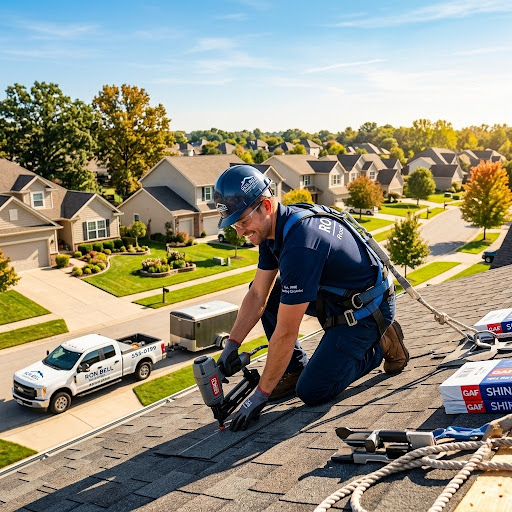
There’s a version of roofing that involves a ladder, a bundle of shingles from a hardware store, and a free weekend. There’s also a version that involves trained professionals, proper safety equipment, quality materials, and years of hands-on experience.
The results are not the same.
Professional roofing isn’t just about fixing what’s broken—it’s about understanding why it broke, addressing the root cause, and ensuring the repair or replacement holds up for decades to come. Experienced roofers assess ventilation, flashing, underlayment, and drainage, all of which play critical roles in long-term roof performance. They know which materials suit specific climates, roof pitches, and structural requirements. And they back their work with warranties that protect you well into the future.
When you hire a professional roofing service, you’re not paying for labor alone. You’re paying for expertise, accountability, and peace of mind.
Roofing Materials: What Works Best for Your Home?
One of the most valuable things a roofing professional brings to the table is material knowledge. The market is full of options, each with its own set of advantages.
Asphalt shingles remain the most widely used roofing material in the United States, and for good reason. They’re cost-effective, durable, available in a wide range of colors, and relatively easy to install and repair. A quality asphalt shingle roof typically lasts between 20 and 30 years.
Metal roofing has surged in popularity over the past decade. It offers exceptional longevity—often 40 to 70 years—along with excellent resistance to wind, fire, and impact. Metal roofs also reflect solar heat, which can meaningfully reduce cooling costs in warmer months.
Architectural shingles, also called dimensional or laminate shingles, are a premium version of traditional asphalt. They’re thicker, more durable, and designed to mimic the look of wood shake or slate, giving homes a more upscale appearance without the higher cost of natural materials.
Flat or low-slope roofing requires different materials entirely—typically TPO, EPDM, or modified bitumen membranes. These systems are common on commercial buildings but also appear on modern residential homes with contemporary architecture.
Choosing the right material isn’t just an aesthetic decision. It’s a long-term investment in your property’s performance and value.
Protecting Your Home Starts at the Top
Ron Bell Roofing LLC is a trusted name for homeowners who want reliable craftsmanship, honest assessments, and roofing solutions built to last through every season and storm your home will face for years to come. Whether you’re dealing with storm damage, aging shingles, or you simply want a professional eye on your roof before small issues become costly ones, working with experienced local roofers means your home gets the attention it deserves.
Don’t wait for a leak to remind you that your roof exists. A proactive approach—annual inspections, prompt repairs, and quality materials—keeps small problems from becoming expensive disasters. Your home is one of the biggest investments you’ll ever make. The roof protecting it deserves the same level of care.
Schedule a professional roofing inspection today. Your future self will thank you.
