


The demand for short-form video has never been higher. Whether you’re a solo creator posting daily on TikTok, a startup building product demos, or a marketing team producing social campaigns across multiple channels, creating engaging video content consistently is a challenge.
That’s where Grok Imagine Video and the broader category of Grok AI Video Generator tools are attracting attention. By transforming text prompts or still images into animated clips with synchronized audio, these systems dramatically reduce the time between an idea and a publish-ready video.
If you’re looking to experiment with this workflow, you can explore Grok Imagine Video, which enables text-to-video and image-to-video generation while combining visuals and audio in a single creation process.
What Is Grok Imagine Video?
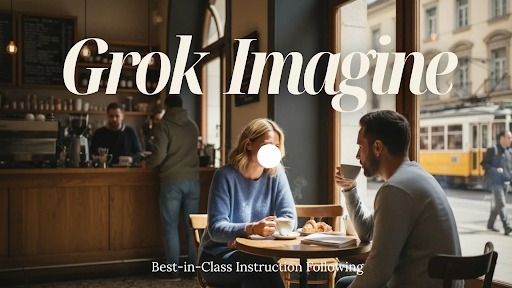
Grok Imagine Video is an AI-powered video generation approach that converts natural language descriptions—or even static images—into short video sequences. Instead of manually editing timelines, animating scenes, or sourcing sound effects, users describe what they want to see, and the model generates motion, composition, and synchronized audio together.
This shift represents a major evolution from traditional video editing. Rather than spending hours assembling clips, creators can iterate through ideas quickly by refining prompts and regenerating results.
For many teams, the workflow becomes less about editing software and more about creative direction.
Why AI Video Generation Is Becoming Mainstream
Video consumption continues to grow across social platforms, e-commerce, education, and digital advertising. At the same time, audiences expect frequent updates and visually engaging content.
Producing videos through conventional methods often involves:
- Storyboarding
- Filming
- Recording narration
- Editing footage
- Licensing music
- Synchronizing audio
- Rendering final exports
An AI video generator can compress many of these steps into a much shorter production cycle, allowing creators to test more concepts with fewer resources.
For businesses operating on tight schedules, that speed can translate into faster marketing experiments and more opportunities to discover what resonates with audiences.
From Prompt to Finished Clip
One of the biggest advantages of a modern Grok AI Video Generator is instruction following.
Suppose a travel blogger wants a cinematic scene:
“A drone shot gliding over snow-covered mountains at sunrise while soft orchestral music plays and mist rolls through the valley.”
Instead of assembling stock footage and editing transitions manually, the creator writes the prompt and lets the model generate the sequence.
The more descriptive the prompt—including lighting, camera movement, atmosphere, and subject behavior—the closer the generated output typically aligns with the intended vision.
This makes prompt writing an increasingly valuable creative skill.
Image-to-Video Opens New Possibilities
Many creators already have high-quality images but lack the resources to produce full video content.
Image-to-video generation solves this problem by animating existing visuals while preserving the original composition and identity of the subject.
For example:
- An online store can animate product photography for social ads.
- A photographer can add subtle movement to portraits.
- A real estate agency can create dynamic property showcases from still images.
- Designers can transform concept art into promotional clips.
Instead of replacing existing assets, AI extends their usefulness across additional formats.
A Real-World Marketing Scenario
Consider a small software company preparing for a product launch.
The marketing team needs:
- A teaser for social media
- A website hero video
- Several paid advertising variations
- Regional versions for different audiences
Using traditional production methods could require multiple filming days and significant editing resources.
With AI-assisted generation, the team drafts prompts describing different scenes, camera angles, and messaging styles. They rapidly produce several candidate videos, compare engagement performance, and refine the strongest versions before launch.
This iterative process encourages experimentation because generating another variation is significantly easier than organizing another production shoot.
Why Native Audio Matters
Historically, AI video creation often required a second workflow for music, narration, or ambient sound.
Newer systems generate synchronized audio alongside visuals, reducing post-production work and helping maintain consistency between movement and sound design.
Imagine creating a coffee shop scene. Rather than separately sourcing café ambience and syncing cups, conversations, and background music, the generated clip includes audio designed to match the visual environment.
For creators publishing frequently, eliminating these extra editing steps can save substantial time over the course of a month.
Practical Use Cases Across Industries
Content Creators
Influencers and YouTubers can quickly visualize storytelling ideas, experiment with hooks, and produce supplementary footage for educational or entertainment videos.
E-commerce Brands
Retail businesses can transform static product images into animated advertisements without organizing expensive commercial shoots.
Education
Teachers and online instructors can produce visual explainers that make complex concepts easier to understand while updating lessons more efficiently.
Agencies
Creative agencies often test multiple campaign directions before client approval. AI-generated drafts accelerate brainstorming and presentation.
Startups
Early-stage companies frequently operate with limited budgets. AI video generation enables polished promotional content without hiring large production teams.
Tips for Better Results
Experienced users often discover that output quality depends heavily on prompt quality.
Some best practices include:
- Specify camera movements clearly.
- Describe lighting conditions and mood.
- Mention subject actions in sequence.
- Include environmental details.
- Keep identity and composition descriptions consistent across iterations.
Detailed prompts generally produce more predictable and repeatable results than short, generic requests.
Choosing the Right Workflow
When evaluating an AI video solution, consider more than visual quality alone.
Look for capabilities such as:
- Accurate instruction following
- Consistent character appearance
- Text-to-video support
- Image-to-video animation
- Native synchronized audio
- Fast generation times
- Flexible creative control
If your projects involve both prompt-based generation and animated still images, exploring a dedicated Grok AI Video Generator workflow can simplify production and reduce reliance on multiple disconnected tools.
Looking Ahead
The next generation of AI video tools is making content creation more accessible than ever. Instead of requiring specialized editing expertise or extensive production resources, creators can communicate ideas through language and rapidly transform them into compelling visual stories.
As models continue improving in motion realism, instruction accuracy, and audio synchronization, workflows centered around Grok Imagine Video are likely to become a standard part of digital content production.
For creators, educators, entrepreneurs, and marketers alike, the ability to generate videos directly from descriptions is no longer a futuristic concept—it is becoming a practical way to create more content, iterate faster, and bring ideas to life with fewer barriers.
