


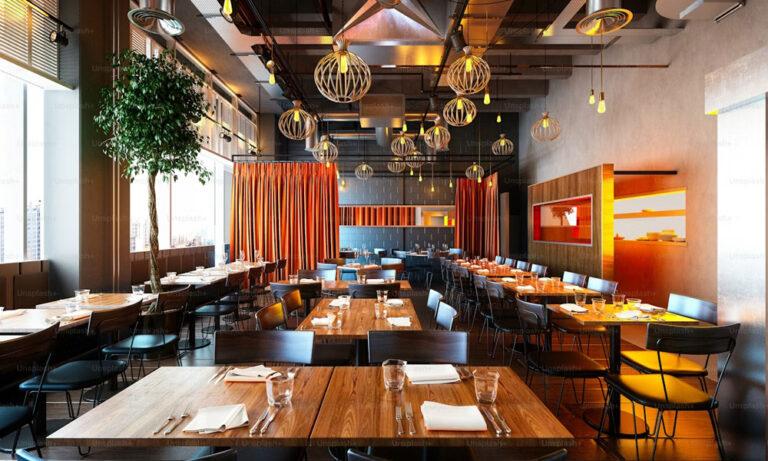
A restaurant and a bar can both look like strong businesses from the outside. One has a full dining room, a kitchen in motion, delivery orders coming in, and families waiting for tables. The other has crowded stools, fast drink sales, music, games on screens, and customers who may stay for hours. Both can bring in serious revenue. Both can also drain money faster than a new owner expects.
The real question is not which one brings in more cash at the register. The question is which one leaves more money after rent, payroll, inventory, insurance, repairs, licensing, taxes, and slow nights. That is where the comparison becomes more interesting.
A bar often has better margins on the products it sells. Alcohol usually costs less to serve than cooked food, spoils more slowly, and can sell at a strong markup. A restaurant usually has more ways to earn money, but it also has more costs. Food goes bad. Kitchens need more labor. Menus can become too large. Equipment breaks. Delivery apps take a cut. A busy restaurant can still struggle if its costs are not controlled.
The answer depends on the model, location, owner, and customer base. A well-run bar may be more profitable than a traditional full-service restaurant. A small fast-casual restaurant may beat a poorly managed bar. A hybrid model, such as a neighborhood restaurant with a strong drinks program, may offer the best balance. The most profitable choice is not always “restaurant” or “bar.” It is the business that sells high-margin items, controls labor, keeps rent in line, and gives customers a reason to come back.
The Profit Is Not in the Crowd, It Is in the Leftover Dollar
A crowded room does not always mean a profitable business. Many first-time owners confuse sales with profit. A restaurant can sell $80,000 in a month and still lose money if rent, payroll, food costs, repairs, and debt payments eat the revenue. A bar can sell less and keep more, especially if drink costs and staffing stay under control.
Restaurants carry heavy operating pressure. A full-service restaurant needs cooks, servers, dishwashers, hosts, managers, cleaners, suppliers, refrigeration, ovens, prep space, storage, health compliance, and constant purchasing. Every meal has a cost before it reaches the table. Meat, seafood, produce, dairy, bread, oil, packaging, and sauces all move with market prices. If a chef prices a dish badly, the restaurant can lose money every time the dish sells.
Bars have a different cost structure. A bottle of liquor may produce many servings. Beer and wine are easier to store than fresh fish or lettuce. Cocktails can carry strong gross margins when recipes are measured properly. A bar may need fewer people on the floor than a full restaurant during the same sales window. It may also need less kitchen equipment if food is limited or outsourced.
That does not make bars easy. Bars deal with licensing, alcohol liability, insurance, security, noise, fake IDs, over-serving rules, and late-night management. A restaurant can lose money slowly through waste and payroll. A bar can lose money fast through a legal issue, liquor license problem, fight, theft, or one bad incident involving an intoxicated customer.
Profit lives in the leftover dollar. The business that keeps more of each sale wins. In many cases, bars have the edge on product margin. Restaurants have the edge on broader demand. The owner has to decide which risk is easier to manage.
Why Restaurants Still Attract Owners
Restaurants remain attractive because people need to eat, and Americans spend heavily on food away from home. Restaurants serve many occasions, not just weekend nights. A restaurant can make money from breakfast, lunch, dinner, takeout, catering, delivery, private events, office orders, and holiday meals. A bar depends more heavily on certain hours, especially evenings and weekends.
A restaurant can also fit into more neighborhoods. Families may visit a pizza place, taco shop, burger restaurant, breakfast diner, or fast-casual bowl concept several times a month. Office workers may buy lunch from the same restaurant every week. Parents may order takeout after work. Local companies may place catering orders. These habits can create steadier cash flow.
The best restaurant models today tend to be simple. A short menu can protect margins better than a long one. A restaurant that uses the same ingredients across several dishes can reduce waste. A taco shop can use the same meats, tortillas, sauces, and toppings in many combinations. A chicken concept can build bowls, sandwiches, salads, and family meals from a tight prep system. A pizza shop can turn flour, cheese, sauce, and toppings into a high-margin product when rent and labor are reasonable.
Fast-casual restaurants often have an advantage over traditional full-service restaurants. Customers order at the counter or through kiosks. Labor costs can be lower. Tables turn faster. The menu is easier to train. The business can sell takeout without hurting the dining room. A small space can produce strong revenue if the location has foot traffic, parking, or strong delivery demand.
Full-service restaurants face a tougher climb. Servers, hosts, bussers, managers, and kitchen teams must work together through slow and busy periods. Guests stay longer. Menu mistakes create waste. Service problems lead to refunds or bad reviews. Labor laws, tip rules, scheduling, and training add complexity. A restaurant may need a full team even when Tuesday night sales are weak.
Food costs also create pressure. A steakhouse may sell expensive meals, but meat costs can swing sharply. A seafood restaurant may charge high prices, but spoilage risk is serious. A casual diner may look cheaper to operate, but breakfast rushes require speed, labor, and tight purchasing. A restaurant owner cannot rely on sales volume alone. The menu must be built around margin, prep efficiency, and customer demand.
Restaurants can be very profitable, but the strongest ones usually follow a disciplined formula. They keep the menu tight. They know the exact cost of every dish. They schedule labor based on real demand. They avoid oversized spaces. They train staff to reduce errors. They monitor waste daily. They do not chase every trend.
A restaurant is not the weaker business by default. It is just less forgiving.
Why Bars Often Look Better on Paper
Bars can appear more profitable because drinks usually carry stronger margins than food. A beer, glass of wine, or cocktail often costs far less to produce than a plated meal. The labor behind one drink can be quick, especially when the bar has a clear system, measured pours, simple recipes, and experienced bartenders.
A cocktail program can be especially profitable when managed well. A drink with a few ounces of liquor, juice, syrup, garnish, and ice may sell for many times its ingredient cost. Draft beer can also perform well if the bar controls waste and keeps lines clean. Wine by the glass can be profitable when the pricing is correct and the bottle turns fast enough.
Bars also benefit from social behavior. Customers do not always visit a bar only for the product. They come for atmosphere, sports, music, dates, trivia nights, birthdays, after-work drinks, or a regular seat where the bartender knows them. A bar can become a habit. That habit can create repeat sales without a complicated menu.
A bar can also earn a large share of weekly revenue in a short period. Friday and Saturday nights may produce huge sales. Game days, holidays, concerts, and local events can bring crowds. A sports bar near a stadium or college campus can make more in a few peak hours than a small restaurant makes across an entire weekday.
The problem is that those peak hours can hide weak economics. If the bar is quiet Sunday through Wednesday, weekend sales must carry the entire business. Rent does not care that Monday was slow. Insurance, utilities, cleaning, security, and loan payments still arrive. A bar that looks packed for eight hours a week may still struggle if the rest of the schedule is empty.
Bars also face tighter legal and social risk. Alcohol changes customer behavior. Staff must know when to stop serving someone. Security may be needed. Door policies must be clear. Fake IDs can create trouble. Noise complaints can hurt the business. A liquor license can be expensive, limited, or difficult to transfer. One serious incident can damage reputation and finances.
The bar owner also has to watch for theft and over-pouring. Alcohol inventory is easy to lose if there are no controls. Free drinks, heavy pours, unrecorded shots, and staff drinking can destroy margin. A bartender who over-pours to earn tips may make customers happy but hurt the business. Measured systems, inventory counts, and clear rules matter.
A bar can be more profitable than a restaurant, but only if the owner treats it as a controlled operation, not a party with a cash register.
The Hidden Costs That Decide the Winner
The hidden costs are where the restaurant-versus-bar question becomes real. Most owners expect rent, payroll, and inventory. Fewer owners fully understand how many small leaks can weaken the business.
Restaurants leak money through food waste. A large menu may require many ingredients that do not sell evenly. Fresh produce wilts. Meat expires. Sauces get tossed. Prep cooks make too much. A sudden rainy night leaves the kitchen with inventory that may not survive until the next rush. Every wasted ingredient lowers profit.
Restaurants also lose money through poor menu design. A dish may be popular but unprofitable. A burger with premium beef, expensive cheese, bacon, house sauce, fries, and heavy packaging may look like a bestseller but keep little profit. A pasta dish may have a lower menu price but stronger margin. Owners need to study contribution margin, not just item popularity.
Labor is another major issue. A restaurant needs prep before service and cleaning after service. The kitchen may work for hours before the first customer arrives. A slow lunch can still require cooks, servers, and managers. Staff turnover adds training costs. Mistakes create refunds, remakes, and stress.
Delivery can help restaurants, but it can also weaken profit. Third-party apps charge fees. Packaging costs add up. Food quality may suffer in transit. A customer who would have picked up directly may order through an app instead, reducing margin. Restaurants need to decide whether delivery brings new revenue or simply makes existing orders less profitable.
Bars lose money in different ways. Over-pouring is one of the biggest. If a cocktail recipe calls for 1.5 ounces and bartenders pour 2 ounces, the bar gives away a large share of inventory across hundreds of drinks. That extra half-ounce may feel small at the moment. Across a month, it can cost thousands.
Theft can also be a problem. Bottles are portable. Cash transactions can be messy. Staff may give free drinks to friends. Without inventory checks and POS discipline, the owner may not notice the loss until margins collapse.
Insurance can be heavier for bars because alcohol creates liability. Security can add another cost. A late-night bar may need door staff, ID checks, cameras, crowd control, and cleaning after messy nights. Repairs can also rise when customers damage bathrooms, furniture, glassware, walls, or outdoor areas.
Licensing can delay opening and raise startup costs. A restaurant may need health permits, but a bar also needs liquor approvals. In some cities, licenses are limited, expensive, or tied to zoning. A great bar concept means little if the owner cannot get the right license at the right price.
Both businesses also face rent risk. A restaurant or bar can survive high food or drink costs for a short time, but bad rent can kill the business slowly. Owners often fall in love with visible locations and underestimate the monthly pressure. A smaller space with lower rent can produce better profit than a larger space with more seats but higher fixed costs.
The most dangerous hidden cost is owner confusion. Some owners do not know their numbers. They check the bank account but not the margins. They see strong weekends and ignore weak weekdays. They add menu items without costing them. They hire based on stress rather than data. They spend on décor before fixing purchasing. Profit disappears when the owner manages by feeling alone.
Location Can Completely Change the Answer
A restaurant may beat a bar in one city and lose to it in another. Location shapes customer habits, rent, wages, licensing, and competition.
In a dense downtown area, a bar can perform well if nearby offices, hotels, venues, and apartments create evening demand. After-work drinks, business travel, concerts, and sports can drive sales. A cocktail bar in a high-income district may charge premium prices. A rooftop bar can earn strong revenue during warm months. A sports bar near an arena can fill quickly on game days.
But dense cities also raise rent and labor costs. A bar in New York, Chicago, Los Angeles, Boston, or San Francisco may need very high sales just to cover fixed expenses. Competition is intense. Customers have many options. Noise complaints and local regulations can limit hours. A bar that closes earlier than planned because of neighborhood pressure may lose the peak hours it needs.
Suburban locations can favor restaurants. Families want dinner, takeout, weekend brunch, and casual meals. Parking matters. Schools, offices, housing developments, and shopping centers can support steady demand. A fast-casual restaurant or small full-service concept in a growing suburb may produce reliable sales without the nightlife risks of a bar.
A bar in the suburbs can work, but it needs a clear reason to exist. A generic bar with average food and no identity may struggle. A sports bar with strong local team loyalty, trivia nights, wings, burgers, and private event space may do well. A wine bar in an affluent suburb may work if it attracts couples, small groups, and events. A neighborhood brewery can perform well when it becomes a community gathering spot.
College towns create a special case. Bars near campuses can be highly profitable during the school year. Students, alumni weekends, game days, and nightlife habits can drive heavy volume. The risks include seasonality, underage drinking enforcement, crowd control, and summer slowdowns. A restaurant in a college town may earn steadier sales if it serves lunch, late-night food, delivery, and affordable meals.
Tourist markets add another layer. In Las Vegas, Miami, Nashville, New Orleans, Orlando, and parts of Texas and Arizona, both restaurants and bars can do well. Tourist traffic can support high spending. At the same time, rent, staffing, and competition can be brutal. A bar may benefit from nightlife demand, while a restaurant may benefit from families, convention visitors, and groups.
State laws matter too. Some states and cities make liquor licensing easier. Others make it expensive or restrictive. Some areas require food sales for certain alcohol licenses. Some limit happy hours or operating hours. A bar owner must study local law before choosing a location. A restaurant owner must study health department requirements, grease trap rules, ventilation needs, and parking requirements.
Location also affects furniture, layout, and customer flow. A restaurant needs seating that supports table turns, comfort, cleaning, and durability. Owners may compare booths, bar stools, patio furniture, and commercial dining chairs before opening because layout decisions affect capacity and service speed. A bar needs a room that moves people toward the counter, keeps staff safe, and prevents bottlenecks.
The winner depends on the local market. A bar may dominate in an entertainment district. A restaurant may win in a family suburb. A hybrid may beat both in a walkable neighborhood with lunch, dinner, and drinks demand.
The Hybrid Model May Be the Smartest Choice
The most profitable answer today may not be a pure restaurant or a pure bar. The stronger model may be a restaurant-bar hybrid that keeps the food menu simple and earns a strong margin from drinks.
A restaurant with a serious beverage program can improve profit without becoming a full nightlife business. Cocktails, wine, beer, mocktails, and specialty drinks can raise average check size. A customer who orders dinner and two drinks is more profitable than a customer who orders only an entrée. A good drinks program can help cover the high labor and rent costs of food service.
A bar with a small food menu can also improve revenue. Food keeps customers in the building longer. It may help with licensing in some areas. It can attract people who do not want to drink on an empty stomach. It can bring in early evening traffic before the late-night crowd arrives. The key is simplicity. Wings, tacos, sliders, flatbreads, fries, sandwiches, and shared plates can work if the kitchen is small and efficient.
The best hybrid concepts do not try to do everything. They avoid huge menus. They build food around repeatable prep. They price drinks carefully. They create reasons to visit during more than one part of the week. A sports bar can use game nights, lunch specials, happy hour, and private events. A neighborhood restaurant can use brunch, dinner, wine nights, and catering. A brewery can use food trucks, events, and taproom sales.
The hybrid model also spreads risk. If dinner traffic slows, bar sales may help. If late-night drinking drops, food can bring in families and local workers. If delivery demand rises, the kitchen can produce takeout. If alcohol sales are strong, the business has higher-margin revenue to support the lower-margin food side.
The danger is complexity. A hybrid can become the worst of both worlds if the owner builds a full restaurant and a full bar without enough systems. Too many food items, too many cocktails, too much staff, and too much space can crush profit. The goal is not to add everything. The goal is to add the right high-margin pieces.
A good hybrid business knows its role. It might be a taco bar with strong margaritas. It might be a pizza place with craft beer. It might be a brunch restaurant with profitable cocktails. It might be a wine bar with small plates. It might be a sports bar where food quality is good enough to bring families before the late crowd arrives.
The model works when food and drinks support each other instead of competing for attention.
Which Business Is More Profitable?
A bar usually has stronger profit potential per sale. Alcohol margins beat most food margins. Inventory can last longer. Labor can be lighter. A small bar with steady demand, careful pours, good inventory controls, and reasonable rent can keep more money from each dollar of sales than a traditional full-service restaurant.
A restaurant usually has broader revenue potential. It can serve more customer occasions and operate across more dayparts. It can attract families, workers, delivery customers, catering clients, and regular local diners. It may be easier to build into a stable community business. But the margins are often thinner, and the kitchen adds constant pressure.
For a first-time owner, the restaurant may feel safer because it fits more customer routines. In reality, it can be harder to manage because of food cost, labor, waste, equipment, and menu complexity. A bar may feel riskier because of alcohol laws and late-night issues. In reality, it may be financially stronger if the owner understands controls, licensing, security, and local demand.
The best choice depends on the owner’s strengths. An owner who understands nightlife, alcohol controls, crowd management, and local licensing may do better with a bar. An owner who understands food systems, kitchen labor, sourcing, and repeat dining may do better with a restaurant. An owner who wants both margin and stability may build a focused hybrid.
The weakest choice is a large full-service restaurant with high rent, a huge menu, weak bar sales, and no clear customer base. That model carries heavy costs and little room for error. The second weakest choice is a bar that depends only on weekend crowds but has no plan for slow nights, security, inventory control, or compliance.
The stronger choices are more specific. A fast-casual restaurant with a short menu, low waste, steady takeout, and affordable rent can be a strong business. A cocktail bar with measured pours, premium pricing, and loyal local traffic can be highly profitable. A pizza-and-beer concept can combine low food cost with strong drink sales. A brunch restaurant with mimosas and tight kitchen systems can do well in the right neighborhood. A sports bar with food, events, and disciplined inventory can outperform many full-service restaurants.
So, which is more profitable in the US today? In pure margin terms, a bar often wins. In long-term stability, a disciplined restaurant can compete. In practical business terms, the best answer is often a focused restaurant-bar hybrid, short menu, strong drinks, controlled labor, reasonable rent, and a room that earns money on more than one night a week.
